April 2016 in “Journal of Investigative Dermatology” Mutations in the TSPEAR gene cause a new form of ectodermal dysplasia affecting hair and tooth development.
January 2013 in “International Journal of Biological Sciences” This study demonstrates that the CRISPR-Cas9 system can be used to successfully edit genes in large mammals, such as Cashmere goats, creating a valuable model for research on EDAR gene-related phenotypes.
 7 citations
,
November 2017 in “Cureus”
7 citations
,
November 2017 in “Cureus” This report introduces a new potential sign, paired ear creases of the helix, which may have relevance to cardiovascular disease similar to diagonal ear lobe creases, in a case of coronary artery disease.
 8 citations
,
February 2010 in “Journal für Kardiologie (Krause & Pachernegg GmbH)”
8 citations
,
February 2010 in “Journal für Kardiologie (Krause & Pachernegg GmbH)” This study developed a detailed classification system for functional androgenization in females that may enhance diagnosis and personalized treatment by identifying individual dysfunctions.
 July 2018 in “Nasza Dermatologia Online”
 The authors report two clinical cases of scarring alopecia in a mother and daughter, suggesting a potential link between frontal fibrosing alopecia and ulerythema ophryogenes.
1 citations
,
November 2023 in “Anais Brasileiros de Dermatologia” This study suggests that the ADIPOQ gene polymorphism may influence the risk of alopecia areata in Egyptians, with adiponectin levels potentially serving as a marker for hair loss severity.
 April 2021 in “Journal of Investigative Dermatology”
 This study developed a transgenic mouse model to explore androgenetic alopecia, finding that inducible COX2 expression led to sebaceous gland changes and hair miniaturization, with reversible effects upon reducing COX2.
 July 2022 in “Research Square (Research Square)”
 This study found that Egyptian women with frontal fibrosing alopecia had lower serum PPARγ levels and a higher occurrence of PPARG gene polymorphism compared to healthy controls, suggesting a potential role for PPARγ in the condition's development.
 6 citations
,
January 2017 in “Annals of Dermatology”
6 citations
,
January 2017 in “Annals of Dermatology” This report describes a rare case of sarcoidosis occurring on an old blepharoplasty scar in a leukemia patient, suggesting the need for a skin biopsy when firm papules appear on a scar.
May 2015 in “Cancer research” This study found that persistent significant alopecia was a common side effect following FEC-docetaxel chemotherapy, with a 33.4% global incidence, highlighting the need for awareness and potential preventative measures like cooling caps during treatment.
 July 2026 in “Journal of Ovarian Research”
 In this review, researchers provided a comprehensive analysis of anti-androgen therapies for polyendocrine metabolic ovarian syndrome (PMOS/PCOS), examining their efficacy and safety while proposing a phenotype-guided management framework and highlighting research gaps, such as long-term cardiovascular safety and predictive biomarkers.
This study found that iron metabolism, particularly serum iron and ferritin, was significantly linked to the severity of obstructive sleep apnea in individuals with androgenetic alopecia, with stronger associations observed in women.
 April 2024 in “European Journal of Dermatology”
 This study suggests that the PPP2R3C gene may confer susceptibility to psoriatic arthritis and psoriasis vulgaris in Chinese patients, with additional possible associations involving IL-23R, ERN1, IFIH1, and KIF3A genes.
August 2020 in “European Journal of Dermatology” This study identified three EDAR gene variants potentially linked to hypohidrotic ectodermal dysplasia in three Pakistani families, which could aid in genetic counseling for similar cases.
1 citations
,
November 2024 in “Expert Opinion on Drug Safety” In this retrospective pharmacovigilance study, researchers analyzed over 7,900 adverse event reports related to aromatase inhibitors, identifying common side effects and toxicological mechanisms to highlight potential safety concerns in treating postmenopausal hormone receptor-positive breast cancer.
 7 citations
,
May 2019 in “European Journal of Human Genetics”
7 citations
,
May 2019 in “European Journal of Human Genetics” This study describes three new cases of MCOPS6 with BMP4 variants, noting expanded phenotypic variability but no clinically apparent microphthalmia in these individuals, which is commonly reported in the disorder.
2 citations
,
March 2025 in “JAMA Dermatology” This review evaluates the quality of alopecia areata-specific patient-reported outcome measures and suggests that more high-quality validation studies are needed to enhance their reliability and validity.
January 2022 in “Voennaâ medicina” This case study describes a successful treatment of androgenetic alopecia in a 34-year-old man through a comprehensive program involving low-dose minoxidil, without finasteride, resulting in significant hair growth improvements.
 3 citations
,
April 2019 in “Journal of Dermatological Treatment”
3 citations
,
April 2019 in “Journal of Dermatological Treatment” This review discusses the use of phosphodiesterase inhibitors for alopecia, finding promising preliminary results with topical caffeine for androgenetic alopecia and telogen effluvium, but limited success in alopecia areata.
April 2025 in “Experimental Eye Research” In this study, researchers characterized the retinal structure and function of the Oatrhg mouse model of gyrate atrophy, finding localized atrophy without significant retina-wide functional impact, suggesting the model may be useful for testing new treatments using multimodal retinal imaging.
 January 2024 in “The journal of investigative dermatology/Journal of investigative dermatology”
 In this study, researchers found that AP-2α and AP-2β are critical for maintaining epidermal homeostasis in adult skin, with their combined loss leading to severe skin and hair abnormalities and early skin inflammation due to impaired keratinocyte differentiation.
24 citations
,
February 2011 in “The American journal of pathology” This study found that AIRE, a usually nuclear protein, is expressed in the cytoplasm of human epidermal and follicular keratinocytes and associates with the intermediate filament protein cytokeratin 17, potentially impacting ectodermal abnormalities in APECED syndrome.
1 citations
,
August 2019 in “Journal of Investigative Dermatology” PRDX5 enzyme may contribute to alopecia areata by affecting oxidative stress and autoimmunity.
 13 citations
,
February 2007 in “British Journal of Dermatology”
13 citations
,
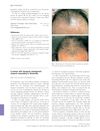
February 2007 in “British Journal of Dermatology” EF and PXE not closely related.
 1 citations
,
September 2022 in “Nepal journal of dermatology, venereology & leprology”
1 citations
,
September 2022 in “Nepal journal of dermatology, venereology & leprology” This review examines the use of apremilast for non-FDA-approved dermatological conditions, noting varied efficacy but a favorable safety profile compared to conventional treatments.
 January 2026 in “Biomedicines”
 This study identified increased expression of ACAA1 and its regulation by hsa-miR-1343-3p, linking androgenetic alopecia to lipid metabolism pathways, particularly through PPAR signaling, in scalp tissues.
 March 2010 in “The Journal of Urology”
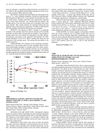
 This study found that men with early-onset androgenetic alopecia had larger prostate volumes and lower urinary flow rates compared to those without the condition, suggesting a potential link between AGA and urinary symptoms.
 4 citations
,
January 2016 in “Annals of Dermatology”
4 citations
,
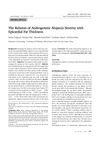
January 2016 in “Annals of Dermatology” This study found that men with more advanced androgenetic alopecia had increased epicardial fat thickness, suggesting a potential link to coronary risk.
 January 2023 in “Editora Enterprising eBooks”
 This article presents a collection of interdisciplinary studies by Brazilian researchers that address various societal issues to contribute to the nation's social and scientific development; it reports no new results.