 1 citations
,
January 2020 in “Elsevier eBooks”
1 citations
,
January 2020 in “Elsevier eBooks” Forensic medicine is crucial for justice and needs continuous innovation and technology integration.
 January 2026 in “Journal of Cosmetics Dermatological Sciences and Applications”
 This review reports that while platelet-rich plasma shows promise as a safe treatment for various types of hair loss, variability in studies limits definitive conclusions on its effectiveness.
 November 2025 in “PARIPEX-INDIAN JOURNAL OF RESEARCH”
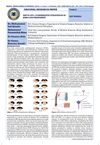
 GFC is more effective than PRP for treating hair loss.
This study synthesizes current evidence showing that menopause involves a predictable endocrine transition, while male ageing features a more variable testosterone decline, necessitating a nuanced clinical approach to diagnosis and treatment.
 August 2023 in “JOJ dermatology & cosmetics”
 This literature review found that antibiotics are a major cause of cutaneous adverse drug reactions, which represent up to 60% of all adverse drug reactions, and emphasized the need for clinicians to better understand and manage these reactions.
 October 2022 in “Journal of experimental and clinical medicine”
 This review covers the potential of repurposing existing drugs for treating COVID-19 and updates on virus- and host-targeting drug candidates, reporting no new experimental results.
 April 2022 in “Research Square (Research Square)”
 This study established the R-7 dermal papilla cell line, which retained essential characteristics of primary cells without undergoing malignant transformation, suggesting its potential for future hair research.
 June 2021 in “bioRxiv (Cold Spring Harbor Laboratory)”
 This study discovered that the gene Tfap2b identifies a melanocyte stem cell population in zebrafish, essential for regenerating melanocytes with multi-fate potential into adult pigment cells.
 27 citations
,
August 2018 in “Frontiers in Plant Science”
27 citations
,
August 2018 in “Frontiers in Plant Science” This study found that root hair growth is influenced by a complex interplay of auxin, inorganic phosphate, and transcription factors RSL2/RSL4, with reactive oxygen species playing a key role in this regulation.
 5 citations
,
May 2023 in “European Journal of Human Genetics”
5 citations
,
May 2023 in “European Journal of Human Genetics” This study found that mutations in the TULP3 gene are associated with progressive degeneration of the liver, kidney, and heart in adults, highlighting the importance of early detection and management.
 5 citations
,
January 2012 in “Biological & Pharmaceutical Bulletin”
5 citations
,
January 2012 in “Biological & Pharmaceutical Bulletin” This study found that extract of Hura crepitans inhibited androgen-accelerated NT-4 activity and ameliorated the retardation of hair regrowth in dihydrotestosterone-implanted mice, suggesting a potential role for NT-4 inhibitors in AGA.
 1 citations
,
June 2012 in “Springer eBooks”
1 citations
,
June 2012 in “Springer eBooks” This article discusses the potential of acupuncture as a complementary or alternative therapy for PCOS, highlighting experimental evidence of its positive effects on reproductive and metabolic function, but reports no new clinical results.
 December 2024 in “JURNAL ANALIS LABORATORIUM MEDIK”
 This study observed that wound healing occurred faster in healthy mice compared to diabetic mice, and diabetic wounds displayed persistent inflammatory cell presence when examined microscopically, highlighting delayed healing dynamics in diabetic conditions.
 January 2018 in “bioRxiv (Cold Spring Harbor Laboratory)”
 This study explored how root hairs integrate opposing growth signals but did not report new conclusive findings on the activation of known molecular players in polar growth.
October 2024 in “International Journal of Pharmaceutics” This study aimed to develop a new transdermal patch for treating androgenetic alopecia using finasteride, combined with chemical permeation enhancers to improve drug delivery through the skin, but results of pharmacokinetics and pharmacodynamics evaluations are not reported.
August 2022 in “Aesthetic Plastic Surgery” This study found that alopecia significantly lowers patients' quality of life compared to laypeople's perception, with hair transplantation improving quality of life more for male patients than commonly perceived.
60 citations
,
January 2021 in “BMC Genomics” This study mapped genomic copy number variation in Chinese fine-wool sheep, identifying genes involved in sensory perception, nutrient metabolism, growth, and development, and highlighting significant selection on the RXFP2 gene.
31 citations
,
August 2023 in “Cell Genomics” This study produced a high-coverage genome of the Tyrolean Iceman, revealing no Steppe-related ancestry but significant Anatolian-farmer-related ancestry, and found genetic markers associated with darker skin, male-pattern baldness, type 2 diabetes, and obesity, aligning with observations of his mummified body.
20 citations
,
July 2006 in “Annals of Anatomy - Anatomischer Anzeiger” The 15th-century Korean mummy's hair was well-preserved due to a protective lime-soil coating.
 January 2026 in “Frontiers in Nutrition”
 This study found that various dietary supplements positively impacted hair density and were well-tolerated among patients with androgenetic alopecia, suggesting they may be useful adjuncts or alternatives to standard treatments.
 August 2025 in “Aesthetic Plastic Surgery”
 This review explores the mechanisms, current products, challenges, and innovative approaches related to cosmetics for hair loss prevention and growth promotion, emphasizing the need for multidisciplinary cooperation to enhance product development and market success.

In this study on Drosophila embryos, researchers observed that the Slit/Robo signaling pathway is crucial for the collective migration and proper positioning of Posterior Signaling Center cells within the hematopoietic niche, highlighting its role in niche assembly and cellular organization.
2 citations
,
August 2025 in “Harm Reduction Journal” This study highlights the severe health risks and dependence associated with non-medical androgen use among gym-goers, stressing the need for specialized primary care and harm-reduction strategies due to potentially fatal outcomes even after prolonged cessation.
 February 2023 in “IntechOpen eBooks”
 This article discusses the various administration methods and considerations for testosterone replacement therapy, highlighting the importance of individualized therapeutic monitoring and potential adverse effects, but reports no new clinical results.
20 citations
,
March 2022 in “Journal of clinical medicine” This study found that late-onset hypogonadism is relatively common in male patients with long COVID, even among those under 50, and serum free testosterone measurement can help reveal this condition.
111 citations
,
June 2015 in “Age and Ageing” This study classified dutasteride, fesoterodine, and finasteride as beneficial for older or frail elderly patients, while suggesting caution or avoidance of α-blockers and antimuscarinics in this group.
 96 citations
,
September 2021 in “International Journal of Molecular Sciences”
96 citations
,
September 2021 in “International Journal of Molecular Sciences” This review highlights recent advances in chitosan-based nanoparticles (CS NPs) for drug delivery, discussing their modifications, preparation methods, production with organic and inorganic materials, and their latest implementations in the field, emphasizing the role of CS NPs in improving drug transport and release properties.
69 citations
,
December 2015 in “BMC plant biology” This study provides evidence that five Hyp-O-GALT genes are crucial for AGP galactosylation and that AGP glycans are vital for various aspects of plant growth and development.
44 citations
,
February 2023 in “Cell” In this study, researchers found that human fingerprint ridges are formed through a modified hair follicle developmental process and spatial patterns influenced by specific signaling pathways.
16 citations
,
January 2010 in “Springer eBooks”