 February 2024 in “bioRxiv (Cold Spring Harbor Laboratory)”
 This study found that certain tandem repeats predict darker hair color across diverse ancestry groups and can contribute to a polygenic score for hair color, independent of SNP variation.
 August 2019 in “Research Square (Research Square)”
 This study explored how long non-coding RNA mediates the effects of FGF5 on the hair follicle development and villus growth of Liaoning cashmere goats.
 January 2015 in “Journal of Nutrition and Health”
 This study found that fish oil supplementation in male Wistar albino rats helped maintain hair shaft structure and improved amino acid composition, while reducing harmful protein compounds associated with diabetes and hypercholesterolemia.
 71 citations
,
January 2014 in “Journal of Proteome Research”
71 citations
,
January 2014 in “Journal of Proteome Research” In this study, distinct metabolic profiles were identified in women with PCOS, suggesting potential biomarkers for diagnosis based on changes in lipid and androgen metabolism.
 97 citations
,
May 2008 in “Journal of Cutaneous Pathology”
97 citations
,
May 2008 in “Journal of Cutaneous Pathology” This review highlights the challenges in identifying histological features of adverse reactions to soft tissue fillers and emphasizes the need for increased awareness due to product uncertainty and delayed reactions.
 1 citations
,
October 2025 in “Nano Research”
1 citations
,
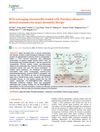
October 2025 in “Nano Research” In this study, researchers developed a dissolvable microneedle patch combining HA-TEMPO and Portulaca oleracea L.-derived nanoparticles, which effectively reduced oxidative stress and inflammation in an atopic dermatitis model while restoring immune balance, suggesting a promising treatment strategy.
 January 2026 in “RSC Advances”
 This study used a zebrafish model and advanced mass spectrometry to identify 11 metabolites of epristeride, revealing significant effects on purine metabolism and aromatic amino acid biosynthesis, which may aid in developing anti-doping detection methods.
 January 2007 in “Revista del Centro Dermatológico Pascua”
 This case report describes a 2-year-old boy diagnosed with trichothiodystrophy, characterized by fragile hair, intellectual damage, diminished fertility, and short stature.
 7 citations
,
January 2021 in “Evidence-based complementary and alternative medicine”
7 citations
,
January 2021 in “Evidence-based complementary and alternative medicine” This study suggests that porphyra-334 may have antiaging properties, promoting collagen synthesis, improving periorbital wrinkles, and supporting hair follicle growth through gene regulation.
 4 citations
,
December 2018 in “Macedonian Journal of Chemistry and Chemical Engineering”
4 citations
,
December 2018 in “Macedonian Journal of Chemistry and Chemical Engineering” This study developed a reliable RP-HPLC-DAD method, finding that amino acid concentrations in bleached hair decrease with higher hydrogen peroxide levels, notably affecting cystine.
 January 2023 in “Side effects of drugs annual”
 This chapter reviews emerging side effects of various nutritional supplements and alternative medicine practices, highlighting potential toxicities and stressing the need for careful identification and management by healthcare professionals.
 34 citations
,
March 2020 in “BMC plant biology”
34 citations
,
March 2020 in “BMC plant biology” This study found that cotreatment with graphene oxide and indole-3-acetic acid significantly inhibited root development in Brassica napus, with the inhibition increasing as indole-3-acetic acid concentration rose.
 June 2025 in “Samarra Journal of Pure and Applied Science”
 This study developed a rapid and accurate spectrophotometric method using diazotized sulfanilic acid to measure minoxidil in both pharmaceutical formulations and pure form, demonstrating high precision and linearity within a concentration range of 5-40 μg/ml.
November 2025 in “Advanced Science” In this study, researchers developed a polyphenol–amino acid nanozyme capable of controlled hydrogen peroxide delivery, which effectively activated hair follicles via oxidative stress in a mouse model, suggesting a potential non-pharmacological treatment for alopecia.
 25 citations
,
January 2017 in “International Journal of Trichology”
25 citations
,
January 2017 in “International Journal of Trichology” This study found that nutritional deficiencies, particularly in amino acids and certain micronutrients, are common in individuals with hair loss across all types of alopecia.
21 citations
,
August 2017 in “Journal of veterinary internal medicine” The authors reported that a combination of amino acid and stem cell therapy may have extended survival in a dog with hepatocutaneous syndrome to 32 months post-diagnosis.
18 citations
,
January 1978 in “Advances in experimental medicine and biology” This study found that hair samples from children with kwashiorkor or marasmic kwashiorkor had about 20% less cystine compared to one child with adequate protein nutrition, suggesting the need for further research.
5 citations
,
February 2022 in “Biophysical journal” This study developed a mathematical model indicating that the amino acid sequences of intermediate filament proteins, rather than flexibility differences, significantly impact assembly rates.
 February 2025 in “Animals”
 This study found that senior dogs fed amino acid-complexed and lysine-glutamic acid-complexed trace minerals had longer, faster-growing hair and increased activity compared to those fed inorganic trace minerals.
 July 2024 in “Experimental Dermatology”
 This study suggests that APC collagen peptides may accelerate hair growth and promote overall hair health by enhancing cellular proliferation and activating specific signaling pathways in human and mouse models.
 19 citations
,
January 2019 in “International Journal of Trichology”
19 citations
,
January 2019 in “International Journal of Trichology” This consensus paper reviews expert opinions on treating telogen effluvium but reports no new clinical findings.
 9 citations
,
August 2007 in “Journal of animal science/Journal of animal science ... and ASAS reference compendium”
9 citations
,
August 2007 in “Journal of animal science/Journal of animal science ... and ASAS reference compendium” This study observed that amino acid uptake into wool follicles varies significantly, with cysteine showing the highest uptake rate, suggesting specialized transport systems that may influence wool growth.

This study examined hair mineral and free amino acid components in various diseases and found that when using effect size analysis, specific components related to diabetes and other conditions were identified, suggesting their potential as novel health indicators.
August 2025 in “Animal nutrition” This study found that supplementing with 1.5% α-ketoglutaric acid significantly improved the performance, hair follicle density, and antioxidant capacity in Rex rabbits, potentially by enhancing the Wnt signaling pathway and reducing amino acid catabolism.
 1 citations
,
April 2021 in “Han'gug miyong haghoeji/Journal of the Korean society of cosmetology”
1 citations
,
April 2021 in “Han'gug miyong haghoeji/Journal of the Korean society of cosmetology” In this study, researchers found that using 0.75% aspartic acid as an intermediate agent for a permanent wave improved wave formation and retention compared to a control in virgin hair, also reducing cuticle damage and maintaining tensile strength.
 January 2020 in “International Journal of Research in Pharmacy and Chemistry”
 This study developed a validated HPLC method for accurately estimating dutasteride and its related compounds in capsules, suitable for routine and stability sample analysis.
 12 citations
,
July 2021 in “Scientific Reports”
12 citations
,
July 2021 in “Scientific Reports” This study found that exogenous glutamic acid can promote hair growth and keratinocyte proliferation, suggesting a novel signalling pathway in the skin.
 19 citations
,
November 2018 in “Nutrients”
19 citations
,
November 2018 in “Nutrients” This study reports that polyphenols from Annurca apples may safely promote hair growth and protect against chemotherapy-induced alopecia without interfering with chemotherapy regimens.
 12 citations
,
November 2014 in “Bioscience, Biotechnology, and Biochemistry”
12 citations
,
November 2014 in “Bioscience, Biotechnology, and Biochemistry” In this study, the researchers successfully increased dipicolinic acid production in Bacillus subtilis by genetically modifying the spoVF operon, achieving a significant productivity improvement in the culture medium.
 47 citations
,
April 2017 in “European Journal of Pharmaceutics and Biopharmaceutics”
47 citations
,
April 2017 in “European Journal of Pharmaceutics and Biopharmaceutics” This study found that dutasteride-loaded nanostructured lipid carriers coated with a stearic acid-chitosan oligomer are stable, less cytotoxic, and suitable for topical delivery to promote hair growth.