January 2016 in “프로그램북(구 초록집)” This study found that growth factor cocktail treatment including FGF9, combined with microneedling, significantly improved hair density in androgenetic alopecia patients compared to treatment with regular GFC or normal saline.
28 citations
,
June 2000 in “PubMed” This article reviews the molecular mechanisms involved in androgenetic alopecia, focusing on the role of type 2 5α-reductase and DHT, but presents no new findings.
 198 citations
,
October 2011 in “Journal der Deutschen Dermatologischen Gesellschaft”
198 citations
,
October 2011 in “Journal der Deutschen Dermatologischen Gesellschaft” This article discusses the development of an evidence-based guideline for treating androgenetic alopecia and reports no new research results.
 1 citations
,
January 2017 in “Springer eBooks”
1 citations
,
January 2017 in “Springer eBooks” The document explains how hair loss patterns in men and women, known as Androgenetic alopecia, are classified using the Hamilton-Norwood system for men and the Ludwig grade system for women.
 4 citations
,
July 2020 in “Biochemical and Biophysical Research Communications”
4 citations
,
July 2020 in “Biochemical and Biophysical Research Communications” This study suggests that EDA-A2 induces apoptosis in hair follicles by increasing DKK-1 expression, implicating EDA2R signaling as a potential therapeutic target for androgenetic alopecia.
This study found that the enzyme encoded by Dgat1 acts as a retinol acyltransferase in murine epidermis, protecting against retinoid toxicity and alopecia by preventing retinol accumulation.
2 citations
,
April 2022 in “Der Hautarzt” This review discusses the current literature on platelet rich plasma injections for androgenetic alopecia, noting that while some studies report positive outcomes, they often suffer from methodological weaknesses and inconsistent results.
 August 2023 in “Journal of Investigative Dermatology”
 In this study, researchers found that Ganoderma Lucidum extract and Ganoderic acid A significantly improved hair follicle growth and delayed hair loss progression, based on in vitro, ex vivo, and 24-week human clinical trials, suggesting potential as a therapeutic for androgenetic alopecia.

This study found that androgenetic alopecia patients exhibited impaired arginine metabolism in balding hair follicles, suggesting that arginine supplementation may help preserve hair growth by counteracting mTOR signaling pathway disruption and offering potential as a treatment strategy.
 1 citations
,
January 1996 in “Springer eBooks”
1 citations
,
January 1996 in “Springer eBooks” This article traces the origin of the term "androgenetic" and discusses the progressive nature of androgenetic alopecia with age, reporting no new research findings.
1 citations
,
April 2019 in “Acta medica Philippina” This study found that androgenetic alopecia is significantly associated with an increased risk of Metabolic Syndrome, particularly in early-onset male cases and females exhibiting severe AGA.
 June 2025 in “Indian Dermatology Online Journal”
 This study found that as the severity of androgenetic alopecia increased, the prevalence and severity of seborrheic dermatitis also increased.
January 2026 in “International Journal of Dermatology” This study reports two cases where acquired perforating dermatosis was localized to the scalp and coincided with acute diffuse alopecia, suggesting perifollicular inflammation may link the two conditions.
 February 2026 in “Archives of Dermatological Research”
 In this study, microneedle-assisted delivery of polyglutamate significantly improved hair parameters, scalp symptoms, and quality of life in androgenetic alopecia patients, with no serious adverse reactions reported.
 20 citations
,
January 2018 in “Expert Opinion on Drug Safety”
20 citations
,
January 2018 in “Expert Opinion on Drug Safety” This review discusses androgenetic alopecia management with 5α-reductase inhibitors, emphasizing that while dutasteride shows superior efficacy, finasteride is suggested as preferable due to predictable adverse effects and preservation of physiological roles.
August 2026 in “Prostaglandins & Other Lipid Mediators” This review suggests that imbalance in prostaglandin levels may contribute to androgenetic alopecia, highlighting prostaglandins as potential biomarkers and therapeutic targets for the condition.
 36 citations
,
April 2011 in “Journal of The American Academy of Dermatology”
36 citations
,
April 2011 in “Journal of The American Academy of Dermatology” People with hair loss have higher risk of high blood sugar and diabetes, and lower levels of a specific hormone.
January 2008 in “Journal of clinical and experimental medicine” This study reported that multiple factors including genetics and psychological influences are related to androgenetic alopecia, and finasteride showed a 77.8% response rate after three months of treatment.
 January 2013 in “Anthropology”
 This article discusses the challenges in accurately estimating an individual's age in forensic and anthropological contexts and reports no definitive method; the authors highlight the need for acceptable error margins.
 February 2024 in “Heliyon”
 In this study, AGA patients exhibited distinct lipidomic profiles and higher metabolic syndrome prevalence compared to controls, with certain lipids correlated to key AGA-related factors like DHT, PGD2, and TGF-β1.
5 citations
,
April 2022 in “Evidence-based Complementary and Alternative Medicine” This study explored the mechanism of Shaoyao Gancao decoction in treating alopecia areata and found that it may be closely related to the PI3K/AKT signaling pathway.
 12 citations
,
October 2012 in “Anais Brasileiros De Dermatologia”
12 citations
,
October 2012 in “Anais Brasileiros De Dermatologia” This study found that dermoscopy is an effective tool for diagnosing and monitoring androgenetic alopecia in women, as it helped identify common signs such as hair miniaturization and peripilar brown halo.
 4 citations
,
August 2020 in “Facial plastic surgery & aesthetic medicine”
4 citations
,
August 2020 in “Facial plastic surgery & aesthetic medicine” This study found that combining concentrated growth factor injections with minoxidil treatment significantly improved hair growth and participant satisfaction in male patients with androgenetic alopecia compared to minoxidil alone.
 October 2024 in “Journal of College of Physicians And Surgeons Pakistan”
 In this study, researchers observed an association between androgenetic alopecia and metabolic syndrome, suggesting potential benefits in screening individuals with this type of hair loss for metabolic issues to prevent further health complications.
January 2012 in “Journal of Practical Dermatology” This review discusses various treatments for androgenetic alopecia in both men and women and reports no new clinical results; the authors note the importance of understanding therapeutic mechanisms, dosages, and adverse reactions.
 March 2010 in “The Journal of Urology”
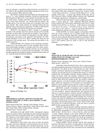
 This study found that men with early-onset androgenetic alopecia had larger prostate volumes and lower urinary flow rates compared to those without the condition, suggesting a potential link between AGA and urinary symptoms.
 38 citations
,
July 1989 in “Archives of dermatological research”
38 citations
,
July 1989 in “Archives of dermatological research” Testosterone causes hair loss in AGA mice, which are good for testing baldness treatments, and both minoxidil and cyproterone acetate can prevent this hair loss.
 30 citations
,
September 2017 in “Clinics in Dermatology”
30 citations
,
September 2017 in “Clinics in Dermatology” This review explores the relationship between androgenetic alopecia and metabolic syndrome, suggesting an association that supports considering cardiovascular risk assessments in patients with this type of hair loss.
July 2024 in “JAAD International” This letter discusses androgenetic alopecia in men and the need for more research to understand its progression with age, reporting no new clinical results.
 October 2021 in “JAAD Case Reports”
 This article discusses diabetic gustatory hyperhidrosis as a rare form of autonomic dysfunction linked to severe diabetic neuropathy and nephropathy, noting its impact on social and emotional well-being.