 6 citations
,
June 2008 in “Journal of the European Academy of Dermatology and Venereology”
6 citations
,
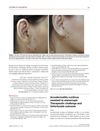
June 2008 in “Journal of the European Academy of Dermatology and Venereology” This paper discusses a case of acrodermatitis continua that was resistant to treatment with etanercept, highlighting the therapeutic challenges faced, but reports no new research results.

This study found that CYP21A2 gene mutations are the most common cause of non-classic congenital adrenal hyperplasia, while CYP11B1 mutations are rare and may partially impair enzyme activity.
 10 citations
,
January 2010 in “Acta Histochemica Et Cytochemica”
10 citations
,
January 2010 in “Acta Histochemica Et Cytochemica” This study found that patients with alopecia areata and androgenetic alopecia showed increased c-kit expression and decreased Ki-67 expression in hair follicle cells compared to controls, suggesting a possible feedback mechanism involving stem cell factor signaling.
42 citations
,
July 2015 in “PLoS ONE” This study presents the first detailed 3D models of the complete K1/K10 keratin dimer and identifies structural features and interactions that may inform understanding of keratin filament assembly.
 August 2026 in “International Journal of Molecular Sciences”
 This study found that Atractylodes macrocephala Koidz. extract promotes anagen entry and hair regrowth by enhancing dermal papilla cell activity and supporting hair cycle progression in a mouse model.
6 citations
,
January 2010 in “Journal of Biochemical and Molecular Toxicology” This study found that the ID2 gene was highly expressed in bulge-derived keratinocytes when exposed to contact sensitizers and may serve as a marker to distinguish sensitizers from irritants during in vitro testing.
May 2025 in “Experimental Dermatology” In this study, researchers developed a novel genetic tool using Wif1-CreER knock-in mice for precise labeling and manipulation of dermal papilla cells, which could enhance understanding of hair biology and aid in developing targeted therapies for hair-related disorders.
10 citations
,
April 2020 in “PloS one” This study found that mitochondrial dysfunction due to Crif1 deficiency in hair follicle stem cells significantly slows the hair growth cycle in adult mice but does not impact the maintenance of HFSC populations.
46 citations
,
December 1998 in “Journal of Biological Chemistry” This study found that keratin 19, unlike keratin 14, forms less stable filaments with keratin 5, suggesting distinct assembly properties and potential unique roles in skin basal cells.
 7 citations
,
October 2018 in “BMC genomics”
7 citations
,
October 2018 in “BMC genomics” This study reveals that β-catenin and retinoic acid are key regulators in the gene networks controlling the fate of skin appendages, such as scales and feathers.
 3 citations
,
August 2025 in “Frontiers in Pharmacology”
3 citations
,
August 2025 in “Frontiers in Pharmacology” Oral JAK inhibitors are safe for alopecia areata, but baricitinib may cause more acne and infections.
18 citations
,
July 2013 in “Journal of Leukocyte Biology” The study suggests that vaccination with soluble keratin peptides K71 and K31 significantly delayed the onset and progression of autoimmune alopecia areata in mice by inducing T cell anergy.
 February 2026 in “Clinical Cosmetic and Investigational Dermatology”
 This study found that early treatment of alopecia areata with JAK inhibitors can improve patients' physical and psychological quality of life without worsening skin lesions associated with sarcoidosis.
17 citations
,
January 2019 in “Journal of cutaneous medicine and surgery” This review discusses the potential of JAK inhibitors for treating alopecia areata and reports case study evidence of their effectiveness, but formal clinical trials are needed for more definitive conclusions.
19 citations
,
November 2016 in “Developmental Biology”  April 2018 in “Journal of Investigative Dermatology”
 This study demonstrated that in genetic mouse models, the calcium sensor Stim1, not Stim2, is essential for sweat secretion in sweat glands.
March 2026 in “Experimental Dermatology” This study developed an in vitro model using NTERT keratinocytes expressing AEC-related TP63 mutations, which replicated skin defects observed in AEC patients and offers a valuable tool for understanding the disorder and developing new treatments.
1 citations
,
November 2018 in “immuneACCESS” This study found that in alopecia areata, treatment with the oral JAK-inhibitor tofacitinib decreased clonally expanded CD8⁺ T cells in the scalp, but many expanded clones did not completely disappear, potentially leading to relapse after stopping treatment.
78 citations
,
October 2007 in “Journal of Investigative Dermatology” Delta1 is crucial for controlling skin cell growth and preventing tumors in mice.
 32 citations
,
April 2019 in “JAAD case reports”
32 citations
,
April 2019 in “JAAD case reports” This study discusses the immune dysregulation observed in individuals with Down syndrome, highlighting their increased risk for autoimmune skin conditions, but does not yet clarify the molecular mechanisms behind this profile.
37 citations
,
April 2018 in “Journal of Allergy and Clinical Immunology” This study found that a novel IKZF1 mutation, p.L188V, is linked to juvenile-onset systemic lupus erythematosus and alters B-cell activation by disrupting normal DNA binding.
22 citations
,
July 1998 in “Journal of Investigative Dermatology” This study identified and characterized a gene called 4C32, which is expressed in the periderm of embryonic mouse skin and has a structure similar to keratin-associated proteins.
 38 citations
,
September 2011 in “PLOS ONE”
38 citations
,
September 2011 in “PLOS ONE” This study found that activin B promotes epithelial wound healing in mice through the RhoA-Rock-JNK-cJun signaling pathway, suggesting a potential therapeutic role for activin B in wound repair.
 April 2023 in “The journal of investigative dermatology/Journal of investigative dermatology”
 The study demonstrated that both DKK2 and SOSTDC1 are necessary for normal timing of the first catagen phase in mice hair growth cycles.
 47 citations
,
June 2009 in “Journal of Biological Chemistry”
47 citations
,
June 2009 in “Journal of Biological Chemistry” This study found that finasteride competitively inhibits the enzyme AKR1D1 with low micromolar affinity but does not act as a mechanism-based inactivator.
9 citations
,
February 2001 in “Journal of Dermatological Science” This study found that the expressions of CDK inhibitors p21waf1/cip1 and p27kip1 were higher during the anagen phase compared to telogen, suggesting a role in follicular epithelial cell differentiation.
 53 citations
,
July 2011 in “Biomaterials”
53 citations
,
July 2011 in “Biomaterials” This study observed that hepatocyte adhesion to human hair keratin biomaterials was mediated by the hepatic ASGPR, as blocking this receptor reduced cell attachment.

In this study, researchers found that androgen receptor expression and AKR1C-mediated androgen inactivation, including AKR1C4, are prominent in scalp sebaceous glands, with AKR1C expression decreasing with age and differing by sex, suggesting these changes may impact hair follicle health as people age.
40 citations
,
September 2010 in “Journal of Biological Chemistry” This study found that keratin K80, structurally similar to hair keratins, is broadly expressed in various epithelial tissues and is involved in intermediate filament formation with multiple type I partners.
 April 2024 in “bioRxiv (Cold Spring Harbor Laboratory)”
 In a keratinocyte-specific knockout mouse model, this study found that deleting GRK2 disrupted hair follicle homeostasis, causing cyst-like structures, abnormal growth patterns, and eventual hair loss, suggesting potential links to immune-mediated alopecias.