 June 2025 in “Jurnal Mandala Pharmacon Indonesia”
 In this study, researchers found that methanol extract from E. alba stem reduced the expression of the apoptosis marker gene Caspase-3 in T47D breast cancer cells, particularly at 100 ppm, achieving 1.859 times suppression compared to DMSO 2%.
11 citations
,
June 2024 in “Molecules” This review investigated the phytochemical variations in different medicinal parts of the plant *Alpinia zerumbet*, finding distinct chemical compositions between leaves, rhizomes, fruits, seeds, and flowers, which supports the traditional use of these parts for various medicinal purposes.
 3 citations
,
August 2021 in “Journal of fiber science and technology”
3 citations
,
August 2021 in “Journal of fiber science and technology” This study found that chitin nanofibrils prepared by the aqueous counter collision process exhibited superior emulsifying properties for stabilizing oil droplets in Pickering emulsions compared to cellulose nanofibrils.
16 citations
,
October 2018 in “BMC Complementary and Alternative Medicine” In this animal study, the methanolic extract of Crataeva nurvala leaves was found to possess sedative and anxiolytic properties, potentially linked to GABAergic activity and certain neuroactive compounds.
1 citations
,
January 2023 in “Chemical Engineering Journal”  8 citations
,
January 2009 in “Transactions of the Materials Research Society of Japan”
8 citations
,
January 2009 in “Transactions of the Materials Research Society of Japan” This study found that CMAD wool keratin may protect human hair from damage during repeated bleaching and permanent waving treatments.
25 citations
,
May 2017 in “InTech eBooks” This review details the diverse catalytic activities of abzymes in systemic lupus erythematosus (SLE) and reports no new experimental findings; it discusses the impact of these abzymes on disease pathogenesis.
 9 citations
,
June 2014 in “Nutrition and Cancer”
9 citations
,
June 2014 in “Nutrition and Cancer” This study found that hydro-alcoholic Eclipta alba extract may have anticancer and multidrug resistance-reversal effects in animal models, suggesting potential as an adjunctive agent in tumor chemotherapy.
3 citations
,
January 1993 in “Toxicological Sciences” This study found that 2-ethylhexanoic acid impaired fertility in Wistar rats and delayed postnatal development of pups, suggesting potential reproductive toxicity at certain dosages.
 January 1989 in “Skin research”
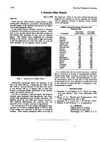
 In this study, an oleanolic acid-containing scalp treatment increased terminal hair counts significantly more than placebo in men under 50 with androgenic alopecia, but only three showed clinical improvement, with minimal side effects reported.
 4 citations
,
November 1968 in “Textile research journal”
4 citations
,
November 1968 in “Textile research journal” Hair fibers may have a unique, non-protein sheath not previously identified.
12 citations
,
September 1990 in “The Anatomical Record” This study found that distinct glycoconjugate expression patterns in human hair follicle cells suggest complex carbohydrate metabolism, revealing a unique sugar moiety in outer root sheath cells not present in other keratinocytes.
 August 2025 in “İstanbul Gelişim Üniversitesi Sağlık Bilimleri Dergisi”
 In this study, the researchers developed a chromatographic method to determine α-tocopherol and α-tocopheryl acetate in pharmaceutical capsules with high accuracy and repeatability, establishing it as a reliable alternative for analyzing these compounds.
December 2022 in “Scientific Reports” This study found that caffeic acid amide derivative, compound 4, effectively inhibited steroid 5α-reductase type 1 in vitro, suggesting potential for development as a treatment for androgenic alopecia.
 35 citations
,
August 2010 in “The American journal of pathology”
35 citations
,
August 2010 in “The American journal of pathology” This study reports that hypomorphic alleles of the Ass1 gene in mice resemble human CTLN1, providing a potential model for preclinical studies and indicating that standard treatments for CTLN1 can rescue phenotypes.
25 citations
,
May 2019 in “Cosmetics” This paper reviews the surface degradation of hair and describes how combining 18-MEA with specific surfactants can maintain hydrophobicity on bleached and weathered hair surfaces.
 1 citations
,
June 2014 in “Toxicologie analytique et clinique/Annales de toxicologie analytique”
1 citations
,
June 2014 in “Toxicologie analytique et clinique/Annales de toxicologie analytique” This study suggests that chest, arm, leg, and beard hair samples may be viable alternatives to scalp hair for monitoring long-term alcohol intake, although body hair is more typically collected from men.
July 2025 in “Journal of Research in Siddha Medicine” This study investigated the sub-acute toxicity of Eclipta alba extract in Wistar albino rats, finding generally comparable hematological and biochemical parameters to controls, but noted mild morphological liver and kidney changes at the highest dose, highlighting a key area for further safety research.
4 citations
,
January 2023 in “Journal of Clinical Investigation” This study identified a recurrent mutation in the endothelin receptor type A associated with mandibulofacial dysostosis with alopecia, and proposed a mechanism involving increased ligand affinity due to structural changes.
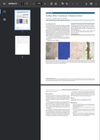
In this case study, a 15-year-old obese boy was diagnosed with acanthosis nigricans and hair casts in the axillae, with Wood's lamp and dermoscopic examination revealing specific features, yet fungal infection was ruled out through a negative KOH test.
13 citations
,
December 2010 in “Pharmacology Biochemistry and Behavior” Inhibiting certain enzymes made female rats more sensitive to low-level pain.
6 citations
,
October 2016 in “Pediatric Dermatology” This case report describes a unique instance of a 6-year-old girl developing angioedema after treatment with squaric acid dibutylester for alopecia areata.
18 citations
,
October 2022 in “JCI Insight” This study found that altered amino acid metabolism, specifically involving glutamic and aspartic acids, promotes neurovascular reactivity in rosacea, suggesting a potential metabolic target for treatment.
February 2024 in “Al-Azhar International Medical Journal /Al-Azhar International Medical Journal” This study concluded that topical betamethasone valerate lotion is more effective than topical 15% lactic acid solution for managing multiple patchy alopecia areata over a 12-week treatment period.
 February 2026 in “Nature Synthesis”
 In this study, researchers introduced a visible-light-mediated intramolecular cycloaddition method that selectively forms 6-azabicyclo[3.1.1]heptanes, suggesting these structures could offer promising new scaffolds for drug discovery and medicinal chemistry.
12 citations
,
September 2021 in “Journal of molecular structure” In this study, researchers created a new molecular salt from minoxidil and 2,4-dihydroxybenzoic acid, finding it superior to raw minoxidil for promoting hair growth in a mouse model, suggesting it may be a promising candidate for treating hair loss.
10 citations
,
October 2018 in “Neurology Neuroimmunology & Neuroinflammation” This case report describes a 31-year-old woman experiencing alopecia areata as a potential side effect of alemtuzumab treatment for relapsing-remitting MS.
43 citations
,
November 2009 in “Archives of dermatology” This study found that alefacept showed no significant improvement in treating severe alopecia areata compared to placebo over a 24-week period.
 March 2025 in “Journal of Science Natural Science”
 This study successfully synthesized acetyl tetrapeptide-3 on a laboratory scale with over 56% yield and 100% purity, supporting its use in developing hair loss and scalp care products.
 July 2026 in “Zenodo (CERN European Organization for Nuclear Research)”
 This study used a multi-layer in silico framework to evaluate Korean herbal compounds for androgenetic alopecia, identifying Biochanin A, Saponin Re, and Emodin as potential topical candidates with distinct safety and affinity profiles, although these findings remain purely computational without experimental validation.