 1 citations
,
January 2015 in “Springer eBooks”
1 citations
,
January 2015 in “Springer eBooks” AGA is a common hair loss disorder, and early diagnosis and treatment with minoxidil or finasteride can help reduce emotional distress.
September 2026 in “Advanced Materials Technologies” In a mouse model study, researchers developed a methacrylated hyaluronic acid-based hydrogel microneedle patch co-loaded with finasteride and a carbon monoxide-releasing molecule for androgenetic alopecia, which showed better hair regrowth and safety compared to traditional treatments, offering an innovative approach with minimized systemic side effects.
 3 citations
,
September 2022 in “Molecules”
3 citations
,
September 2022 in “Molecules” This study found that Camellia seed cake extract may counteract DHT-induced effects in cultured dermal papilla cells, suggesting potential to prevent or alleviate androgenetic alopecia.
 January 2025 in “Journal of Contemporary Medical Practice”
 The researchers reported that nano-cerium oxide improved androgenetic alopecia in mice by increasing the ratio of terminal to vellus hairs, elevating IGF-1 expression, and reducing TGF-β and DHT levels in the skin, suggesting potential for drug development.
 November 2018 in “Chin J Clin Lab Mgt (Electronic Edition)”
 This paper introduces Concentration Growth Factor (CGF) as a potential treatment for androgenetic alopecia, but reports no clinical findings on its effectiveness in promoting hair growth.
May 2023 in “Journal of Cosmetic Dermatology” This study found that AGA patients had higher serum and epidermal irisin levels, which were associated with metabolic syndrome, dyslipidemia, and abnormal carotid intima media thickness, suggesting potential irisin resistance affecting cardiometabolic health.
 May 2026 in “Open Science Framework”
 This study conducted an in silico evaluation of Korean herbal compounds against key targets involved in androgenetic alopecia, finding Biochanin A, Saponin Re, and Emodin as promising candidates for topical treatments, but highlighting safety and topical formulation challenges.
 3 citations
,
August 2021 in “Research Square (Research Square)”
3 citations
,
August 2021 in “Research Square (Research Square)” This study found that increased mRNA expression of the Ectodysplasin-A2-Receptor, observed across multiple species and tissues, may exacerbate inflammation during aging, suggesting potential benefits of blocking EDA2R/EDA-A2 signaling.
June 2026 in “Mendeley Data” This dataset provides additional exposure data and comprehensive analyses for a study on the long-term effects of particulate matter on androgenetic alopecia, but it presents no new findings.
 January 2014 in “Cosmoderma”
 This review examines the effectiveness of current treatments for androgenetic alopecia, offering plastic surgeons evidence-based guidance for choosing safe and effective options, but reports no new results.
 January 2023 in “Intisari Sains Medis”
 This study found a significant relationship between andropause and androgenic alopecia among civil servants at the Badung Regency Government Center.
April 2023 in “Journal of Investigative Dermatology” This study found that intradermal injection of a specially designed RNA molecule, cp-asiAR, successfully reduced androgen receptor levels and promoted hair growth in a mouse model of androgenetic alopecia, while also improving hair follicle characteristics in ex vivo human scalp tissues without significant toxicity.
October 2012 in “Institutional Repositories DataBase (IRDB)” The researchers reported that treatment with adipose-derived stem cell conditioned medium significantly increased hair count in the study participants, suggesting it is an effective therapy for hair regeneration.
June 2026 in “Health Science Reports” This review proposes a theoretical model for treating androgenetic alopecia using STEAP3 protein, based on recent findings about genetic mutations affecting molecular pathways, but emphasizes that this hypothesis needs validation through laboratory and clinical studies.
January 2025 in “Figshare” This meta-analysis concluded that compound glycyrrhizin combined with conventional treatments improved hair regrowth in patients with alopecia areata, though it was associated with mild adverse events like edema.
 April 2026 in “Dermatology and Therapy”
 The device improved hair growth and thickness in men without side effects.
 August 2015 in “Dermatologica Sinica”
 This study found that young adult men with moderate to severe AGA have poorer semen quality compared to those with normal to mild AGA.
 11 citations
,
April 2015 in “International Journal of Cosmetic Science”
11 citations
,
April 2015 in “International Journal of Cosmetic Science” This study found that topical adenosine significantly increased the ratio of thick hairs and contributed to global improvement in Japanese men with androgenetic alopecia compared to niacinamide, with no observed adverse events.
 April 2021 in “MEDICINUS”
 This case report describes a 5-year-old boy with acquired acrodermatitis enteropathica and normal serum zinc levels, improving clinically after zinc supplementation.
 July 2026 in “Zenodo (CERN European Organization for Nuclear Research)”
 This study evaluated Korean herbal compounds in silico and identified Biochanin A, Saponin Re, and Emodin as potential topical treatments for androgenetic alopecia, each with specific safety and efficacy considerations.
 October 2023 in “Actas Dermo-Sifiliográficas”
 In this consensus document, 34 dermatologists from the Spanish Trichology Society used the Delphi method to create comprehensive recommendations for managing androgenetic alopecia, offering guidance based on expert opinion and available scientific evidence to assist clinicians in routine treatment.
April 2013 in “e-Jurnal Medika Udayana” This abstract indicates that finasteride, at a dose of 1 mg per day, is effective in treating androgenetic alopecia in men by significantly reducing DHT levels.

This article discusses androgenetic alopecia, emphasizing its prevalence, characteristics, and the importance of prompt diagnosis and treatment but reports no new clinical results.
 56 citations
,
December 2011 in “The Plant Journal”
56 citations
,
December 2011 in “The Plant Journal” AGD1 is important for root hair development in Arabidopsis, working with phosphoinositide signaling and the actin cytoskeleton.
 October 2024 in “Journal of College of Physicians And Surgeons Pakistan”
 In this study, researchers observed an association between androgenetic alopecia and metabolic syndrome, suggesting potential benefits in screening individuals with this type of hair loss for metabolic issues to prevent further health complications.
This article provides an overview of current treatments and alternative formulations for androgenic alopecia but reports no new clinical results.
87 citations
,
March 2013 in “Expert Review of Anticancer Therapy” This article summarizes dermatologic adverse events in patients treated with afatinib in clinical trials and discusses strategies for managing these side effects, without providing new clinical results.
1 citations
,
January 2015 In this study, gel containing apigenin and celery herb extract was observed to effectively stimulate hair growth and did not cause skin irritation in male Sprague-Dawley rats.
 38 citations
,
September 2006 in “Journal of Dermatological Science”
38 citations
,
September 2006 in “Journal of Dermatological Science” This study evaluated the effect of 2% ketoconazole lotion for androgenetic alopecia, but the results regarding its effectiveness on clinical appearance remained unclear.
 11 citations
,
September 2011 in “British Journal of Dermatology”
11 citations
,
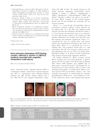
September 2011 in “British Journal of Dermatology” New ABCA12 gene mutations were linked to a skin condition with scaling and hair loss, and a treatment helped with hair loss in a related case.