 11 citations
,
September 2011 in “British Journal of Dermatology”
11 citations
,
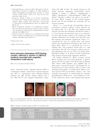
September 2011 in “British Journal of Dermatology” New ABCA12 gene mutations were linked to a skin condition with scaling and hair loss, and a treatment helped with hair loss in a related case.
 January 2025 in “Open Medicine”
 This study found that high-concentration cell-free adipose extract effectively reduced collagen deposition and blood vessel formation in a rabbit ear model, showing promise for preventing and treating hypertrophic scars.
November 2025 in “Mendeley Data” November 2025 in “Mendeley Data”  April 2023 in “Nigerian Journal of Clinical Practice”
 In this study, androgenetic alopecia in Nigerians was associated with dyslipidemia, alcohol intake, and sedentary lifestyle, with severity linked to age, systolic blood pressure, and obesity.
 September 2024 in “Journal of the American Academy of Dermatology”
 In this prospective study, researchers observed that early-onset androgenetic alopecia may predispose young male patients to metabolic syndrome, as significant differences in metabolic profiles were found between these patients and age-matched controls.
February 2026 in “ACS Applied Materials & Interfaces” This study developed a novel treatment method using carbon dots from Cinnamomum burmannii leaves, which improved hair regeneration and thickness in an AGA mouse model by promoting cell proliferation, angiogenesis, and reducing inflammation through multiple signaling pathways.
43 citations
,
November 2009 in “Archives of dermatology” This study found that alefacept showed no significant improvement in treating severe alopecia areata compared to placebo over a 24-week period.
 35 citations
,
October 2006 in “Journal of Dermatology”
35 citations
,
October 2006 in “Journal of Dermatology” This study outlines the clinical features of androgenetic alopecia in Korean adolescents, finding milder symptoms compared to adults and a high occurrence of family history, with normal hormone levels.
30 citations
,
December 2021 in “Frontiers in Microbiology” In this study, researchers found that cepharanthine significantly inhibited HSV-1 replication in vitro by interfering with specific signaling pathways, arresting the cell cycle, and inducing apoptosis in infected cells, highlighting its potential as an antiviral agent.
This study found a significant association between androgenetic alopecia and metabolic syndrome, with AGA patients showing higher BMI, waist circumference, blood glucose, and cholesterol levels compared to controls.
 28 citations
,
August 2011 in “Journal of The American Academy of Dermatology”
28 citations
,
August 2011 in “Journal of The American Academy of Dermatology” This study found that men with early-onset androgenetic alopecia had significantly larger prostate volumes and lower urinary flow rates compared to healthy controls, suggesting a possible link between AGA and prostate-related urinary symptoms.
This study suggests that androgen receptor CAG polymorphisms may not significantly influence androgenetic alopecia susceptibility in Korean men.

This article discusses ongoing research efforts to develop natural anti-androgenetic alopecia treatments using bioactive compounds from medicinal plants but reports no new clinical results.
1 citations
,
April 2020 in “Journal of the Endocrine Society” This case report describes a 19-year-old patient with microsatellite stable adrenocortical carcinoma who showed a promising 36-month response to pembrolizumab, including structural and biochemical improvements, with primary adrenal insufficiency as a major side effect.
 July 2025 in “Journal of Investigative Dermatology”
 5% ET-02 is a more effective and safe treatment for hair loss than current options.
January 2025 in “Figshare” This meta-analysis concluded that compound glycyrrhizin combined with conventional treatments enhanced hair regrowth in alopecia areata patients, though it was associated with some mild adverse effects like oedema.
 37 citations
,
February 2017 in “Anais Brasileiros De Dermatologia”
37 citations
,
February 2017 in “Anais Brasileiros De Dermatologia” In this study, researchers found that the prevalence of androgenetic alopecia was higher in their sample compared to other studies in Asian and Caucasian populations, and it was linked with age-related severity.
 1 citations
,
July 2023 in “Al-Azhar Medical Journal”
1 citations
,
July 2023 in “Al-Azhar Medical Journal” This study observed a significant association between antigliadin antibodies (IgA and IgG) and alopecia areata severity, suggesting that serological tests could help diagnose subclinical celiac disease in these patients, with IgA and IgG showing 100% sensitivity and specificity at specific cutoff points.
 November 2013 in “대한피부과학회지”
 This study observed that eating habits differed among male AGA patients, particularly those with a longer disease duration showing a higher intake of meat but lower intake of fish compared to those with shorter duration.
 29 citations
,
November 2012 in “Journal of The European Academy of Dermatology and Venereology”
29 citations
,
November 2012 in “Journal of The European Academy of Dermatology and Venereology” This review discusses the development of an algorithmic guideline for treating androgenetic alopecia in Asian patients, using the BASP classification to address limitations of previous guidelines, and reports no clinical results.
August 2026 in “Clinical Case Reports” In this case report, a patient with diffuse alopecia areata experienced complete hair regrowth after treatment with oral abrocitinib, with no adverse effects observed.
March 2026 in “Experimental Dermatology” This study developed an in vitro model using NTERT keratinocytes expressing AEC-related TP63 mutations, which replicated skin defects observed in AEC patients and offers a valuable tool for understanding the disorder and developing new treatments.
 30 citations
,
January 2000 in “Dermatologic Clinics”
30 citations
,
January 2000 in “Dermatologic Clinics” This article reviews the genetic and psychological aspects of androgenetic alopecia in men and women, reporting no new clinical findings while emphasizing the broad impact of this hair loss condition.
July 2026 in “Journal of the American Academy of Dermatology”  42 citations
,
April 2009 in “Human Genetics”
42 citations
,
April 2009 in “Human Genetics” This study suggests that the AGA risk haplotype in Europeans was driven to high frequency by positive selection, likely associated with a variant in the EDA2R gene.
October 2005 in “CRC Press eBooks” This abstract discusses the prevalence and typical onset of androgenetic alopecia but reports no clinical findings.
 June 2025 in “International Journal of Applied Pharmaceutics”
 This study developed a testosterone-induced androgenetic alopecia model in BALB/c mice, finding that a 0.075 ml testosterone injection best replicated the dermal and hair follicle conditions of AGA patients, providing a promising tool for future drug testing and research into AGA therapies.
November 2022 in “Molecular Pharmaceutics” This study found that intradermal injection of a cell-penetrating, AR-targeting asiRNA promoted hair growth and reduced androgen receptor expression in mouse models of androgenetic alopecia, suggesting its therapeutic potential.
 June 2026 in “Journal of Sulaimani Medical College”
 This study found that adipose-derived stem cell exosome injections were more effective than minoxidil in improving hair density and diameter in patients with androgenetic alopecia, with high patient satisfaction and manageable side effects.