 July 2026 in “Zenodo (CERN European Organization for Nuclear Research)”
 This study used a multi-layer in silico framework to evaluate Korean herbal compounds for androgenetic alopecia, identifying Biochanin A, Saponin Re, and Emodin as potential topical candidates with distinct safety and affinity profiles, although these findings remain purely computational without experimental validation.
 February 2026 in “Zenodo (CERN European Organization for Nuclear Research)”
 This review discusses recent advances in the understanding of androgenetic alopecia, focusing on genetic factors and new diagnostic and treatment approaches, but it does not provide new clinical results.
 2 citations
,
September 2022 in “Cellular and molecular biology”
2 citations
,
September 2022 in “Cellular and molecular biology” In this study, Agaricus bisporus derived β-Glucan particles demonstrated antimicrobial, antioxidant, and anticancer effects against cervical cancer HeLa cells, suggesting potential as a therapeutic option.
April 2015 in “Our Dermatology Online” This report presents a case of acrodermatitis enteropathica in a 22-year-old female, highlighting the absence of underlying comorbid conditions.
 18 citations
,
February 2014 in “PubMed”
18 citations
,
February 2014 in “PubMed” This article reviews current diagnostic and treatment approaches for androgenetic alopecia but reports no new results, focusing on its progression and medical management options.
1 citations
,
September 2023 in “Prostate International” In this study, a 12-week treatment with Angelicae Gigantis Radix and Glycyrrhizae Radix complex was well tolerated and showed therapeutic effects on moderate lower urinary tract symptoms in men.
6 citations
,
May 2023 in “Molecules” In this study, dry powder inhalers containing Cepharanthine were administered to rats with acute lung injury, significantly reducing pulmonary edema, hemorrhage, and inflammatory markers, suggesting its potential as an effective anti-inflammatory treatment when inhaled directly into the lungs.
 December 2025 in “Naunyn-Schmiedeberg s Archives of Pharmacology”
 In this animal study, AGO (agomelatine) effectively alleviated testosterone-induced benign prostatic hyperplasia in rats by reducing oxidative stress and inflammation, indicating its potential as a therapeutic option for managing BPH through specific signaling pathways.
 July 2023 in “International journal of dermatology, venereology and leprosy sciences”
 This study reviews the interplay between endocrine factors and genetic predisposition in androgenetic alopecia, highlighting various treatment options, including new medical, surgical, and light-based therapies, though some remain relatively unexplored.
2 citations
,
October 2025 in “Antimicrobial Agents and Chemotherapy” This study found that cepharanthine may be a promising treatment for enterovirus infections, as it offered full protection to mice against lethal EV71 challenges and reduced viral titers and pathology.
September 2023 in “Journal of the American Academy of Dermatology” Dermatologists should consider alpha-gal syndrome in patients with unexplained chronic skin issues.
 November 2022 in “Orphanet Journal of Rare Diseases”
 This review discusses treatment options for hereditary angioedema and reports no new results; it highlights concerns about androgen side effects and mentions approved alternatives with fewer serious adverse effects.
January 2007 in “Journal of Clinical Dermatology” This study found that the new cytopurine/pentadecanoic glyceride topical solution significantly improved total hair count and reduced daily hair shedding in patients with androgenetic alopecia over 16 weeks, although other measures did not differ from placebo.
 2 citations
,
November 2018 in “Clinical and Experimental Dermatology”
2 citations
,
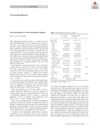
November 2018 in “Clinical and Experimental Dermatology” This correspondence discusses acne development in male androgenetic alopecia but reports no new clinical findings.
March 2022 in “Japanese Journal of Complementary and Alternative Medicine” In this case study, a novel treatment combining basal stone therapy and placenta extract applied to the scalp improved hair loss in a 46-year-old man resistant to typical home-care treatments for androgenic alopecia.
July 2024 in “Journal of Investigative Dermatology” ATR04-484 ointment shows promise for treating skin issues from cancer therapies.
3 citations
,
July 2022 in “Indian Journal of Dermatology” This report describes a case of acute localised exanthematous pustulosis in a 19-year-old boy after using amoxicillin-clavulanic acid, with new dermoscopic features identified.
 4 citations
,
July 2020 in “Biochemical and Biophysical Research Communications”
4 citations
,
July 2020 in “Biochemical and Biophysical Research Communications” This study suggests that EDA-A2 induces apoptosis in hair follicles by increasing DKK-1 expression, implicating EDA2R signaling as a potential therapeutic target for androgenetic alopecia.
August 2022 in “Journal of Cosmetic Dermatology” This study found that 1% topical cetirizine may be more effective than a placebo in treating androgenetic alopecia but appears less effective than minoxidil for hair density, though potentially longer-lasting; however, more well-designed RCTs are needed to confirm these findings.
 January 2026 in “European Journal of Dermatology”
 This study reports that targeting both hair follicles and surrounding tissue offers a safe and significantly beneficial improvement in androgenetic alopecia symptoms, with advanced dermocosmetics playing a crucial role alongside traditional pharmacological interventions in long-term management.
 6 citations
,
September 2024 in “BMC Pulmonary Medicine”
6 citations
,
September 2024 in “BMC Pulmonary Medicine” This study demonstrated that CEP may effectively treat pulmonary fibrosis by inhibiting fibroblast activation through regulating macrophage M2 polarization and decreasing fibrosis-associated factors, suggesting a new avenue for future research in this area.
 July 2026 in “Zenodo (CERN European Organization for Nuclear Research)”
 In this study, in silico analysis identified Saponin Re and Emodin as promising candidates for topical treatment of androgenetic alopecia, with Biochanin A having the most favorable safety profile among the tested compounds.
January 2026 in “OSF Preprints (OSF Preprints)” In this study, researchers presented a novel therapeutic approach for androgenetic alopecia combining AR-PROTAC degradation with regenerative strategies and evaluated the potential of GT20029 as a topical treatment, proposing a three-phase protocol and future research hypotheses.
 April 2024 in “Nigerian Postgraduate Medical Journal”
 This review summarizes existing knowledge on androgenetic alopecia, including its epidemiology, pathophysiology, and management, but presents no new research findings.

This paper reviews female androgenetic alopecia and highlights the importance of differentiating it from other hair loss conditions, noting its potential association with hyperandrogenism in premenopausal women, but reports no new results.
1 citations
,
January 2022 in “Dermatology Research and Practice” This study found that androgenetic alopecia negatively impacts the emotional and social well-being of Polish men, particularly younger individuals, with 66.7% reporting a significant effect on self-esteem.

This article reviews the causes and pattern of androgenetic alopecia and reports no new research findings.
 February 2009 in “Journal of The American Academy of Dermatology”
 AGA patients have higher rates of metabolic syndrome and carotid atheromatosis, suggesting early screening and prevention is important.
 4 citations
,
May 2023 in “Research Square (Research Square)”
4 citations
,
May 2023 in “Research Square (Research Square)” This study found that cephalanthine inhibited the growth of gastric cancer cells in vitro and in vivo by inducing oxidative stress and altering energy metabolism, suggesting its potential as a treatment for gastric cancer.
 February 2026 in “Zenodo (CERN European Organization for Nuclear Research)”
 This review discusses advancements in understanding the genetic and stem cell involvement in androgenetic alopecia, evaluates current treatments, and emphasizes the need for evidence-based guidelines but presents no new clinical results.