 7 citations
,
November 1987 in “Pharmacotherapy: The Journal of Human Pharmacology and Drug Therapy”
7 citations
,
November 1987 in “Pharmacotherapy: The Journal of Human Pharmacology and Drug Therapy” This article reviews the potential of topical minoxidil to cosmetically thicken hair in some individuals with male pattern hair loss, but it reports no new clinical results.
 67 citations
,
March 1987 in “Journal of The American Academy of Dermatology”
67 citations
,
March 1987 in “Journal of The American Academy of Dermatology” This study found that both 2% and 3% minoxidil resulted in a significant increase in hair counts for participants with androgenetic alopecia over 12 months.
 78 citations
,
March 1987 in “Journal of The American Academy of Dermatology”
78 citations
,
March 1987 in “Journal of The American Academy of Dermatology” Minoxidil promotes hair growth but stops working when discontinued.
 22 citations
,
March 1987 in “Journal of The American Academy of Dermatology”
22 citations
,
March 1987 in “Journal of The American Academy of Dermatology” Minoxidil prolongs cell life, slows aging, and may produce longer hairs.
 24 citations
,
March 1987 in “Journal of The American Academy of Dermatology”
24 citations
,
March 1987 in “Journal of The American Academy of Dermatology” This study found that 1% and 2% topical minoxidil solutions resulted in clinically noticeable hair growth compared to lower doses or placebo in men with male pattern baldness.
 58 citations
,
July 1986 in “Journal of The American Academy of Dermatology”
58 citations
,
July 1986 in “Journal of The American Academy of Dermatology” Lowest effective minoxidil concentration is 1%, but 2% works better for male pattern baldness.
 25 citations
,
May 1986 in “The American Journal of the Medical Sciences”
25 citations
,
May 1986 in “The American Journal of the Medical Sciences” In this study, 53% of patients with male pattern baldness experienced significant hair growth with one year of topical minoxidil, while 95% rated its effectiveness as moderate or excellent.
 138 citations
,
August 1985 in “Journal of The American Academy of Dermatology”
138 citations
,
August 1985 in “Journal of The American Academy of Dermatology” Minoxidil promotes hair growth in male pattern baldness.
 54 citations
,
June 1985 in “American Journal of Dermatopathology”
54 citations
,
June 1985 in “American Journal of Dermatopathology” This abstract does not provide specific findings or results.
 26 citations
,
March 1985 in “International Journal of Dermatology”
26 citations
,
March 1985 in “International Journal of Dermatology” Minoxidil helps hair growth, but results vary.
 55 citations
,
February 1985 in “Archives of Dermatology”
55 citations
,
February 1985 in “Archives of Dermatology” This study found that 32% of patients with hereditary male pattern baldness experienced cosmetically acceptable hair growth after applying topical minoxidil twice daily, with no serious side effects reported.
 52 citations
,
February 1985 in “Archives of Dermatology”
52 citations
,
February 1985 in “Archives of Dermatology” Minoxidil absorbs poorly through skin, with low risk of side effects at 1-2% concentration.
 17 citations
,
January 1985 in “International Journal of Dermatology”
17 citations
,
January 1985 in “International Journal of Dermatology” In this study, minoxidil was found to suppress the activity of normal human T-lymphocytes in vitro, though the physiological relevance of this effect remains uncertain.
 80 citations
,
September 1984 in “Journal of The American Academy of Dermatology”
80 citations
,
September 1984 in “Journal of The American Academy of Dermatology” In this study, 5% topical minoxidil was observed to promote hair regrowth in some patients with androgenic alopecia, while no regrowth was noted in patients with alopecia areata.
 137 citations
,
May 1984 in “Journal of Investigative Dermatology”
137 citations
,
May 1984 in “Journal of Investigative Dermatology” Minoxidil increases blood flow in balding scalps, possibly reversing hair loss.
 63 citations
,
January 1984 in “Journal of Investigative Dermatology”
63 citations
,
January 1984 in “Journal of Investigative Dermatology” Minoxidil promotes hair growth by increasing cell division and DNA synthesis.
 72 citations
,
December 1983 in “Journal of Investigative Dermatology”
72 citations
,
December 1983 in “Journal of Investigative Dermatology” Minoxidil helps hair cells live longer and grow longer.
 56 citations
,
August 1981 in “Journal of The American Academy of Dermatology”
56 citations
,
August 1981 in “Journal of The American Academy of Dermatology” Minoxidil helps hair regrowth in alopecia areata safely.
 7 citations
,
January 1981 in “Springer eBooks”
7 citations
,
January 1981 in “Springer eBooks” The document concludes that hair biology is complex and there are still unanswered questions about hair loss and follicle changes.
 22 citations
,
June 1980 in “International Journal of Dermatology”
22 citations
,
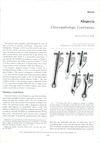
June 1980 in “International Journal of Dermatology” The document concludes that correct diagnosis of alopecia types is crucial, scalp biopsies are important, and more research is needed.
74 citations
,
November 1975 in “Archives of dermatology” This review discusses testosterone metabolism in human skin and its role in androgenetic skin disorders, suggesting that temporary increases in dihydrotestosterone may lead to these conditions.
 521 citations
,
January 1954 in “Physiological Reviews”
521 citations
,
January 1954 in “Physiological Reviews” Hair growth is cyclic and influenced mainly by local factors.