 August 2024 in “Turkish Journal of Pediatric Disease”
 This case report details a 5-month-old infant with acrodermatitis enteropathica, linked to zinc deficiency from total parenteral nutrition, who showed improvement using zinc spray and cream, contrasting with typical literature outcomes.
 August 2024 in “Journal of Cosmetic Dermatology”
 This study investigates differences in nutritional status, vitamin, and mineral levels between individuals with telogen effluvium and a control group, aiming to understand the nutritional factors involved in this condition.
 June 2024 in “Journal of Islamic International Medical College”
 This study evaluated serum copper and zinc levels in individuals with various types of alopecia and found that low zinc levels are associated with all types of alopecia, while low copper levels are specifically related to male pattern hair loss.

This study, conducted in Indramayu, Indonesia, reported that iron supplementation significantly increased hemoglobin levels in infants, while zinc supplementation reduced persistent diarrhea risk but increased susceptibility to runny nose and measles; complex interactions with diet warrant further investigation.

This study observed significant differences in trace element hair-scalp concentrations associated with atherosclerosis in coronary and carotid disease patients, suggesting that zinc levels and lymphocyte count interactions may significantly influence cardiovascular disease development.
 March 2024 in “International journal of molecular sciences”
 This study suggests that abnormal levels of zinc, copper, and iron in serum or hair may serve as auxiliary and prognostic tests for various skin diseases, though further research is necessary due to conflicting data.
 March 2024 in “Nihon Keshouhin Gijutsushakaishi/Journal of S C C./Nihon Keshouhin Gijutsushakai kaishi”
 This study found that decreased expression of the protein transglutaminase 3 with age may lead to reduced zinc levels in hair cuticles, contributing to hair thinning.
 February 2024 in “Journal of Pakistan Medical Association”
 This study found that patients with chronic telogen effluvium had significantly lower levels of zinc in their hair and serum compared to healthy controls, and observed a positive association between hair and serum zinc levels.
 January 2024 in “Australasian journal of dermatology (Print)”
 In this case study, researchers documented a Chinese boy with hair color changing to red and identified MC1R genetic mutations as the cause, rather than zinc deficiency, enhancing our understanding of hair heterochromia due to genetic factors.
 January 2024 in “Biological trace element research”
 In this study, isotretinoin treatment for acne vulgaris was associated with changes in plasma phosphorus, potassium, magnesium, and zinc levels, potentially affecting kidney function and contributing to side effects like fatigue and dry skin.
 January 2024 in “Biochemical and Biophysical Research Communications”
 Lack of zinc can cause hearing loss by damaging important parts of inner ear cells in mice.
 January 2024 in “The Egyptian Journal of Hospital Medicine (Print)”
 This study found that there was no statistically significant difference in serum zinc levels between patients with pattern hair loss and healthy controls, and concluded that zinc deficiency is unlikely to be a direct cause of androgenetic alopecia.
 January 2024 in “International journal of chemical research and development (Print)”
 This study found significant associations between reduced levels of vitamin B12, zinc, and other vitamins, and the occurrence of hair loss in women with alopecia.
January 2024 in “ResearchWorks at the University of Washington (University of Washington)” This study found that while measuring zinc in hair did not allow calculation of individual hair growth rates, it effectively characterized zinc, lead, and mercury concentrations and improved methods for analyzing these exposures using LA-ICP-MS.
 December 2023 in “Journal of nutritional science and vitaminology”
 This study in mice found that a zinc-deficient diet suppressed body weight gain and increased kidney and cecum tissue weight without decreasing serum alkaline phosphatase activity. Additionally, zinc deficiency caused alopecia and intestinal changes in C57BL/6J mice, potentially affecting nutritional status.
 December 2023 in “Benha Journal of Applied Sciences”
 This study found that male patients with androgenetic alopecia had higher serum levels of Zinc Alpha 2 Glycoprotein than healthy controls, suggesting its potential role in the disease's pathophysiology.
 November 2023 in “Journal of Basic Microbiology”
 This study explored the fungal diversity on human scalps, identifying 15 genera and 24 species from 18 scalp samples of girls, with yeast-like structures found in 33.3% of cases. Additionally, zinc oxide nanoparticles, synthesized using ginger extract, showed significant antifungal activity against specific species.

In this study, researchers developed a novel gel formulation combining zinc oxide nanoparticles and finasteride-loaded nanostructured lipid carriers, which showed promising results for topical delivery and effective skin penetration, potentially offering a new treatment approach for androgenic alopecia.
 November 2023 in “Cureus”
 In this study conducted in Jazan, Saudi Arabia, most participants were aware of vitamin D, zinc, and ferritin deficiencies and their link to hair loss, but only about a third practiced daily sun exposure and vitamin supplement use, highlighting a need for improved health education.
 November 2023 in “Biology”
 This study investigated 130 patients and found a significant inverse correlation between copper content and the copper/zinc ratio in hair samples and the extent of coronary artery disease, while zinc content alone showed no significant relationship with disease extent.
 October 2023 in “Acta dermato-venereologica (Print)”
 This study found that patients with severe alopecia areata had significantly lower serum zinc levels compared to healthy controls, and a negative correlation between zinc levels and disease severity was observed, suggesting that zinc assessment and supplementation trials may be warranted in this population.
In this study, formulations containing 20% zinc oxide nanoparticles demonstrated stability and improved spreadability without penetrating the deepest skin layers, instead accumulating in skin furrows and hair follicles.
 June 2023 in “Italian journal of dermatology and venereology”
 In this study, researchers evaluated an oral supplement containing arginine, l-cystine, zinc, and vitamin B6, finding it effective as an adjuvant treatment for telogen effluvium, as indicated by improved hair quantity and diameter after three months in 18 patients.
 April 2023 in “Acta Poloniae Pharmaceutica”
 This study found that using Urtica cannabina extract shampoo led to increased levels of copper, zinc, and iodine in the scalp hair of Mongolian women, along with improvements in hair growth, diameter, and density compared to a regular shampoo.
March 2023 in “Zenodo (CERN European Organization for Nuclear Research)” This study found that patients with alopecia areata had significantly lower serum levels of zinc and ferritin compared to healthy controls, which may contribute to the disease's pathogenesis and severity.
 March 2023 in “World Journal of Biology Pharmacy and Health Sciences”
 This study observed that patients with alopecia areata had significantly lower serum levels of zinc and ferritin compared to healthy controls, suggesting these deficiencies may contribute to the disease's severity.
 February 2023 in “Global journal of health sciences and research”
 This study found no association between serum zinc levels and alopecia areata severity in patients.
 February 2023 in “Benha Journal of Applied Sciences”
 In this study, serum zinc levels in telogen effluvium patients showed no significant difference compared to healthy controls.
 January 2023 in “Theranostics”
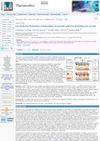
 This study reported that a curcumin-zinc microneedle patch improved hair regrowth and wound healing in animal models, suggesting potential as a versatile treatment for hair loss.
 January 2023 in “Postepy Dermatologii I Alergologii”
 This review discusses the roles and deficiency symptoms of zinc in human health, emphasizing its dietary importance and potential benefits of supplementation, but reports no new clinical findings.