1 citations
,
January 2021 in “Indian Dermatology Online Journal” This expert group provided recommendations for preparing and using platelet-rich plasma in treating androgenetic alopecia, suggesting a manual double-spin method and specific dosing, although further studies on injectable platelet-rich fibrin are needed.
January 2026 in “International Journal of Molecular Sciences” This review highlights brimonidine’s potential as a dermatological agent, noting its ability to improve rosacea-related facial redness and its effectiveness in various other skin conditions due to its vasoconstrictive and anti-inflammatory actions, with minimal systemic absorption and a favorable safety profile for long-term use.
August 2025 in “International Journal for Vitamin and Nutrition Research” This review highlights the important role of the vitamin B complex in enhancing tissue repair, reducing inflammation, and improving surgical outcomes in plastic and reconstructive procedures by supporting cellular processes such as mitochondrial efficiency, neurotransmitter biosynthesis, and wound healing pathways.
 July 2024 in “Periodontology 2000”
 This review summarizes the use of autologous platelet concentrates in aesthetic medicine, finding promising results for facial treatments, but highlights the need for more rigorous research due to current study limitations.
May 2024 in “International journal of molecular sciences” This review synthesizes evidence on platelet-derived bioproducts like PRP and PRF, highlighting their role in tissue regeneration and their benefits in aesthetic medicine applications such as hair restoration, scar treatment, and wound healing.
 January 2025 in “Cellular & Molecular Biology Letters”
 This review discusses how dysregulated levels of eicosanoids, which are metabolites of phospholipids, may contribute to skin diseases like psoriasis and atopic dermatitis, suggesting the importance of targeted eicosanoid control in diagnosis and treatment.
 January 2025 in “International Journal of Molecular Sciences”
 This narrative review explored the complex interconnections between psoriasis and other dermatological conditions like vitiligo, alopecia areata, and atopic dermatitis, highlighting shared immune dysfunctions that complicate diagnosis and treatment, with implications for research and holistic patient care.
July 2024 in “International Journal of Molecular Sciences” This study explored the effects of DPP, a 15-PGDH inhibitor, on human follicle dermal papilla cells damaged by dihydrotestosterone and observed that DPP enhanced wound healing, reduced reactive oxygen species, and increased hair growth in ex vivo human hair follicle cultures.
 1 citations
,
January 2009 in “Actas Dermo-Sifiliográficas”
1 citations
,
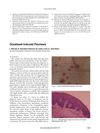
January 2009 in “Actas Dermo-Sifiliográficas” Docetaxel, a chemotherapy drug, was reported to cause psoriasis in a patient for the first time.
 1 citations
,
April 2012 in “Informa Healthcare eBooks”
1 citations
,
April 2012 in “Informa Healthcare eBooks” Some medications for inflammation can cause a condition with scalp rashes and hair loss, often linked to Crohn's disease, and may require treatment changes to prevent permanent hair loss.
6 citations
,
January 2016 in “Open journal of regenerative medicine” This study found that macrophages treated with keratin in vitro were more similar to anti-inflammatory M2 macrophages and reduced astrocyte reactivity, potentially limiting secondary inflammatory damage after spinal cord injury.
400 citations
,
October 1995 in “Journal of clinical oncology” This review details the preclinical and early clinical activity and side effects of docetaxel, showing its significant effectiveness against various cancers with neutropenia as a major side effect.
 4 citations
,
August 2023 in “Varna Medical Forum”
4 citations
,
August 2023 in “Varna Medical Forum” This article explores the therapeutic potential of TECAR therapy for physiotherapy, highlighting its non-invasive nature and ability to provide analgesic, anti-inflammatory, and tissue healing effects across various conditions with minimal side effects when applied correctly.
This study found that tenuazonic acid from Alternaria alternata can cause significant damage to vital organs in mice at low doses and highlights the need for regulatory measures to manage its risk in agricultural products.
This article lists the clinically important interactions and skin reactions of several drugs and substances, including THA, FK506, tamoxifen, tamsulosin, tartrazine, tea tree oil, temazepam, and temozolomide, but provides no new clinical results.
 December 2025 in “CyberLeninK (CyberLeninka)”
 This study evaluated the phytochemical composition of Tamarix aphylla (L.) Karst., revealing the presence of bioactive compounds like alkaloids, flavonoids, and phenolics, which may contribute to its various medicinal properties.
 50 citations
,
June 1999 in “Annals of Oncology”
50 citations
,
June 1999 in “Annals of Oncology” This study found that long-term weekly administration of docetaxel is feasible at doses up to 45 mg/m² per week with acceptable toxicity, and suggests further evaluation with 40 mg/m² for phase II studies.
October 2023 in “Open Repository of the University of Porto (University of Porto)”  February 2026 in “Oncology Reviews”
 This review highlights the promising clinical outcomes of sacituzumab tirumotecan (sac-TMT), an antibody-drug conjugate for breast cancer that targets TROP2, demonstrating improved response rates and progression-free survival, with manageable safety concerns including primarily mild-to-moderate nausea and alopecia.
 May 2025 in “Proceedings of the National Academy of Sciences”
 In this study, researchers found that the histone demethylase UTX is crucial for regulating skin differentiation through retinoic acid signaling, mainly impacting females, as males compensate with a Y-linked paralog.
13 citations
,
September 2014 in “BMC Complementary and Alternative Medicine” Tanshinone IIA helps protect skin tissue from low oxygen damage by boosting certain cell markers.
20 citations
,
December 2021 in “Plants” This review concludes that Tamarix aphylla, used traditionally for ailments such as tuberculosis and hepatitis, demonstrates various pharmacological activities, including antidiabetic and wound-healing effects, but stresses the need for further research to confirm its safety and effectiveness in humans.
 6 citations
,
July 2015 in “European Journal of Dermatology”
6 citations
,
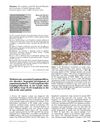
July 2015 in “European Journal of Dermatology” Stopping methotrexate might reverse lymphoma-like conditions in some patients.
January 2025 in “Scholarly Commons (University of Pennsylvania)” This study found that the X-linked gene UTX is crucial for regulating skin differentiation and inflammation in females by affecting retinoic acid signaling, also highlighting potential links to sex disparities in skin diseases.
 29 citations
,
August 2007 in “Annals of Oncology”
29 citations
,
August 2007 in “Annals of Oncology” Docetaxel and oxaliplatin are effective and have manageable side effects for recurrent platinum-sensitive ovarian cancer.
 February 2009 in “Journal of The American Academy of Dermatology”
 Most patients with Tuberous sclerosis had neurological or skin issues, and over half had psychiatric problems.
 141 citations
,
September 2016 in “European Journal of Dermatology”
141 citations
,
September 2016 in “European Journal of Dermatology” This review examines dermatological side effects of taxane chemotherapy reported in past studies and highlights the necessity for identifying and managing these conditions to maintain cancer patients' quality of life; it presents no new clinical results.
6 citations
,
October 2014 in “International Journal of Molecular Sciences” Tanshinone IIA helps protect tissue from low oxygen damage by activating certain cell pathways.
2 citations
,
August 2020 in “CRC Press eBooks” This article discusses the impact of the tabby mutation on secondary vibrissae and hair follicle patterns in mice and reports no new clinical results.
 2 citations
,
July 2007 in “Cancer biology & therapy”
2 citations
,
July 2007 in “Cancer biology & therapy” This study found that 86% of patients with follicular non-Hodgkin's lymphoma were alive and nearly two-thirds remained in complete remission eight years after initial treatment with the radioimmunotherapy drug Bexxar.