Search
for
Sort by
Research
450-480 / 1000+ resultsresearch Traction alopecia
Traction alopecia is hair loss from pulling on hair too much.
research Synchronous fluorescence as a green and selective method for the simultaneous determination of finasteride and tadalafil in dosage form and spiked human plasma
This study developed a synchronized fluorescence spectroscopic approach to quantify finasteride and tadalafil in various forms, achieving high accuracy with %recoveries of about 99.62% and 100.19% respectively, and demonstrated superior environmental friendliness compared to previous methods.
research 42005 Sustained scalp, eyebrow, and eyelash hair regrowth with ritlecitinib through Week 48 in patients with alopecia areata: post hoc analysis of the ALLEGRO phase 2b/3 study
This study reported that most patients with alopecia areata who responded to ritlecitinib treatment by achieving a SALT score ≤20, SALT score ≤10, or improvements in eyebrow and eyelash assessments at Week 24 maintained their responses through Week 48.
research Electric Stimulation at 448 kHz Modulates Proliferation and Differentiation of Follicle Dermal Papilla Cells
In this study, subthermal RF-CRET currents were found to alter key molecular mechanisms in dermal papilla cells, promoting proliferation and survival while enhancing markers associated with hair growth and maintenance, suggesting potential benefits for hair regeneration.

research Standardization and Validation of Scalp Surface Area Measurement and Assessment of Interchangeability Between Two Independent Methodologies for Head Crown Area and Total Hair Count Measurement
This study validated that both tape-based and image-based methods for measuring head crown areas, and the CASLite NOVA as well as Image-Pro software for hair count, showed acceptable agreement, supporting their interchangeable use in hair care research settings.

research The identification of trichoscopic features of allergic scalp contact dermatitis: a pilot-study of a single center
In this retrospective study, researchers from the University of Bologna observed that trichoscopy can aid in diagnosing allergic scalp contact dermatitis, with key findings including common trichoscopic patterns of erythema, white scales, arborizing vessels, and simple red loops in 12 patients diagnosed with the condition.

research Tibial cortex transverse transport accelerates diabetic wound healing via systemic mobilization of non-classical monocytes
In this study, tibial cortex transverse transport accelerated wound healing in diabetic rats, potentially through enhanced mobilization of non-classical monocytes and increased M2 macrophage polarization.
research Trichoscopic evaluation in oral tofacitinib and oral betamethasone in the treatment of moderate to severe alopecia areata
In this institution-based randomized trial, oral betamethasone mini-pulse therapy for alopecia areata showed a faster therapeutic response compared to oral tofacitinib, as measured by trichoscopic changes and achievement of 50% hair regrowth.
research Sustained Scalp, Eyebrow, and Eyelash Hair Regrowth with Ritlecitinib Through Week 48 in Patients with Alopecia Areata: Post-Hoc Analysis of the ALLEGRO Phase 2b/3 Study
This study assessed ritlecitinib's effects on sustained hair regrowth in patients with alopecia areata who showed improvement at 24 weeks, confirming ongoing benefits through 48 weeks for scalp, eyebrow, and eyelash hair regrowth in this post hoc analysis.
research Constitutive Internalization of the Leucine-rich G Protein-coupled Receptor-5 (LGR5) to the Trans-Golgi Network
This study identifies specific molecular components involved in the intracellular trafficking of LGR5, revealing mechanisms that differ from typical GPCR recycling processes.
research Comparison of efficacy of intralesional triamcinolone versus 308nm Excimer laser in the treatment of localized alopecia areata
This study found that intralesional triamcinolone was more effective than the 308 nm Excimer laser in achieving >75% hair regrowth in patients with localized alopecia areata over 12 weeks.
research Trichothiodystrophy without associated neuroectodermal features in two siblings
This case report describes trichothiodystrophy in two sisters with only hair fragility, illustrating the condition's variable presentation and the importance of regular monitoring for potential associated impairments.
research Triboelectric Nanogenerators for Therapeutic Electrical Stimulation
This review discusses triboelectric nanogenerator (TENG) devices for body-integrated electrical stimulation therapy and suggests they may revolutionize personalized healthcare, but it reports no new clinical results.
research Trichofolliculoma: case report with immunohistochemical study of cytokeratins
This case report details the immunohistochemical study of cytokeratins in a trichofolliculoma, providing insights but no new clinical findings.
research 0935 Unravelling the role of JAK3/TEC kinase signalling with ritlecitinib in alopecia areata lesional skin and alopecia areata-induced human hair follicles ex vivo
Ritlecitinib reduces alopecia areata symptoms by blocking JAK3/TEC signaling and T-cell activity.
research 778 Designing and utilizing a c-Rel specific bioassay in drug repurposing screen for HNSCC
A new test helps find drugs to treat head and neck cancer by targeting c-Rel.
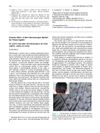
research Comma Hairs: A New Dermoscopic Marker for Tinea Capitis
Comma hairs are a new sign for identifying scalp fungal infections.
research Trichotillomania Across the Life Span
This article discusses the impact of trichotillomania on children, highlighting significant impairment and distress, but reports no new clinical findings.
research Trichotillomania in Childhood: A Sign of Emotional Distress
In this study, trichoscopy was identified as an effective tool for diagnosing trichotillomania in children, and a multidisciplinary, individualized approach along with family support was deemed essential for managing the condition and achieving sustained remission.

research Concept of tinea capitis
In this study, Trichophyton tonsurans and Microsporum canis were identified as the primary causes of tinea capitis, with terbinafine treatment showing the highest cure rate. Non-commercial kits surpassed real-time PCR commercial kits in specificity and sensitivity for diagnosis.

research Trichoscopy as a Useful Tool to Diagnose Telogen Effluvium
This study concluded that trichoscopy is an effective, non-invasive tool for diagnosing telogen effluvium, with significant differences in trichoscopic findings between frontal and occipital scalp regions, aiding in distinguishing it from androgenetic alopecia for early diagnosis.

research The Success of Thread-embedding Therapy in Generating Hair Re-growth in Mice Points to Its Possibly Having a Similar Effect in Humans
In this study, thread-embedding therapy enhanced hair regrowth in C57BL/6 mice by regulating growth factors associated with hair follicle anagen development and promoting cellular proliferation in hair follicles.
research Trichoscopy for common hair loss diseases: Algorithmic method for diagnosis
This study describes characteristic trichoscopic features of various hair loss diseases and proposes an algorithmic method for diagnosing them, but reports no new clinical results.
research Expression patterns of TRα and CRABPII genes in Chinese cashmere goat skin during prenatal development
This study reported variable expression levels of TRα and CRABPII genes during the prenatal development of cashmere goats, contributing to an understanding of hair follicle formation in these animals.
research Dermoscopic evaluation of therapeutic response to intralesional triamcinolone acetonide in the treatment of Alopecia areata
In this study, 70 patients with alopecia areata who received intralesional triamcinolone showed a significant reduction in black dots, yellow dots, broken hair, and tapering hair, while achieving a 60% success rate in hair regrowth.
research Contrast enhanced phototrichogram (CE-PTG): an improved non-invasive technique for measurement of scalp hair dynamics in androgenetic alopecia–validation study with histology after transverse sectioning of scalp biopsies.
This study found that contrast enhanced phototrichogram (CE-PTG) significantly improved detection of various hair types and growth stages in androgenetic alopecia compared to standard PTG and was comparable to biopsy analysis.
research Sequence and structure based assessment of non-synonymous SNPs in hypertrichosis universalis
This study concluded that specific SNPs in the TRPS1 gene significantly alter its protein structure, affecting interactions and contributing to the development of congenital hypertrichosis.

research Trichoscan: results using a 5% minoxidil topical solution in men with androgenetic alopecia
This study found that the TrichoScan effectively measures hair growth changes, showing significant increases in hair counts and thickness in men with androgenetic alopecia after 6 months of using 5% minoxidil solution.
research Metabolic study of androsta-1,4,6-triene-3,17-dione in horses using liquid chromatography/high resolution mass spectrometry
This study concluded that the best approach for detecting Androsta-1,4,6-triene-3,17-dione administration in horses is monitoring the metabolites M1b or M4 in urine, detectable up to 77 hours post-administration.