 December 2025 in “Lviv clinical bulletin”
 This review found that platelet-rich plasma therapy may enhance ovarian repair and fertility outcomes in ovarian insufficiency, but notes that optimal usage and long-term effects require further investigation.
 December 2025 in “GeroScience”
 This study found that both genetic and epigenetic factors significantly influence age-related facial skin aging, with lifestyle and environmental factors also playing a substantial role.
 December 2025 in “Journal of Ovarian Research”
 This study found that multiple vitamins, including B6, increased the number of growing follicles in newborn mouse ovaries in vitro. VB6 promoted primordial follicle activation via the PI3K/Akt signaling pathway in both cultured mouse and human ovarian tissues.
In this review, researchers highlighted the use of essential oils, praised for their antimicrobial and anti-inflammatory effects, in treating a variety of conditions, and noted their emerging role in dermocosmetics for issues like hyperpigmentation, acne, and skin aging.
In this study, only a small percentage of women with polycystic ovary syndrome reported using holistic management strategies, highlighting a need for increased focus on comprehensive approaches to managing the condition.
 September 2025 in “Reproductive health of woman”
 This study found that in women with polycystic ovary syndrome, taking metformin for three months significantly reduced serum levels of luteinizing hormone, follicle-stimulating hormone, and testosterone, suggesting a beneficial effect on managing hyperandrogenism.
 September 2025 in “Romanian Journal of Medical Practice”
 In this study of women with female pattern hair loss, iron deficiency was associated with the condition due to significantly lower serum ferritin and altered hematological indices compared to healthy controls, while no significant differences in serotonin levels or renal function were observed.
 September 2025 in “Dermatology and Therapy”
 This systematic review and meta-analysis found that platelet-rich plasma (PRP) therapy is effective in increasing hair density and reducing hair loss for alopecia, with variations in response based on activation status.
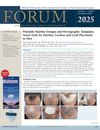 September 2025 in “International Society of Hair Restoration Surgery”
 This study introduces a new method using printable templates to create standardized and optimized hairlines in male hair transplantation, reportedly improving surgical precision and enabling consistent, aesthetically pleasing outcomes.
 July 2025 in “Archives of Sexual Behavior”
 This study found that while men's facial appearance, specifically attractiveness and masculinity, correlated with cardiometabolic indicators like insulin resistance and triglycerides, these links disappeared after adjusting for factors such as age, adiposity, and testosterone levels, suggesting that facial cues do not reliably indicate metabolic health.
 June 2025 in “Medical academic journal”
 The study found that hybrid nanoparticles incorporating exosomes with cationic liposomes 2X3-DOPE significantly improved the delivery of both messenger RNA and small interfering RNA to rat cardiac mesenchymal stem cells in vitro, achieving up to 100% transfection efficiency for small interfering RNA.
 March 2025 in “Pain Physician”
 This retrospective study found that applying local skin precooling before scalp nerve block significantly reduced injection site pain during PRP mesotherapy for patients with androgenetic alopecia, compared to those who did not receive precooling, thus improving patient comfort and compliance.
 January 2025 in “American Journal of Stem Cells”
 This review discusses the role of melanocyte stem cells in skin pigmentation and potential regenerative therapies, but reports no new clinical results.
 January 2025 in “Acta Dermatovenerologica Alpina Pannonica et Adriatica”
 This study found a high prevalence of alopecia in adolescents from northern Sudan, especially among females, and identified iron deficiency as significantly associated with the condition.
 November 2024 in “Cureus”
 This case report described a 43-year-old male with trichotillomania, experiencing severe alopecia and an ulcerated plaque, who improved with a combination of antibiotic, antidepressant, and psychotherapy treatments, suggesting that these interventions may benefit individuals with psychiatric comorbidities linked to this condition.
 October 2024 in “Irish Journal of Medical Science (1971 -)”
 In this study, TENS of the T6 dermatome over a longer term was explored for its effects on weight, blood pressure, heart rate, and appetite-regulating hormones in obese subjects with moderate obstructive sleep apnea; however, results are not reported in the abstract.

In this case report, researchers documented a 19-year-old male professional athlete with acquired trichorrhexis nodosa, noting environmental factors like chlorine exposure during swimming may have contributed to his condition, which improved after advice on hair care changes.

This study is designed to explore how circadian rhythms are affected by obesity and mental health conditions, such as schizophrenia and bipolar disorder, using biological and lifestyle data from independently living adults.

This manuscript discusses a large-scale cross-sectional analysis on addressing variance in responses to a set of questions by identifying underlying factors, but specific results are not reported in the abstract.
 June 2024 in “Dermatology and Therapy”
 In this study, patients with alopecia areata who experienced sustained hair regrowth while being treated with baricitinib showed improvements in health-related quality of life and reductions in anxiety and depression symptoms over 104 weeks, according to the BRAVE-AA phase III trials.
In this study, low-dose oral minoxidil was found to have a favorable safety profile for treating alopecia, with mostly mild side effects, in both general and hypertensive populations.
 January 2024 in “Pediatria Polska”
 This study found that long-COVID symptoms in children with multisystem inflammatory syndrome did not differ significantly across SARS-CoV-2 variants, with factors like age being more impactful.
 December 2023 in “Journal of the Endocrine Society”
 In this study, the researchers found that glucocorticoid receptor activation may influence glucose metabolism, with preventive GR antagonist treatment reducing hyperglycemia and restoring glucose tolerance in a PCOS mouse model.
 October 2023 in “Dermatology practical & conceptual”
 This study found that pulse corticosteroids effectively induce hair regrowth in alopecia areata, with betamethasone showing higher efficacy but more side effects, and treatment success varying depending on age, onset time, and disease type.
 October 2023 in “Dermatology practical & conceptual”
 This study observed that among 120 patients recovering from COVID-19, severe diffuse hair loss typically began less than two months post-infection, with the majority of patients experiencing a severe degree of hair loss and positive hair pull tests, often alongside vitamin D deficiency.
 October 2023 in “Cognizance journal”
 This study explores using agent-based modeling and nutrition science to predict and treat oral and dental diseases as alternatives to traditional incarceration for managing criminal behavior, but results are not reported.
 September 2023 in “Reproductive health of woman”
 This review examines the prevalence and symptoms of polycystic ovary syndrome (PCOS) across different ages, highlighting its varied dermatological and reproductive implications, but reports no new research findings.
 September 2023 in “Dermatology and therapy”
 In this phase 2b/3 trial, ritlecitinib showed effectiveness in treating alopecia areata patients with varying hair loss profiles, significantly improving patient-reported outcomes for hair regrowth and satisfaction compared to placebo, regardless of the hair loss type and extent at baseline.
 July 2023 in “SAS journal of medicine”
 In this study, the researchers identified traumatic styling practices, such as frequent hair straightening, as a dominant cause of alopecia among women aged 15 to 45 in a dermatology setting, noting that rural women also experienced inflammatory alopecia linked to different etiologies.

In this study, Korean patients with systemic lupus erythematosus had a worse perception of the COVID-19 vaccine compared to the influenza vaccine, with higher reported adverse events and concerns about causing lupus flares.