 4 citations
,
March 2019 in “Journal of Pure and Applied Microbiology”
4 citations
,
March 2019 in “Journal of Pure and Applied Microbiology” This study investigated the anti-inflammatory effects of a 940nm diode laser in Wistar rats with carrageenan-induced arthritis and found that a 74J/cm² energy density significantly reduced edema and restored function, whereas 171J/cm² neared thermal exposure limits for the skin.
September 2025 in “Radboud University Press eBooks” This study investigated AHR signaling's role in skin biology and reported that novel AHR ligands may help restore keratinocyte function and reduce inflammation in skin diseases, suggesting their potential as therapeutic agents.
77 citations
,
September 2017 in “Journal of Investigative Dermatology” This study found that TRPV3 ion channels on human epidermal keratinocytes suppress cell proliferation, induce cell death, and trigger a proinflammatory response, suggesting a role in cutaneous inflammatory processes.
 15 citations
,
July 2004 in “Journal of morphology”
15 citations
,
July 2004 in “Journal of morphology” This study analyzes the fine structure and protein distribution in monotreme hairs, finding similarities with other mammals and detailing unique immunocytochemical features in their inner root sheaths.
18 citations
,
February 2025 in “Macromolecular Rapid Communications” In this review, researchers explored thermo-responsive polymers and their applications in nanomedicine, highlighting their role in targeted drug delivery, gene therapy, and imaging, enabled by their temperature-sensitive phase transitions to ensure localized therapeutic action and minimize damage to healthy tissues.
January 2026 in “Journal of Dermatological Science” This study suggests that DcR3 can reprogram macrophages towards a reparative state, enhancing wound healing and hair follicle regeneration, making it a potential target for treating chronic wounds and alopecia.
 286 citations
,
April 2009 in “The journal of neuroscience/The Journal of neuroscience”
286 citations
,
April 2009 in “The journal of neuroscience/The Journal of neuroscience” This study found that TRPA1-deficient mice exhibited normal cold sensitivity but had decreased mechanical response in nociceptors, suggesting TRPA1's role in mechanotransduction.
November 2025 in “Veterinary and Animal Science” This study found that both dark and white dromedary camels exhibited high medullation in hair fibers, suggesting adaptations for insulation and heat dissipation in hot desert environments.
10 citations
,
April 2020 in “Journal of Mind and Medical Sciences” Excimer laser therapy can be an alternative for treating superficial morphea when topical steroids don't work.
October 1984 in “Immunology Today” 61 citations
,
January 2013 in “International Journal of Biological Macromolecules” This study found that applying both dehydrothermal treatment and carbodiimide crosslinking improved the mechanical properties of porcine acellular dermal matrix scaffolds without added cytotoxicity, suggesting potential applications in tissue engineering.
 133 citations
,
May 2016 in “Cell Host & Microbe”
133 citations
,
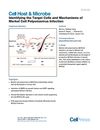
May 2016 in “Cell Host & Microbe” In this study, human dermal fibroblasts were identified as natural host cells that support productive Merkel cell polyomavirus infection, and the MEK antagonist trametinib was introduced as an effective inhibitor to control the virus.
21 citations
,
June 2023 in “Proceedings of the National Academy of Sciences” This study found that human scalp hair significantly reduces solar radiation intake, with more tightly curled hair offering greater protection against heat gain compared to a naked scalp.
January 2024 in “Toxicologic Pathology” This review outlines the structure and functions of the skin, emphasizing its role as a physical and immune barrier, its moisture regulation, the influence of its microbiome, and the supportive functions of its layers and adnexa.
16 citations
,
June 1992 in “Journal of Investigative Dermatology” 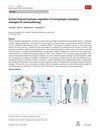
This review highlights that surface mechanical regulation can program macrophage behavior through specific mechanical cues on material surfaces, potentially advancing immunotherapies and regenerative medicine by enabling precise control over macrophage functions.
November 2025 in “Bioactive Materials” In this study, researchers developed a DNA/GelMA-based cryogel platform that uses phototherapy to combat MRSA infection and promote scarless wound healing, showing enhanced bactericidal activity, tissue regeneration, and anti-inflammatory effects in vivo, suggesting a promising approach for treating infected skin wounds.
22 citations
,
January 2012 in “Mediators of inflammation” This review discusses the potential benefits of nonantibiotic macrolides for treating inflammatory skin disorders and reports no new clinical results.
3 citations
,
October 1994 in “Journal of Dermatological Science” This study developed a novel monoclonal antibody, TYHF-1, which specifically reacts with hair keratins but not with epidermal keratins or various other tissue cells.
 August 2018 in “Journal of the American Academy of Dermatology”
 A new cosmetic cream reduced facial redness and skin temperature after 4 weeks of use.
3 citations
,
May 2025 in “Lasers in Surgery and Medicine” This study suggested that MRF may support skin regeneration and rejuvenation by promoting collagen synthesis and regulating factors involved in fibroblast activation and ECM remodeling, with preliminary findings indicating ADSCs might aid these processes.
 67 citations
,
January 2020 in “Cellular & Molecular Immunology/Cellular & molecular immunology”
67 citations
,
January 2020 in “Cellular & Molecular Immunology/Cellular & molecular immunology” This review discusses the dual role of tissue-resident memory T cells in providing immune protection against infections and cancer and contributing to autoimmune skin disease pathology, without presenting new experimental results.
 14 citations
,
July 2012 in “Journal of the American Academy of Dermatology”
14 citations
,
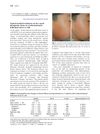
July 2012 in “Journal of the American Academy of Dermatology” This study found that topical tacalcitol improved roughness and scaling in erythromelanosis follicularis faciei et colli, although it was less effective for facial erythema.
10 citations
,
August 1998 in “Journal of Investigative Dermatology” July 2025 in “Journal of Investigative Dermatology” TRIV-509 quickly improves skin barrier and cell health in atopic dermatitis.
 January 2024 in “OPAL (Open@LaTrobe) (La Trobe University)”
 In this study, researchers explored various aspects of the TRPV3 ion channel, including its novel mechanosensitivity to shear stress, and identified novel agonists while investigating how repeated stimulation affects TRPV3 activity, but found no evidence of GPCRs sensitizing the channel.
 April 2017 in “Journal of Investigative Dermatology”
 In this study, CTCF was found to play essential roles in epidermal differentiation and skin barrier formation, simultaneously acting as a suppressor of epithelial inflammatory responses in mouse skin.
September 2011 in “European journal of cancer” In this study, calcium imaging in transgenic mice revealed that non-neuronal TRPV4 in the skin enhances afferent signaling during electrical stimulation, suggesting a role for neuroimmune interaction in acupuncture signal initiation.
January 2014 in “eScholarship (California Digital Library)” In this study, researchers observed that TLR3 and scavenger receptors play key roles in skin barrier repair following UVB damage, contributing to our understanding of cellular responses to skin injury.