3 citations
,
March 2024 in “Viruses” This study found that γδ T cells in the skin contribute to wound healing after vaccinia virus infection by promoting cytokine and growth factor induction, without affecting virus replication control.
1 citations
,
January 2004 in “Wieś Jutra” This study suggests that finasteride may inhibit testosterone-induced expression of TGF-beta1 and type I procollagen, potentially explaining its role in preventing perifollicular fibrosis in androgenetic alopecia.
![2-Deoxy-2-[18F]Fluoro-D-Glucose Positron Emission Tomography/Computed Tomography](/images/assets/35fab163-57b7-4db8-b1e0-2929b51b2144/small/60162.jpg) January 2016 in “Electronic Theses of LMU Munich (Ludwig-Maximilians-Universität München)”
January 2016 in “Electronic Theses of LMU Munich (Ludwig-Maximilians-Universität München)” FDG PET/CT can improve cancer treatment plans in dogs.
In this study, researchers found that follicular and epidermal transglutaminases are biochemically and immunologically distinct, suggesting the possibility of selectively modifying hair or epidermal proteins.
 September 2013 in “Hair transplant forum international”
 This abstract describes frontal fibrosing alopecia, a type of cicatricial alopecia identified in post-menopausal women, and reports no new clinical findings.
11 citations
,
November 2020 in “Advanced Functional Materials” This study found that a prevascularized collagen fiber space improved hair generation compared to intracutaneous transplantation by providing a better microenvironment for transplanted cells.
148 citations
,
October 1997 in “Journal of Investigative Dermatology” TGF-β receptors are crucial for hair follicle development.
April 2023 in “Journal of Investigative Dermatology” This study identified TGFβ-2 as a potential driver of progenitor cell loss in hair follicles from early androgenetic alopecia scalps, suggesting its role in the condition's molecular disturbances.
 July 2026 in “Functional Foods in Health and Disease”
 In this study, oral administration of strawberry guava extract promoted hair growth in both mice and humans, with active components like adenosine, fructose, digalactosyldiacylglycerol, and pedunculagin contributing by enhancing skin blood flow and activating dermal papilla cells.
EGF affects hair and skin development.
 May 2022 in “International journal of infectious diseases”
 In this case study, a 70-year-old woman with generalized favus caused by Trichophyton schoenleinii achieved a clinical and mycological cure after a one-month terbinafine treatment.
 January 2008 in “Vestnik Tomskogo gosudarstvennogo universiteta Filologiya”
 This study found that overexpressing thymosin beta-4 in transgenic cashmere goats could potentially increase cashmere yield by boosting the number of secondary hair follicles.
November 2010 in “SciVee” August 2025 in “International Journal of Molecular Sciences” This study found that arginine vasotocin is evolutionarily conserved across diverse taxa and may play roles in neuroendocrine, immune, and stress signaling, with potential antimicrobial applications.
 16 citations
,
June 2009 in “Dermatologic Surgery”
16 citations
,
June 2009 in “Dermatologic Surgery” This abstract does not contain research results or findings.
 September 2017 in “Journal of Investigative Dermatology”
 This study found that infrared thermography might be a useful non-invasive tool to help diagnose frontal fibrosing alopecia by identifying active phases of the disease.
 23 citations
,
January 2021 in “Scientific Reports”
23 citations
,
January 2021 in “Scientific Reports” In this study, hair follicle germs containing vascular endothelial cells showed improved hair regeneration and morphogenesis-related gene expression in mice, suggesting a promising strategy for hair regenerative medicine.
44 citations
,
January 2011 in “Journal of biotechnology” This study successfully recreated human hair follicles in vitro, which offers a potential advancement in hair regeneration and understanding the effects of drugs on hair follicles.
2 citations
,
June 2018 in “International Journal of Pharmacological Research” This article reviews treatments for progeria, including aspirin, hydrotherapy, and farnesyl transferase inhibitors, but reports no new clinical results.
This study found that administering gingerol improved survival and reduced organ damage in mouse models of chronic graft-versus-host disease by modulating T cell differentiation and inflammatory cytokines, suggesting a novel therapeutic approach for steroid-refractory cases.
16 citations
,
April 2000 in “Journal of Investigative Dermatology” The study reports that the AVET system showed higher efficiency in transfecting cultured human keratinocytes compared to SuperFect and PrimeFector, with AVET reaching levels of enzyme activity similar to normal cells in keratinocytes from lamellar ichthyosis patients.
5 citations
,
June 2022 in “Biophysical Journal” This study used a probabilistic Boolean network model to explore hair follicle cell fate regulation and predicted that varying TGF-β levels, in coordination with BMP and TNF, can influence either apoptosis or cell proliferation during different follicle growth stages.
 6 citations
,
January 2017 in “British Journal of Dermatology”
6 citations
,
January 2017 in “British Journal of Dermatology” This article reviews frontal fibrosing alopecia, exploring its characteristics, demographics, and associated conditions, and calls for controlled trials due to an increase in worldwide cases; it reports no new findings.
 April 2018 in “Journal of Investigative Dermatology”
 In this study, topical tofacitinib significantly promoted hair regrowth in mice, outpacing both minoxidil and controls over 21 days, with findings suggesting increased VEGF levels and decreased inflammation as possible mechanisms.
4 citations
,
August 2025 in “Journal of Food Science” This review highlights that Tremella fuciformis polysaccharide exhibits various bioactivities, such as antioxidant and immune-modulating effects, and explores its potential applications in food, pharmaceutical, and cosmetic industries.
December 2022 in “Clinical and experimental dermatology and therapies” In this study, the addition of a topical gel containing growth-factor mimicking oligopeptides and other ingredients showed improved efficacy in subjects with androgenic alopecia using minoxidil or finasteride compared to drug treatment alone.
56 citations
,
March 1991 in “Journal of Investigative Dermatology” 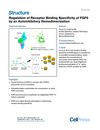 24 citations
,
July 2017 in “Structure”
24 citations
,
July 2017 in “Structure” In this study, researchers found that ligand homodimerization controls the receptor binding specificity of the FGF9 subfamily, preventing off-target activation of FGFR "b" isoforms.
9 citations
,
April 2024 in “The Oncologist” This study found that sacituzumab govitecan improved health-related quality of life in most areas for patients with HR+/HER2− metastatic breast cancer compared to chemotherapy, except for increased diarrhea, supporting its use as a treatment option.
3 citations
,
June 2021 in “Frontiers in genetics” This study found that STAT3 directly inhibited the activity of the sheep FST gene promoter, consequently reducing cell proliferation and promoting a better understanding of hair follicle development mechanisms.