 June 2017 in “Journal of The American Academy of Dermatology”
 Tapinarof cream at 1% concentration is effective and better tolerated for treating atopic dermatitis than the 2% concentration.
September 2023 in “Journal of the American Academy of Dermatology” This study examined the application of new clinical guidelines for diagnosing frontal fibrosing alopecia in 18 men, highlighting that current diagnostic criteria may often overlook early beard involvement and sideburn recession.
34 citations
,
July 2020 in “American journal of human genetics” This study identified mutations in the SREBF1 gene that impair SREBP1 function, potentially contributing to IFAP syndrome by affecting skin, hair, and eye development.
4 citations
,
March 2023 in “Molecules/Molecules online/Molecules annual” This study successfully extracted gallic acid and ferulic acid using a biocompatible aqueous two-phase system, suggesting a sustainable approach for producing antioxidants as food supplements for hair health.
 1 citations
,
May 2024 in “Dermatology and Therapy”
1 citations
,
May 2024 in “Dermatology and Therapy” This review article examines the current understanding of frontal fibrosing alopecia, noting its prevalence in different demographics and the roles of genetic and environmental factors in its pathogenesis, while highlighting that treatment approaches remain varied and lack standardization.
24 citations
,
September 2019 in “Experimental cell research” This study found that BMP2 increased PTEN expression and induced autophagy, promoting hair follicle stem cell differentiation in both in vitro models and a mouse wound model.
 1 citations
,
April 2018 in “Journal of Investigative Dermatology”
1 citations
,
April 2018 in “Journal of Investigative Dermatology” This study found that FZD2 is crucial for hair follicle formation and postnatal growth in mice and has a novel role in regulating early epidermal development, including stratification and cornification.
 April 2023 in “Journal of Investigative Dermatology”
 This study reports distinctive clinical, trichoscopic, and histopathological features of fibrosing alopecia in a pattern distribution among Chinese patients, suggesting possible racial differences compared to previous studies primarily involving Caucasians.
 January 2024 in “Genetics in Medicine Open”
 In this report, two adult patients with Tatton-Brown-Rahman syndrome exhibited new cardiac features, such as atrial fibrillation and ventricular and atrial dilatation, highlighting the importance of cardiovascular follow-up in adults with this condition.
83 citations
,
February 1991 in “Development” This study found that Fos protein expression is closely linked to epithelial cell differentiation, particularly during cornification and cell death, with overexpression observed in keratinization-blocked mutant epidermis.
32 citations
,
July 2017 in “Oncotarget” This study found that intermittent treatment with FTI lonafarnib and sulforaphane may be a promising therapeutic approach for children with Hutchinson-Gilford progeria syndrome, as it improved the cellular phenotype.
 5 citations
,
January 1985 in “Facial Plastic Surgery”
5 citations
,
January 1985 in “Facial Plastic Surgery” Flap surgery is effective for treating male baldness, offering immediate results with dense hair growth.
39 citations
,
November 2005 in “The journal of investigative dermatology/Journal of investigative dermatology” The study concluded that fatty acid transport protein 4 in epidermal keratinocytes is crucial for maintaining normal skin structure, as its deficiency led to hyperkeratosis and epidermal barrier disruption in mice.
1 citations
,
January 2013 This review explores the therapeutic applications of bimatoprost, including its role in glaucoma treatment, hair growth stimulation, and potential effects on fat deposition, but reports no new experimental findings.
36 citations
,
October 2009 in “Journal of biological chemistry/The Journal of biological chemistry” This study reports that TFM-4AS-1, a selective androgen receptor modulator, promoted bone and muscle growth with reduced effects on reproductive organs in ovariectomized rats.
August 2019 in “Journal of the American Academy of Dermatology” Frontal fibrosing alopecia may be caused by an autoimmune reaction and hormonal imbalance.
April 2019 in “Journal of Investigative Dermatology” Targeting immune pathways like JAK/STAT may help treat frontal fibrosing alopecia.
 7 citations
,
January 2012 in “PubMed”
7 citations
,
January 2012 in “PubMed” In this study, azelaic acid 20% and finasteride increased BCL-2 protein expression and decreased bax protein expression in rats after skin flap surgery, suggesting a potential antiapoptotic role in reducing ischemia-induced damage.
7 citations
,
December 2023 in “International Journal of Molecular Sciences” This study demonstrated that Forsythiaside A protected against oxidative stress in both cell models and a mouse model of liver damage, suggesting its potential as a liver-protective agent.
 32 citations
,
September 2017 in “Journal of the American Academy of Dermatology”
32 citations
,
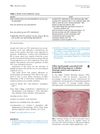
September 2017 in “Journal of the American Academy of Dermatology” In this study, researchers reported that oral isotretinoin effectively treated facial papules in frontal fibrosing alopecia, with histopathologic findings suggesting the involvement of elastic fibers and sebaceous glands in papule formation beyond perifollicular inflammation.
January 2025 in “International Journal of Pharmaceutics” In this study, gelatin-coated transferosomes were developed to deliver tofacitinib specifically to hair follicles, resulting in 80% hair regrowth in alopecia areata patients with recalcitrant lesions after 12 weeks of treatment.
 April 2012 in “Informa Healthcare eBooks”
 Temporal triangular alopecia is a lifelong condition with hairless patches on the side of the head that may be present from birth.

In this case study, a 36-year-old male with symptoms of keratosis pilaris atrophicans faciei and frontal fibrosing alopecia tested negative for a specific mutation, highlighting genetic testing's potential to improve diagnosis and treatment outcomes in these similar conditions.
July 2021 in “British Journal of Dermatology” In this study, the researchers reported that early diagnosis and treatment of fibrosing alopecia in a pattern distribution may arrest or potentially reverse disease progression, though some patients experienced continued hair loss.
November 2024 in “Dermatology and Therapy” In this review, cosmetic practices such as non-ablative lasers, autologous fat injections, and oral isotretinoin may help alleviate certain symptoms of frontal fibrosing alopecia, while treatments like deep chemical peels and ablative laser therapies are contraindicated due to potential scarring risks.
2 citations
,
September 2011 in “InTech eBooks” This article describes a procedure involving skin marking, tumescent anesthesia, and micrograft mobilization, but does not present any study findings or results.
 2 citations
,
July 2022 in “Frontiers in Medicine”
2 citations
,
July 2022 in “Frontiers in Medicine” This review discusses the current understanding of frontal fibrosing alopecia's pathogenesis, highlighting genetic susceptibility, immune response involvement, and possible links to steroid hormones, but reports no new clinical results.
 24 citations
,
April 2017 in “Aesthetic plastic surgery”
24 citations
,
April 2017 in “Aesthetic plastic surgery” In this study, micro-autologous fat transplantation (MAFT) for frontal augmentation using the MAFT-GUN showed high patient satisfaction and no complications among 178 patients, suggesting it may be a reliable method for forehead contouring.
 11 citations
,
January 2018 in “Acta dermato-venereologica”
11 citations
,
January 2018 in “Acta dermato-venereologica” In this study, oral tofacitinib showed higher efficacy and tolerability in treating refractory alopecia totalis and universalis compared to traditional treatments, achieving a 50% improvement in severity scores for 44.4% of patients over six months, with fewer adverse effects.
1 citations
,
February 2025 in “Pediatric Dermatology” This study found that oral tofacitinib achieved significant hair regrowth in children with moderate to severe alopecia areata, with 72.2% reaching a 75% improvement and 52.8% achieving complete regrowth, though some patients did not respond and further research is needed on the treatment's long-term effects.