 3 citations
,
January 2019 in “Elsevier eBooks”
3 citations
,
January 2019 in “Elsevier eBooks” This article discusses the importance of interpreting laboratory data and performing physical assessments to support pharmacists in clinical decision-making and patient consultations, but reports no new empirical findings.
 2 citations
,
November 2020 in “Scientific Reports”
2 citations
,
November 2020 in “Scientific Reports” This study reported that metallic-glass-coated tattoo needles reduced trauma and improved tattoo quality in pig skin experiments compared to uncoated needles.
 2 citations
,
July 2020 in “Journal of Applied Pharmaceutical Science”
2 citations
,
July 2020 in “Journal of Applied Pharmaceutical Science” This study examined the preservative and antimicrobial susceptibility of non-fermenting bacilli collected from beauty salon waste in Brazil.
 1 citations
,
January 2021 in “Advances in animal and veterinary sciences”
1 citations
,
January 2021 in “Advances in animal and veterinary sciences” This study observed a high prevalence of the dermatophyte M. canis in humans and pets in Egypt, particularly highlighting the potential for zoonotic transmission from dogs and cats to humans.

In this study, Neeli Bhringadi hair oil showed statistically significant improvements in hair growth rate, density, thickness, and reduction in premature graying on participants with androgenetic alopecia and hair graying over 120 days, supporting its potential use in integrative hair care.
 July 2026 in “Clinical Cosmetic and Investigational Dermatology”
 In this study, a liposomal-encapsulated Sesbania grandiflora formulation significantly improved hair and scalp health in adults with hair loss over 180 days, showing enhanced hair density, thickness, growth rate, and tensile strength compared to placebo, with no related adverse events reported.
 June 2026 in “International Journal of Drug Delivery Technology”
 This study developed EGCG-loaded nanohydrogels using ethyl cellulose and polyvinyl alcohol to enhance the stability and delivery of the hydrophilic drug in aloe vera gel, optimizing encapsulation efficiency and drug release properties.
 March 2026 in “Frontiers in Pharmacology”
 The study concluded that the Exprecell™ device for preparing anticoagulant-free f-PRF increases volume yield and simplifies the process while maintaining biological activity comparable to conventional methods, suggesting potential clinical utility.
 January 2026 in “AYUSHDHARA”
 This study compared two Ayurvedic treatments for alopecia and found that applying Chirabilwa Lepa after Prachanna led to significantly better improvement in hair regrowth than using Gunja Lepa after Prachanna among the 60 patients studied.
 December 2025 in “International Journal of Medicine and Public Health”
 In this study, researchers found that overt hyperthyroidism was the most prevalent thyroid disorder among patients, especially in women, and it was characterized by classic symptoms like high pulse rate and weight loss, highlighting the importance of early identification and management to prevent complications.
 November 2025 in “Frontiers in Veterinary Science”
 In this study, zinc supplementation at 2.00 g/camel/day improved hair growth in lactating camels but did not affect milk production, while for calves, doses of 0.50–0.75 g/camel/day enhanced growth and hair development.
 October 2025 in “Indian Journal of Plastic Surgery”
 This review reports significant advancements in plastic surgery using stem cell therapies for aesthetic and reconstructive applications, including grafting and wound healing, though it underscores the need for continued research to address regulatory, ethical, and standardization issues.
 September 2025 in “Clinical Cosmetic and Investigational Dermatology”
 In this randomized, placebo-controlled study, Kūlaris supplementation significantly improved quality of life for participants with mild-to-severe acne over 12 weeks, though no significant changes in general skin health measures were observed compared to placebo.
August 2025 in “Tropical Journal of Natural Product Research” This study found that aerosols formulated with celery extract and candlenut oil significantly stimulated hair growth in rabbits without causing skin irritation, suggesting their potential as natural and safe alternatives for treating alopecia.
 February 2024 in “Research Square (Research Square)”
 This study optimized the extraction process for abomasum protein from Tianshan red deer, identifying two proteins with anti-inflammatory and anti-tumor activities, suggesting they could be beneficial in foods and nutraceuticals.
 December 2023 in “Journal of materials chemistry. B”
 This study found that a nanoemulsion containing perfluorooctyl bromide effectively increased oxygen levels in an anoxic environment, enhancing hair dermal papilla cell growth and significantly promoting hair organ elongation.
 October 2023 in “Clinical medicine and medical research”
 This study indicates that higher thyroid-stimulating hormone levels may be linked to post-COVID-19 hair loss in women, while ferritin levels showed no significant correlation.

This study found that all examined biomarkers and clinical features were elevated in systemic lupus erythematosus patients, particularly ANA and Anti-dsDNA autoantibodies, but no single biomarker was sensitive or specific enough for diagnosis.
 February 2020 in “International Journal of Advanced Research”
 This article discusses the development of a Garcinia Cambogia enriched snack intended for managing PCOS but reports no new clinical results.
 September 2016 in “Springer eBooks”
 This review discusses the application of mesenchymal stem cells and their secretory factors for skin and hair regeneration and reports no clinical results; the authors highlight the progress and call for practical applications.
 January 2006 in “mediaTUM – the media and publications repository of the Technical University Munich (Technical University Munich)”
 This study found that carbon and nitrogen isotope analysis of cattle hair reflects dietary and farm system differences, offering insights into cattle nutritional ecology and agroecosystem characteristics.
 January 2024 in “Regenerative Biomaterials”
 In this study, researchers developed a biodegradable microneedle made of hyaluronic acid, intended to enhance drug delivery through the skin's stratum corneum and potentially promote hair growth by overcoming the skin's barrier function in alopecia treatment.
 378 citations
,
November 2011 in “Human reproduction update”
378 citations
,
November 2011 in “Human reproduction update” This review discusses the epidemiology, causes, diagnosis, and management of hirsutism in women, noting that effective treatment requires addressing the root cause as well as the hair growth.
 316 citations
,
June 2004 in “The journal of investigative dermatology/Journal of investigative dermatology”
316 citations
,
June 2004 in “The journal of investigative dermatology/Journal of investigative dermatology” This study found that using a standardized protocol with microspheres of approximately 1.5 micrometers enhances penetration into hair follicles, particularly when skin is treated with cyanoacrylate skin surface stripping.
 277 citations
,
July 2002 in “Molecular Endocrinology”
277 citations
,
July 2002 in “Molecular Endocrinology” In this study, homozygous VDR null mutant mice exhibited nonfunctional vitamin D receptors, leading to growth abnormalities and revealing the limited physiological importance of vitamin D pathways outside the classical receptor.
 193 citations
,
January 2015 in “International journal of trichology”
193 citations
,
January 2015 in “International journal of trichology” This review examines hair cosmetics, including shampoos and conditioners, for their formulations and effects, but reports no new clinical findings; it emphasizes the importance of dermatologist knowledge in treating diverse hair conditions.
 192 citations
,
April 2019 in “ACS nano”
192 citations
,
April 2019 in “ACS nano” In a mouse model, this study demonstrated that a microneedle patch system using keratin and integrated with MSC-derived exosomes and UK5099 promoted hair regrowth more efficiently than traditional delivery methods.
 191 citations
,
September 2011 in “Cell stem cell”
191 citations
,
September 2011 in “Cell stem cell” This study found that polycomb-group-mediated repression plays a key role in regulating hair follicle stem cell states and lineage progression by distinct mechanisms in adult mouse skin.
 172 citations
,
December 2004 in “Journal of The American Academy of Dermatology”
172 citations
,
December 2004 in “Journal of The American Academy of Dermatology” In this study, demodicoses were found to be relatively common among immunocompetent patients, with a notable overlap with papulopustular rosacea.
 161 citations
,
July 2003 in “ACM Transactions on Graphics”
161 citations
,
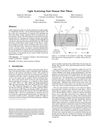
July 2003 in “ACM Transactions on Graphics” In this study, a new shading model for hair was developed that better matches real-life light scattering, thanks to detailed new measurements of hair fiber scattering not predicted by existing models.