 November 2023 in “npj regenerative medicine”
 This study found that engineered reconstituted skin can form morphogenetic units that promote tissue patterning and hair regeneration, with certain signaling pathways restoring this ability in adult and fetal cells.
 September 2023 in “Reproductive health of woman”
 This review examines the prevalence and symptoms of polycystic ovary syndrome (PCOS) across different ages, highlighting its varied dermatological and reproductive implications, but reports no new research findings.
 September 2023 in “Research Square (Research Square)”
 This study found that TNC + fibroblasts are crucial in neuro-immune interactions in various skin diseases, particularly inflammation and tumors, by engaging extensively with immune cells and overexpressing inflammatory genes, suggesting their significant role in skin abnormalities.
 August 2023 in “Malaysian Journal of Medicine and Health Sciences/Malaysian journal of medicine and health sciences”
 This study found that aqueous extract of Pueraria mirifica, when administered to a rat model, significantly reduced prostate weight, prostatic index, and serum dihydrotestosterone levels, while also improving prostate histomorphology, suggesting its potential as an anti-BPH treatment.
 January 2023 in “Acta historiae medicinae stomatologiae pharmaciae medicinae veterinariae”
 This article reviews historical uses of male red deer parts in traditional medicine but provides no new research findings; it emphasizes their long-standing role in treatments for various health issues.
 January 2023 in “International journal of biological sciences”
 This study found that ATP synthases and the mitochondrial gene COX2 play a key role in determining the size of skin appendages in hedgehogs and mice by influencing energy metabolism and cell proliferation.
 October 2022 in “Journal of experimental and clinical medicine”
 This review covers the potential of repurposing existing drugs for treating COVID-19 and updates on virus- and host-targeting drug candidates, reporting no new experimental results.
 September 2021 in “International journal of Ayurveda and pharma research”
 In this case report, a patient with subclinical hypothyroidism exhibited a significant reduction in TSH levels after four months of ayurvedic treatment, but levels slightly increased afterward.
 November 2019 in “Journal of Aesthetic Nursing”
 This article reviews the classifications and characteristics of androgenic alopecia and provides no new clinical results; it emphasizes the importance for aestheticians to understand current treatment evidence.
 April 2018 in “Journal of Ayurvedic and herbal medicine”
 This study highlights the role of bioinformatics and in-silico studies for identifying drug targets, specifically in herbal drugs, using software and modern techniques to analyze data and model disease pathways before later-stage in vivo and in vitro testing.
 January 2013 in “Springer eBooks”
 Hair care products are important for appearance and self-esteem, and choosing the right ones can help maintain healthy hair.
 January 2012 in “heiDOK (Heidelberg University)”
 In this study, researchers observed that dormant TRP-2+ melanoma cells in bone marrow can interact with CD8+ T cells in tumor-bearing ret transgenic mice, potentially influencing immune responses.
 December 2011 in “Asia-Pacific biotech news”
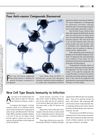
 This collection of research news highlights various scientific advancements, including discoveries in anti-cancer compounds, new cell types that boost immunity, and a potential Parkinson's breakthrough in Australia, among others from China, India, Korea, Singapore, and Thailand.

This chapter explores the potential of phytochemicals in modulating human endocrine function, emphasizing the growing interest in plant-derived alternatives to synthetic medications for managing metabolic and hormonal disorders often linked to chemical exposures and lifestyle factors.

This study investigated the mechanisms of Platycladi Cacumen in treating androgenetic alopecia, identifying potential key components and targets but found no specific targets or regulatory mechanisms.
 October 2025 in “Pakistan Journal of Health Sciences”
 This study found that low serum ferritin levels were significantly associated with non-scarring alopecia in women from Punjab, Pakistan, suggesting that assessing ferritin could help identify iron deficiency as a modifiable factor in hair loss.
 September 2025 in “Romanian Journal of Medical Practice”
 In this study of women with female pattern hair loss, iron deficiency was associated with the condition due to significantly lower serum ferritin and altered hematological indices compared to healthy controls, while no significant differences in serotonin levels or renal function were observed.
 January 2024 in “Journal of Pharmacognosy and Phytochemistry”
 This study demonstrated that aqueous and hydroethanolic extracts of Catharanthus roseus and Schwenckia americana showed no acute oral toxicity at the tested dose in rats, although histological changes in kidney and liver tissues were observed.

This study introduces Kalya Research, an AI-driven tool designed to identify and categorize literature on complementary and alternative medicines, showing its effectiveness compared to Medline in finding relevant alopecia research within the context of breast cancer patients.
 August 2021 in “Research Square (Research Square)”
 This study found that BEO inhibited cell proliferation and inflammatory mediator release in a human keratinocyte acne model and reduced acne lesion severity in a rabbit model, suggesting its potential as a natural alternative to conventional acne treatments.

This study found that multimodal recruitment strategies successfully achieved target recruitment quickly and created a racially diverse cohort to study ovulation and menstruation health, with higher survey completion rates noted among participants recruited via the internet and community fairs than in clinics.
 19 citations
,
May 2020 in “Cells”
19 citations
,
May 2020 in “Cells” This study found that 5% primed conditioned medium from human umbilical cord blood-derived mesenchymal stromal cells significantly improved hair density, thickness, and growth rate in patients with androgenetic alopecia.
 1 citations
,
February 2004 in “Dermatologic Surgery”
1 citations
,
February 2004 in “Dermatologic Surgery” This study found that using deep plane fixation during scalp surgeries significantly reduced closure tension and allowed for increased tissue excision compared to standard techniques without fixation.
 February 2004 in “Dermatologic Surgery”
 This study found that deep plane fixation in scalp surgeries allowed for tension-reduced wound closures and increased tissue excision compared to techniques without deep plane fixation.
 December 2018 in “Journal of harmonizrd research in applied science”
 This article discusses the development of a management strategy for baldness using complementary medicine, particularly Ayurveda and yoga, but reports no clinical results; further studies are needed.
 September 2024 in “Complementary Medicine Research”
 Traditional Persian medicine helped a woman with resistant hyperthyroidism improve and stabilize her condition.
 5 citations
,
January 2018
5 citations
,
January 2018 This study optimized a screening assay to identify molecules that inhibit or enhance TRPM5 ion channel activity, which may have implications for treating dysfunctions linked to cardiac arrhythmias and diabetes.
3 citations
,
May 2018 in “Psychiatry and Clinical Psychopharmacology” In this report, an 18-year-old female with trichotillomania was successfully treated using the glutamate modulator n-acetylcysteine.
 January 2017 in “International journal of science and research”
 This review discusses treatment options for trichotillomania, focusing on cognitive-behavioral interventions and promising developments in combined pharmacotherapy and therapy approaches, but reports no new findings.
21 citations
,
February 1988 in “Toxicology” This study found that high doses of TCB caused severe toxicity in cotton top marmoset monkeys, with clinical and histological changes similar to those in humans and other primates exposed to PCBs.