Search
for
Sort by
Research
60-90 / 1000+ resultsresearch LAM/TSC Cell Migration to Uterus in an Experimental Model of Lymphangioleiomyomatosis. Regulation by Anti-Epidermal Growth Factor Receptor Antibody and Rapamycin
In a mouse model, this study found that LAM/TSC cells invaded the uterus and increased angiogenesis, while anti-EGFR antibody and rapamycin effectively reduced cell presence and blood vessel proliferation.
research Peripherally-Derived Regulatory T Cells in Mouse Autoimmune Diabetes
This study concluded that CNS1-dependent peripheral Tregs do not significantly impact type 1 diabetes in the NOD mouse model, with thymus-derived Tregs being the primary regulators.
research Characterization of an autoimmune condition associated with AEC syndrome
This study found that genetic ablation of Tslp in an AEC mutant mouse model reduced skin inflammation and improved survival, suggesting potential therapeutic benefits for AEC syndrome patients.
research K6/ODC transgenic mice as a sensitive model for carcinogen identification
This study found that the K6/ODC transgenic mouse model is highly sensitive to identifying genotoxic carcinogens, showing 100% concordance with traditional rodent bioassays.
research Expression of truncated latent TGF-β-binding protein modulates TGF-β signaling
In this study, transgenic mice expressing a truncated form of latent transforming growth factor-β-binding protein exhibited altered hair cycles due to increased active transforming growth factor-β, impacting keratinocyte proliferation and hair cycle phases.
research Neurochemical and Immunocytochemical Studies of Catecholamine System in the Brindled Mouse
This study found that brindled mottled mice, a model of Kinky hair syndrome, exhibited abnormal development of catecholamine neurons, with increased TH-immunoreactive neurons and altered neurochemical profiles compared to controls.
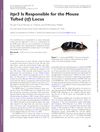
research Itpr3 Is Responsible for the Mouse Tufted (tf) Locus
This study identified the Itpr3 gene as responsible for the tufted hair loss phenotype in the BTBR mouse strain.
research Transgenic mice provide new insights into the role of TGF-alpha during epidermal development and differentiation.
This study observed that overexpression of TGF-alpha in transgenic mice led to thicker epidermis and stunted hair growth, particularly in regions with normally thick skin and low hair density.
research Morphologic and Histologic Comparison of Hypertrophic Scar in Nude Mice, T-Cell Receptor, and Recombination Activating Gene Knockout Mice
This study found that human skin grafted onto certain immunodeficient mice resulted in proliferative scars with characteristics similar to human hypertrophic scars, suggesting these models may better represent the condition's natural history.
research Normalization of hair growth in sparse fur-abnormal skin and hair (SPF-ASH) mice by introduction of the rat ornithine transcarbamylase (OTC) gene
This study found that introducing the recombinant rat OTC gene into SPF-ASH mice restored normal hair growth and metabolic function, improving symptoms associated with OTC deficiency.
research Intravital longitudinal wide-area imaging of dynamic bone marrow engraftment and multilineage differentiation through nuclear-cytoplasmic labeling
This study observed dynamic behaviors such as cluster formation, migration, and active proliferation of transplanted bone marrow cells in a mouse model, providing insight into cellular-level changes post-transplantation.

research 186 Dissecting the role of the common neurotrophin receptor CD271 in the skin: generation and characterization of a novel mouse model with keratinocyte-specific conditional deletion
This study found that conditional deletion of CD271 in mouse epidermis led to significant disorganization and increased thickness, suggesting CD271's crucial role in regulating skin differentiation and structure.
research Conditional expression of the ErbB2 oncogene elicits reversible hyperplasia in stratified epithelia and up-regulation of TGFα expression in transgenic mice
research Functional analysis of thymosin beta-4 using over-expressing transgenic mice
This study found that over-expression of thymosin beta-4 in transgenic mice accelerated wound healing and hair growth, but did not affect tumor progression despite stimulating tumor metastasis.

research DMBA/TPA Treatment Is Necessary for BCC Formation from Patched Deficient Epidermal Cells in Ptch flox/flox CD4Cre +/− Mice
In this study, basal cell carcinoma developed in Ptch-deficient mice only after chemical treatment, not skin wounding, suggesting a second unknown event is necessary for tumor formation.

research A Mouse Model for Conditional Expression of Activated β-Catenin in Epidermal Keratinocytes
In this study, the researchers observed that inducing and then withdrawing β-catenin expression in a bigenic mouse model caused reversible changes in skin morphology, indicating dependence on β-catenin signaling.
research Induction of basal cell carcinomas and trichoepitheliomas in mice overexpressing GLI-1
This study demonstrates that mice with ectopic expression of the human GLI-1 gene in their skin developed tumors resembling human basal cell carcinoma, suggesting that GLI-1 is central to tumor development without additional p53 or Ha ras mutations.
research Impaired Hair Follicle Morphogenesis and Cycling with Abnormal Epidermal Differentiation in nackt Mice, a Cathepsin L-Deficient Mutation
Cathepsin L deficiency causes hair and skin issues in mice.

research Development and Validation of A C57BL/6 Mouse Model of Androgenetic Alopecia Through Testosterone Propionate Induction
This study developed a testosterone propionate-induced C57BL/6 mouse model of androgenetic alopecia, demonstrating that high-dose, prolonged testosterone administration inhibited hair regrowth and mirrored human AGA pathology, providing a useful platform for studying hair loss mechanisms and testing therapies targeting the Wnt/β-catenin pathway.
research Mesenchymal cell specific deletion of Tsc2 regulates hair follicle development and patterning
This study identified TSC2 as an important regulator of hair follicle morphogenesis and patterning, with Tsc2cKO mice showing altered hair patterns and frequencies compared to controls.
research Supplementary Methods, Tables 1-2 and Figures from Tumor Stroma–Derived Wnt5a Induces Differentiation of Basal Cell Carcinoma of Ptch-Mutant Mice via CaMKII
research Transduction‐induced overexpression of Merkel cell T antigens in human hair follicles induces formation of pathological cell clusters with Merkel cell carcinoma‐like phenotype
This study suggests that Merkel cell polyomavirus T antigen-positive cells resembling Merkel cell carcinoma may originate from epithelial cells in human hair follicles, potentially informing future transgenic mouse models for this cancer.
research Suppression of mammary tumorigenesis in transgenic mice by the RXR-selective retinoid, LGD1069.
This study found that the retinoid LGD1069 suppressed mammary tumorigenesis in a mouse model without observable toxicity, while TTNPB showed modest effects but was associated with significant toxicity.
research A Mouse Model of Androgenetic Alopecia
This study reports the development of the first rodent model for androgenetic alopecia, demonstrating that overexpression of androgen receptors in mice delays hair regeneration and can be used to test new treatments.
research Direct cellular reprogramming enables development of viral T antigen–driven Merkel cell carcinoma in mice
This study found that the development of Merkel cell carcinoma from hair follicles in mice can be driven by in vivo reprogramming with ATOH1 and relies on p53 loss for progression.
research Induction of basal cell carcinomas and trichoepitheliomas in mice overexpressing GLI-1
In this study, researchers established that increased expression of the human GLI-1 gene in mouse skin leads to the development of tumors that closely resemble human basal cell carcinomas, without requiring additional mutations in the p53 or Ha ras genes.
research Biological, cellular, and molecular characteristics of an inducible transgenic skin tumor model: a review
research Cloning and Characterization of a Mouse Type I Hair Keratin cDNA
research The TFIID subunit TAF4 regulates keratinocyte proliferation and has cell-autonomous and non-cell-autonomous tumour suppressor activity in mouse epidermis
In this study, inactivating the TAF4 subunit of transcription factor TFIID in mouse epidermis disrupted gene expression linked to skin and hair function, and increased tumor risk.