 January 2022 in “Social Science Research Network”
 In this study, researchers developed a long-lasting antibacterial coating for medical implants by anchoring silver nanoparticles onto polyamide surfaces, demonstrating potential to improve implant safety and effectiveness by reducing infection and inflammation.
 4 citations
,
January 2025 in “Journal of Materials Chemistry B”
4 citations
,
January 2025 in “Journal of Materials Chemistry B” In this study, researchers developed a multifunctional, injectable hydrogel that adapts to irregularly shaped wounds, enhances healing, and shows potential antibacterial activity without significant toxicity, suggesting promise for treating chronic wounds.
 1 citations
,
November 2022 in “Research Society and Development”
1 citations
,
November 2022 in “Research Society and Development” This review highlights the effectiveness of medicinal plants in treating symptoms of hair disorders, emphasizing their antifungal and antioxidant properties as supported by 23 selected studies.
 30 citations
,
June 2024 in “Scientific Reports”
30 citations
,
June 2024 in “Scientific Reports” This study explored a keratin, sodium alginate, and carboxymethyl chitosan hydrogel modified with tannic acid and found it to have promising wound-healing qualities, including similar elasticity to human skin, antimicrobial and antioxidant properties, and effective water retention. These attributes suggest potential applications in biomedical engineering.
 October 2020 in “Journal of Pharmaceutical Sciences”
 This study found that using gallate-containing formulations like EGCG or tannic acid increased the solubility and controlled release of finasteride in microspheres, enhancing its dermal penetration in pig skin by 10 to 50 times compared to a control.
 2 citations
,
April 2023 in “Pharmacognosy Journal”
2 citations
,
April 2023 in “Pharmacognosy Journal” This study found that bio fabricated herbal silver nanoparticles from Blumea lacera extracts demonstrated significant antibacterial activity against Staphylococcus aureus and Escherichia coli, and notable anti-inflammatory effects, though their antioxidant capacity was insignificant compared to the extract.
 31 citations
,
October 2020 in “Journal of nanomaterials”
31 citations
,
October 2020 in “Journal of nanomaterials” This study suggests that silver nanoparticles synthesized using Grewia optiva leaf extract exhibit stronger antibacterial and antioxidant properties than the leaf extract alone.
 17 citations
,
July 2019 in “Majalah Obat Tradisional”
17 citations
,
July 2019 in “Majalah Obat Tradisional” This study found that tannin effectively inhibits and degrades mono-species and polymicrobial biofilms, making it a potential candidate for antibiofilm treatments.
 12 citations
,
April 2023 in “Nano Biomedicine and Engineering”
12 citations
,
April 2023 in “Nano Biomedicine and Engineering” This study synthesized silver nanoparticles using an Artocarpus heterophyllus leaf extract and found that these nanoparticles, with a size of 100–110 nm, displayed effective antioxidant, antibacterial, and antifungal activities in vitro.
63 citations
,
June 2023 in “Journal of Nanobiotechnology” In this study, researchers developed a 3D chitosan/polyvinyl alcohol-tannic acid nanofiber sponge that demonstrated effective hemostatic, antibacterial, and antioxidant properties without antibiotics, accelerated wound healing in vivo, and showed high biocompatibility with L929 cells, highlighting its potential as a wound dressing for clinical use.
 24 citations
,
August 2018 in “Journal of Ayurvedic and herbal medicine”
24 citations
,
August 2018 in “Journal of Ayurvedic and herbal medicine” In this review, the authors summarize the phytochemistry, pharmacology, and medicinal uses of Hibiscus rosa sinensis, highlighting its various benefits such as hypotensive and anti-inflammatory effects, while noting the need for more research on its specific mechanisms and potential toxicities.
 15 citations
,
April 2022 in “Biointerface Research in Applied Chemistry”
15 citations
,
April 2022 in “Biointerface Research in Applied Chemistry” This review presents current evidence on medicinal plants and their phytoconstituents, such as phenolic compounds, used in acne treatment, highlighting their potential as alternatives to conventional therapies due to issues like antibiotic resistance and high cost.
 November 2024 in “International Journal of Agricultural Invention”
 This review highlights the therapeutic properties and nutritional value of amla (Phyllanthus emblica), noting its high vitamin C content and diverse pharmacological activities, including antidiabetic and antioxidant effects, as evidenced in traditional medicine practices.
 January 2023 in “International Journal of Research Publication and Reviews”
 This review details the causes, symptoms, and treatments for dandruff, emphasizing herbal ingredients with anti-dandruff properties used in shampoos and exploring their antifungal and anti-inflammatory mechanisms. It highlights dandruff's exploitation by personal care companies due to the lack of medical interventions.
 August 2022 in “International journal of research in pharmacy and chemistry”
 This review summarizes the chemical composition and pharmacological properties of Teak (Tectona grandis) but presents no new research findings, emphasizing its use in traditional medicine and therapeutic potentials.
 11 citations
,
January 2016 in “Journal of clinical & experimental dermatology research”
11 citations
,
January 2016 in “Journal of clinical & experimental dermatology research” This review discusses the cutaneous manifestations associated with various substances of abuse, highlighting their importance for clinicians in recognizing and treating substance abuse disorders, and reports no new findings.
 1 citations
,
March 2022 in “Daehanhanuihakoeji”
1 citations
,
March 2022 in “Daehanhanuihakoeji” In this study, Artemisia sieversiana extract was found to safely promote hair follicle dermal papilla cell growth and inhibit hair loss through anti-androgen, anti-inflammatory, and antioxidant effects at a cellular level.
 1 citations
,
January 2013 in “Springer eBooks”
1 citations
,
January 2013 in “Springer eBooks” The document concludes that skin and nail changes can indicate various underlying health conditions.
 June 2013 in “Revista cubana de plantas medicinales”
 This study found that Sida cordifolia collected in Colombia is a good source of steroidal saponins, which may contribute to its antioxidant and antifungal properties.
 22 citations
,
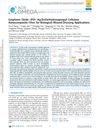
September 2019 in “ACS omega”
22 citations
,
September 2019 in “ACS omega” This study found that AGO@HPC nanocomposite films demonstrated enhanced mechanical, anti-ultraviolet, and antibacterial properties, suggesting potential for use in antibacterial packaging and wound-dressing applications.
2 citations
,
February 2024 in “Pharmaceutics” This review highlights that while chitosan-based wound dressings with silver nanoparticles show promise for treating infected wounds due to enhanced antimicrobial activity, further studies are needed to address their in vivo toxicity and evaluate their efficacy in infectious animal models.
1 citations
,
December 2025 in “Inorganics” This review analyzes the role of silver nanoparticles in wound healing, highlighting their antimicrobial, anti-inflammatory, and tissue-regenerating properties, and emphasizes the need for further research to optimize formulations and ensure safety.
 36 citations
,
March 2014 in “Biomaterials”
36 citations
,
March 2014 in “Biomaterials” This study found that the 11R-No. 10 peptide, delivered transdermally, significantly inhibited melanogenesis and produced a whitening effect in a UV-induced sun-tanning guinea pig model without cytotoxicity.
2 citations
,
December 2025 in “Nano Letters” This study developed a tannin-modified cellulose-polypyrrole dressing that accelerates wound healing by enhancing granulation tissue, optimizing collagen, and stimulating angiogenesis, while providing antibacterial protection against S. aureus and E. coli.

In this study, researchers developed a multifunctional hydrogel for wound healing, incorporating antibacterial and antioxidant properties that demonstrated significant inflammation reduction and tissue regeneration in animal models, with high antibacterial efficacy against E. coli and S. aureus.
10 citations
,
January 2025 in “Biomaterials Science” This study found that a multifunctional hydrogel dressing enriched with Cu-MOF and tannic acid significantly improved full-thickness wound healing in rats, reducing the wound area to only 1.6% and promoting re-epithelialization, neovascularization, and hair follicle formation.
4 citations
,
August 2025 in “Molecules” This study highlights the potential of medicinal plants like Rubus vulgaris and Plantago major as sources for skin disorder treatments due to their bioactive compounds' antioxidant, anti-inflammatory, and antimicrobial effects.
4 citations
,
May 2021 in “Research Journal of Science and Technology” This review discusses the therapeutic applications of Hibiscus rosa sinensis and reports no new clinical results; the authors highlight its potential in herbal medicine.
2 citations
,
June 2025 in “International Journal of Molecular Sciences” In this study, Carthamus caeruleus root juice exhibited in vitro anti-inflammatory effects by stabilizing human erythrocyte membranes and inhibiting albumin denaturation, as well as showing potential inhibition of COX-2 through in silico analysis; however, further research is needed to confirm efficacy and mechanisms.
1 citations
,
April 2023 in “Jurnal Sains Farmasi & Klinis” This study identified various secondary metabolites such as terpenes, phenolic acids, and flavonoids in plants mentioned by Ibnu Sina for hair cosmetic applications.