1 citations
,
August 2025 in “Seeds” This review examines the potential of Cucurbitaceae seeds, such as those from watermelon, melon, and pumpkin, as sustainable and innovative ingredients in cosmetics, highlighting their rich bioactive composition and benefits for skin and hair, despite challenges like environmental instability and low permeability.
1 citations
,
February 2023 in “Ibrain” This review discusses the neuroprotective properties of Nigella sativa and its nanoformulations for treating neurodegenerative disorders, without presenting new clinical results.
1 citations
,
November 2022 in “Aaps Pharmscitech”  1 citations
,
May 2022 in “Pharmaceutics”
1 citations
,
May 2022 in “Pharmaceutics” This study found that a developed nanostructured lipid carrier formulation of tea seed oil can effectively stimulate hair growth and reduce the oily feeling associated with direct application.
1 citations
,
July 2021 in “Current nanomedicine” This study found that nanostructured lipid carriers could serve as a promising vehicle for topical Acitretin delivery in psoriasis treatment, potentially reducing oral side effects and enhancing patient compliance.
 1 citations
,
November 2020 in “Asian Journal of Pharmaceutical and Clinical Research”
1 citations
,
November 2020 in “Asian Journal of Pharmaceutical and Clinical Research” This review discusses the potential of nanotechnology in treating idiopathic pulmonary fibrosis by targeting abnormal alveolar epithelial cells and reports no new clinical results.
1 citations
,
August 2024 in “Cosmetics” This review summarizes current melasma treatments, emphasizing the need for tailored, long-term management strategies that integrate photoprotection and address various pathogenic mechanisms.
 1 citations
,
May 2021 in “BMC Proceedings”
1 citations
,
May 2021 in “BMC Proceedings” This study found that frequent attenders at Cork University Hospital's emergency department accounted for a disproportionate amount of visits and were more likely to require admission for further care.
 July 2026 in “Journal of Drug Delivery and Therapeutics”
 This study evaluated Finasteride-loaded nanostructured lipid carriers for topical use in treating androgenetic alopecia and found that these carriers offer sustained drug release and may reduce systemic side effects compared to oral administration.
December 2025 in “Cosmetics” This review highlights that post-oncologic skin suffers from several impairments following cancer treatments, and dermocosmetic strategies, particularly those involving nanocarriers, can enhance the efficacy and stability of antioxidants, thereby aiding skin regeneration and improving quality of life.
December 2025 in “Rare Metals” This review assesses the potential of smart dressings, engineered to respond to various stimuli, as advanced treatments for chronic inflammatory skin diseases by examining their activation mechanisms and proposing future developments like integrating AI and closed-loop monitoring for adaptive therapy.
 December 2025 in “Pharmaceuticals”
 This study found that a natural illite-based carrier could deliver minoxidil topically with preserved efficacy, minimizing solvent toxicity, and showed hair-growth-promoting activity via anti-inflammatory and pro-proliferative mechanisms in mice.
December 2025 in “Processes” This study found that minoxidil had the highest solubility in shea butter, stearic acid, and rosemary oil, suggesting these natural oils may improve drug loading and encapsulation efficiency in lipid nanocarrier formulations for potential hair growth applications.
November 2025 in “Drug Delivery and Translational Research”  January 2025 in “AAPS PharmSciTech”
 Transethosomes improve drug delivery through the skin and show promise for treating various conditions.
 December 2024 in “International Journal of Newgen Research in Pharmacy & Healthcare”
 In this study, Eclipta alba phytosomes were developed to enhance the bioavailability and therapeutic efficacy of its bioactive compounds, showing improved in vitro antioxidant activity and significant in vivo anticancer effects compared to the free extract.
July 2024 in “Journal of Controlled Release” In this study, researchers developed topical tofacitinib-loaded cationic lipid nanoparticles, which improved absorption and targeted hair follicles in an ex vivo pig ear model, showing promise in treating alopecia areata by reducing symptoms through the JAK/STAT pathway.
 January 2024 in “Authorea (Authorea)”
 This review examined the use of nanomaterials in different stages of wound healing, describing their mechanisms, current challenges, and potential future applications, including intelligent healing through real-time monitoring and precision regulation, to guide future research in wound treatment.
 December 2023 in “Melatonin research”
 This review highlights the potential of using melatonin-loaded nanocarriers to enhance drug delivery efficiency and reduce side effects, emphasizing their promise in treating various diseases through targeted and precise delivery methods.
 November 2023 in “ACS Omega”
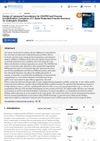
 This study reported that a novel cationic liposome formulation for delivering encapsulated Cas9 protein and sgRNA successfully decreased SRD5α2 mRNA expression by 29.7% in vitro, suggesting a potential alternative treatment option for conditions like prostate cancer and benign prostatic hyperplasia without current drug side effects.

In this study, researchers developed a novel gel formulation combining zinc oxide nanoparticles and finasteride-loaded nanostructured lipid carriers, which showed promising results for topical delivery and effective skin penetration, potentially offering a new treatment approach for androgenic alopecia.

This review highlights various plant-based and herbal treatments that reportedly help prevent hair loss and encourage hair growth. It also explores the molecular mechanisms, identified plant compounds, recent technologies such as nanoarchitectonics, and patents related to hair growth promotion.
November 2022 in “IntechOpen eBooks” This review discusses nanoparticle-based wound-healing materials, detailing their benefits, limitations, and recent advancements, and emphasizes the need for further understanding to enhance therapeutic outcomes.
November 2005 in “Physiology” This article highlights advances in various physiological studies, including vitamin E's potential to improve aging-related outcomes in mice, but does not present new experimental results.
July 2026 in “IntechOpen eBooks” This research highlights the crucial roles of B vitamins in metabolism, neurological processes, and DNA functions, and describes emerging therapies that enhance vitamin absorption and therapeutic potential.
 April 2026 in “Biomolecules”
 In this study, researchers synthesized biomedical polyurethanes incorporating curcumin and varying PEG content to enhance water solubility and control curcumin release, finding that higher PEG content improved hydrophilicity, swelling, and degradation, while maintaining excellent antioxidant and antibacterial activities, suggesting promise for biomedical applications.
April 2026 in “IntechOpen eBooks” This study reviews the complexities of burn-related skin complications, highlighting postburn pruritus, dyspigmentation, and the risk of malignant ulcers, while offering a framework for evidence-based management through various treatment approaches.
 February 2026 in “Phycology”
 This review highlights the potential of microalgae as sustainable sources for nutraceuticals and cosmeceuticals, emphasizing their applications in functional foods, dietary supplements, and cosmetics for roles such as anti-aging and photoprotection in alignment with sustainability principles.
January 2026 in “International Journal of Molecular Sciences” This review highlights brimonidine’s potential as a dermatological agent, noting its ability to improve rosacea-related facial redness and its effectiveness in various other skin conditions due to its vasoconstrictive and anti-inflammatory actions, with minimal systemic absorption and a favorable safety profile for long-term use.
December 2025 in “Phytomedicine Plus” This review summarizes recent advances in alopecia management, focusing on combining synthetic and herbal therapies with innovative drug delivery systems like nanocarriers to enhance effectiveness and reduce side effects, while noting challenges with skin penetration and bioavailability.