1 citations
,
July 2025 in “Advanced Materials” This study reports on a zinc-coordinated tri-enzyme nanogel system (Zn@nGSC) that mimics natural enzymatic processes to enhance enzymatic activity and cascade efficiency, showing potential in wound healing, hyperglycemia treatment, and antibacterial effects in a murine model of post-pancreatectomy.
27 citations
,
January 2022 in “Current Research in Biotechnology” This study reports that soy protein isolate/hydroxyethyl cellulose nanofibrous mats embedded with diclofenac sodium and halloysite nanotubes demonstrated sustained drug release, effective antibacterial action against E. coli and B. subtilis, and maintained biocompatibility, highlighting their potential use in wound care.
 10 citations
,
January 2016 in “Elsevier eBooks”
10 citations
,
January 2016 in “Elsevier eBooks” This chapter reviews the role of nanoparticles in wound healing, exploring current therapies, developments, and future directions, but reports no new clinical results.
 September 2025 in “Advanced Pharmaceutical Bulletin”
 This review highlights the promise of non-viral gene delivery systems, particularly genosomes, over traditional viral vectors due to enhanced safety and efficiency in therapeutic nucleic acid delivery for genetic diseases like cystic fibrosis and malignancies.
8 citations
,
January 1977 in “Acta Haematologica” This study found that the PVP protocol, combining Peptichemio, vincristine, and 6-methylprednisolone, resulted in remission for diffuse non-Hodgkin's lymphomas with moderate side effects.
August 2026 in “International Journal of Nanomedicine” This review discusses the transformation of selenium nanoparticles into multifunctional platforms for skin disease treatment, focusing on engineering principles rather than their intrinsic bioactivity alone, and reports no new clinical results.
 1 citations
,
July 2022 in “Journal of Drug Delivery Science and Technology”
1 citations
,
July 2022 in “Journal of Drug Delivery Science and Technology” This study found that Spironolactone-loaded ethosomal gels provided superior skin permeation and deposition compared to niosomal gels in rabbit skin, suggesting that ethosomal gels could be a promising formulation for further clinical studies on treating androgenic alopecia.
 January 2017 in “Brazilian Journal of Pharmaceutical Sciences”
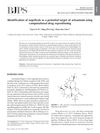
 This study identified neprilysin as a potential target of the pharmacological agent arteannuin, which may guide future research into its clinical applications, although experimental verification is needed.
August 2019 in “Key engineering materials” This study found that Carthamus tinctorius floret extract, at a concentration of 0.05 mg/mL, significantly inhibited 5α-reductase activity in DU-145 cells more effectively than standard treatments finasteride and dutasteride, with a stable microemulsion formulation enhancing its skin permeation and stability.
 8 citations
,
June 2023 in “Advanced functional materials”
8 citations
,
June 2023 in “Advanced functional materials” This review summarizes recent advancements and future trends in the design and application of metal oxides for biocatalytic therapeutics, discussing their structural diversity, catalytic site tunability, and therapeutic applications, such as in cancer therapies and ROS scavenging, as well as challenges for their future utilization.
 1 citations
,
November 2020 in “Asian Journal of Pharmaceutical and Clinical Research”
1 citations
,
November 2020 in “Asian Journal of Pharmaceutical and Clinical Research” This review discusses the potential of nanotechnology in treating idiopathic pulmonary fibrosis by targeting abnormal alveolar epithelial cells and reports no new clinical results.
January 2012 in “Journal of Clinical Medicine in Practice” This study found that first-line treatment with docetaxel and carboplatin was safe and effective for elderly patients with advanced non-selective non-small-cell lung cancer, showing an overall efficacy rate of 47.87%.
 35 citations
,
May 2020 in “Frontiers in Pharmacology”
35 citations
,
May 2020 in “Frontiers in Pharmacology” This review provides a comprehensive overview of the mechanisms, efficacy, and adverse reactions of drugs commonly used for treating benign prostatic hyperplasia but reports no new clinical results.
3 citations
,
January 2018 in “Elsevier eBooks” The abstract discusses that Serenoa repens, a commonly used phytotherapeutic agent, may play a crucial role as an alternative or complementary treatment for lower urinary tract symptoms in patients with benign prostatic hyperplasia, particularly those with mild-to-moderate disease severity.
14 citations
,
October 2024 in “Nano Convergence” This study found that an injectable hydrogel dressing with silver nanoparticles showed promise in healing MRSA-infected wounds by reducing inflammation, supporting tissue regeneration, and maintaining prolonged antibacterial activity, highlighting its potential as an effective treatment strategy.
 127 citations
,
June 2006 in “International Journal of Pharmaceutics”
127 citations
,
June 2006 in “International Journal of Pharmaceutics” This research found that liquid-state liposomes and niosomes may enhance finasteride delivery to pilosebaceous units in hamsters more effectively than gel-state vesicles or hydroalcoholic solution.
1 citations
,
December 2023 in “Nanomaterials” In this study, the researchers synthesized copper-doped mesoporous silica nanoparticles and observed that they enhance tumor microenvironment regulation and, when paired with disulfiram, effectively kill cancer cells while also showing synergistic anti-tumor effects with immune checkpoint inhibitors.
2 citations
,
December 2023 in “Pharmaceutics” This review highlights that direct drug delivery to the lungs for treating lung cancer may offer more precise targeting while reducing side effects compared to traditional methods.
5 citations
,
January 1999 in “Journal of dermatological treatment” This study found that while Bioré pore strips effectively removed microcomedones and trichostatic bundles on the nose without causing irritation, they were less effective than cyanoacrylate extraction.
 6 citations
,
April 2022 in “Advanced Pharmaceutical Bulletin”
6 citations
,
April 2022 in “Advanced Pharmaceutical Bulletin” This study found that cefazolin-loaded silica nanoparticles embedded in polycaprolactone nanofibers successfully inhibited Staphylococcus aureus growth while maintaining stem cell viability, suggesting their potential use in wound healing.
 December 2023 in “Biointerface Research in Applied Chemistry”
 This study used molecular docking to identify stiripentol as a potential new inhibitor of the SRD5A2 enzyme, which is targeted for treating androgen-related diseases; however, in vivo trials are needed to validate its efficacy.
3 citations
,
August 2010 in “Letters in Drug Design & Discovery”  June 2026 in “International Journal of Drug Delivery Technology”
 In this study, researchers optimized fast-dissolving tablets of nifedipine using a systematic approach, resulting in formulations that demonstrated rapid disintegration, enhanced dissolution profiles, and improved solubility, potentially improving oral delivery for patients requiring poorly soluble antihypertensive medication.
 12 citations
,
April 2023 in “Nano Biomedicine and Engineering”
12 citations
,
April 2023 in “Nano Biomedicine and Engineering” This study synthesized silver nanoparticles using an Artocarpus heterophyllus leaf extract and found that these nanoparticles, with a size of 100–110 nm, displayed effective antioxidant, antibacterial, and antifungal activities in vitro.
14 citations
,
March 2014 in “Journal of the Society of Cosmetic Scientists of Korea” This study suggests that ethanol extracts from ten selected Korean herb medicines reduced inflammatory markers in a cell model and did not cause skin irritation in human testing, indicating potential cosmetic use for irritation prevention.
12 citations
,
December 2010 in “Journal of thoracic oncology” This article organizes and lists ongoing and completed clinical trials of novel agents for lung cancer, serving as a reference tool with no new research findings reported.
 January 2024 in “Circulation”
 This commentary explores the role of PCSK9 as a target for drug development, underscoring that individuals with PCSK9 loss-of-function mutations experience significantly lowered LDL cholesterol levels and reduced coronary events, suggesting that full inactivation of PCSK9 is effective and safe.
8 citations
,
May 2024 in “Advanced NanoBiomed Research” This review examines advancements in lipid and inorganic nanocarriers, such as liposomes and inorganic nanoparticles, for transdermal drug delivery, noting enhanced absorption and stability but acknowledging that few have reached clinical use.
 3 citations
,
February 2016 in “Nature Biotechnology”
3 citations
,
February 2016 in “Nature Biotechnology” New drug shows promise for better hair growth in baldness treatment.
14 citations
,
June 2014 in “World Journal of Urology” This study found that the herbal combination PRO 160/120 significantly improved nocturnal voiding frequency in patients with moderate-to-severe LUTS/BPH compared to placebo, with similar effectiveness to tamsulosin and finasteride.