47 citations
,
February 1998 in “Journal of bone and mineral research” In this study, researchers identified a unique Arg30stop mutation in the vitamin D receptor gene that causes hereditary vitamin D-resistant rickets in a young French-Canadian boy by truncating the receptor and causing hormone resistance.
25 citations
,
March 2004 in “Regulatory Toxicology and Pharmacology” Using testosterone-stimulated weanling rats can effectively replace castrated rats for anti-androgen testing, reducing animal stress.
1 citations
,
January 2025 in “CPT Pharmacometrics & Systems Pharmacology” In this study, the researchers evaluated the exposure-response relationship of ritlecitinib on eyebrow and eyelash regrowth and concluded that the established models justify selecting a 50 mg dose for patients with severe alopecia areata, while highlighting differing efficacy among evaluation methods.
41 citations
,
October 2019 in “Biomolecules” This review highlights the role of all-trans retinoic acid in regulating stem and progenitor cell proliferation and differentiation, suggesting its potential to enhance treatments in regenerative medicine and cancer.
 16 citations
,
January 2010 in “American Journal of Neuroradiology”
16 citations
,
January 2010 in “American Journal of Neuroradiology” This case report describes a 3-year-old boy with trichothiodystrophy, highlighting specific MRI findings of diffuse dysmyelination and osteosclerosis that may be unique to the disorder.
4 citations
,
March 2025 in “The Journal of Dermatology” This study found that in Asian patients aged 12 and older with alopecia areata and significant hair loss, ritlecitinib showed clinical efficacy in improving hair regrowth and eyebrow and eyelash scores over 48 weeks, with an acceptable safety profile observed throughout.
5 citations
,
July 2017 in “International journal of endocrinology and metabolism/International journal of endocrinology and metabolism.” This study described the clinical and genetic features of two Iranian siblings with hereditary vitamin D resistant rickets, identifying a specific VDR gene mutation contributing to their symptoms.
 March 2026 in “Mendeley Data”
 This tool was developed to enhance reproducibility and sensitivity in measuring partial hair regrowth in alopecia areata patients, particularly those undergoing JAK inhibitor therapy, using scalp photographs.
 75 citations
,
January 2011 in “Plastic and Reconstructive Surgery”
75 citations
,
January 2011 in “Plastic and Reconstructive Surgery” This review discusses the use of dermal regeneration templates for treating burn injuries and other wounds, highlighting their effectiveness in reducing scars and aiding in regenerative processes, but reports no new clinical results.
 24 citations
,
September 2005 in “Journal of Cellular Biochemistry”
24 citations
,
September 2005 in “Journal of Cellular Biochemistry” This study found that all-trans and 9-cis retinoic acids increase steroid sulfatase activity in HL60 cells through mechanisms involving RARα/RXR heterodimers and multiple signaling pathways.
January 2008 in “中山醫學大學醫學研究所學位論文” This study found that Danthron induced apoptosis in a human malignant melanoma cell line through mitochondrial, endoplasmic reticulum, and death receptor pathways.
 17 citations
,
October 2006 in “Molecular and Cellular Endocrinology”
17 citations
,
October 2006 in “Molecular and Cellular Endocrinology” This study found that the L457(3.43)R mutation in the human luteinizing hormone receptor increases phosphodiesterase activity, reducing hormonal response despite elevated basal cAMP levels.
 37 citations
,
January 2023 in “Ophthalmology and Therapy”
37 citations
,
January 2023 in “Ophthalmology and Therapy” In this study, more than 25% of children experienced axial length shortening greater than 0.05 mm/year following repeated low-level red-light therapy.
1 citations
,
September 2025 in “Pediatric Dermatology” This systematic review reported that habit reversal training showed the most consistent benefit for treating pediatric trichotillomania, while evidence for pharmacological treatments and alternative therapies like N-acetylcysteine remains insufficient, highlighting the need for early behavioral intervention and further research into standardized treatment protocols.
 September 2019 in “Journal of Investigative Dermatology”
 This study demonstrated that an RO formulation significantly improved neck wrinkles after 8 weeks of application, compared to a placebo, in Japanese female subjects.
 1 citations
,
July 2025 in “SKIN The Journal of Cutaneous Medicine”
1 citations
,
July 2025 in “SKIN The Journal of Cutaneous Medicine” In this study, ritlecitinib 50-mg showed clinically meaningful efficacy, with improvements in the Severity of Alopecia Tool score observed in patients with alopecia areata over a 3-year period, demonstrating long-term benefit in both clinician- and patient-reported outcomes.
34 citations
,
August 2018 in “Cancer research” In this study, researchers found that selectively disabling ribonucleotide excision repair in mouse epidermis caused DNA damage, skin inflammation, and led to skin cancer, suggesting a potential role for this repair mechanism in tumorigenesis.
 1 citations
,
September 2023 in “eLife”
1 citations
,
September 2023 in “eLife” This study found that TLR2 expression in hair follicle stem cells is crucial for hair follicle maintenance and regeneration, with TLR2-dependent activation potentially offering new therapeutic approaches for hair loss prevention through mechanisms involving immune pathways and CEP administration.
 1 citations
,
February 2009 in “Clinical and Experimental Dermatology”
1 citations
,
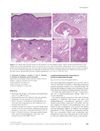
February 2009 in “Clinical and Experimental Dermatology” This study reports an improvement in lymphomatoid papulosis type A in a 52-year-old patient who concurrently used hormone-replacement therapy.
January 2012 in “Hacettepe University Institutional Repository (hacettepe.edu.tr)” This study found that using a contrast agent in Microbeam Radiation Therapy simulations increased the target dose but concluded that using a linear accelerator as an X-ray source did not preserve MRT advantages.
This study found that among Indian rheumatoid arthritis patients, the MTHFR A1298C polymorphism was associated with varying responses to methotrexate, with 1298CC genotypes showing higher toxicity and poorer efficacy compared to 1298AA genotypes.
 38 citations
,
January 2023 in “International Journal of Medical Sciences”
38 citations
,
January 2023 in “International Journal of Medical Sciences” This review discusses the potential of repeated low-level red-light therapy to inhibit myopia progression through metabolic effects, highlighting its molecular and cellular impact, but reports no new clinical results.
July 2025 in “Journal of Investigative Dermatology” Ritlecitinib reduces alopecia areata symptoms by blocking JAK3/TEC signaling and T-cell activity.
 5 citations
,
February 2024 in “Clinical Pharmacokinetics”
5 citations
,
February 2024 in “Clinical Pharmacokinetics” This study found that modeling and simulation effectively informed decision-making and dose selection for ritlecitinib in treating alopecia areata, supporting an accelerated drug development strategy.
4 citations
,
January 2018 in “Annals of dermatology/Annals of Dermatology” Hair transplantation successfully treated hair loss in a patient with Trichorhinophalangeal syndrome.
 September 2023 in “Dermatology and therapy”
 In this phase 2b/3 trial, ritlecitinib showed effectiveness in treating alopecia areata patients with varying hair loss profiles, significantly improving patient-reported outcomes for hair regrowth and satisfaction compared to placebo, regardless of the hair loss type and extent at baseline.
April 2017 in “The journal of investigative dermatology/Journal of investigative dermatology” This study found that TLR3-mediated damage sensing can stimulate prostaglandin and Wnt pathways, potentially coordinating hair follicle regeneration in mice with large skin wounds.
 June 2026 in “World Journal of Clinical Pediatrics”
 This study highlights the importance of recognizing non-nutritional forms of rickets, which can manifest with subtle symptoms like alopecia and cataracts, and emphasizes that a comprehensive diagnostic approach, including genetic testing, can improve management and treatment outcomes.
This study analyzed inner root sheath-specific genes in Tan sheep during various growth stages, finding peak expression at birth. The pattern of genes KRT71, KRT72, and TCHH is consistent with wool crimp, potentially influencing wool morphology.
34 citations
,
March 2007 in “Biochemical and Biophysical Research Communications” This study suggests that decreased expression of thioredoxin reductase 1 in hair follicle cells may contribute to glucocorticoid resistance in some alopecia areata patients by affecting the intracellular redox system.