June 2025 in “Acta Dermato Venereologica” Low-dose Ritlecitinib may help children with stubborn Alopecia Areata.
January 2015 in “DukeSpace (Duke University)” This study found that deleting transferrin receptor 1 in specific mouse tissues led to varied lethal outcomes, demonstrating its diverse roles beyond iron uptake.
 April 2023 in “Journal of Investigative Dermatology”
 This study found that the oral IRAK4-inhibitors BAY 1834845 and BAY 1830839 reduced skin inflammation and systemic inflammatory responses in healthy volunteers, showing similar pharmacodynamic effects to prednisolone when challenged with topical imiquimod and intravenous LPS.
30 citations
,
October 2009 in “Journal of Veterinary Internal Medicine” This report describes a unique case of hereditary vitamin D-resistant rickets (HVDRR) in a dog, caused by a VDR gene mutation resulting in severe hypocalcemia and bone issues, which presented with symptoms similar to those observed in humans.
59 citations
,
November 2011 in “Development” This study found that the transcription factor Trps1 acts as a novel regulator of the Wnt signaling pathway and early hair follicle progenitors in developing vibrissa follicles in mice.
 12 citations
,
June 2020 in “Frontiers in Cell and Developmental Biology”
12 citations
,
June 2020 in “Frontiers in Cell and Developmental Biology” This study found that the PP2A-B55α regulatory subunit is crucial for ectodermal development in mice, with knockout embryos displaying severe neural and epidermal defects and failing to survive to birth.
 38 citations
,
December 2009 in “Therapeutic Advances in Medical Oncology”
38 citations
,
December 2009 in “Therapeutic Advances in Medical Oncology” This discussion proposes a model to incorporate patients with hormone-resistant prostate cancer into the existing framework by redefining hormone resistance and exploring new therapeutic approaches.
 April 2026 in “Tissue Engineering and Regenerative Medicine”
 This study found that the GPRC6A-Duox1 signaling pathway influences hair cycle progression and testosterone-mediated hair loss in mice, suggesting that disruption of this pathway leads to resistance against testosterone-induced hair loss and longer anagen phase duration.
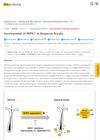
In this mouse model study, researchers observed that RIPK1 inhibitors delayed the onset of alopecia areata by modulating immune cells, specifically dendritic and CD8+ T cells, and increased hair length in organ culture mimicking the condition.
3 citations
,
October 1994 in “Journal of Dermatological Science” This study developed a novel monoclonal antibody, TYHF-1, which specifically reacts with hair keratins but not with epidermal keratins or various other tissue cells.
 69 citations
,
January 2013 in “Frontiers in Immunology”
69 citations
,
January 2013 in “Frontiers in Immunology” This review summarizes existing knowledge on the role of FOXN1 as a key regulator of thymic epithelial cell lineage and function, reporting no new experimental results.
11 citations
,
October 2021 in “Orphanet journal of rare diseases” This study found that patients with RASopathies have lower serum IgA and CD8 levels compared to controls, indicating a potential risk for developing autoimmune disorders.

A 72-year-old man was diagnosed with a rare skin form of Rosai-Dorfman disease after years of misdiagnosis.
139 citations
,
August 2006 in “Molecular and Cellular Biology” This study found that Rac1 is crucial for maintaining the integrity of hair follicle structure but is not needed for skin epidermis maintenance in mice.
 124 citations
,
September 1992 in “Endocrinology”
124 citations
,
September 1992 in “Endocrinology” This article discusses the structure of the human type II 5 alpha-reductase gene and reports no new experimental results.
4 citations
,
July 2020 in “Research Square (Research Square)” This study provided the crystal structure of the human steroid 5α-reductase 2 enzyme and identified key molecular mechanisms for testosterone reduction and finasteride inhibition, aiding in understanding disease-causing mutations and potentially facilitating new drug development.
14 citations
,
January 2011 in “The International Journal of Developmental Biology” This study showed that coexpression of TG2 and Gbx1 in the epidermis is necessary for esophagus-like mucosal transdifferentiation, with TGF-beta2 in the dermis essential for the process through epithelial-mesenchymal interaction.
January 2009 in “ScholarlyCommons (University of Pennsylvania)” This study provided the first X-ray crystal structure of the mammalian steroid hormone reductase AKR1D1 and identified a disease-related mutant, P133R, which may impact bile acid metabolism and cause clinical symptoms.
March 2026 in “Bioengineering & Translational Medicine” This study reported that a modified version of Thymosin beta 4, called PEG-rTβ4, demonstrated potential as a treatment for acute myocardial infarction by improving cardiac function and reducing cell death via specific biochemical pathways, suggesting its promise in drug development efforts.
277 citations
,
February 2013 in “Science Signaling” This study found that mitochondrial reactive oxygen species are crucial for normal epidermal differentiation and hair follicle growth, as demonstrated by impaired development in mice lacking these signals due to a keratinocyte-specific TFAM deficiency.
 23 citations
,
January 2005 in “Nihon Ishinkin Gakkai zasshi”
23 citations
,
January 2005 in “Nihon Ishinkin Gakkai zasshi” This case study identified Trichophyton rubrum as the cause of trichophytia profunda acuta in a patient using nested PCR, suggesting an alternative diagnostic approach when KOH tests and cultures fail.
10 citations
,
November 2018 in “The Italian Journal of Pediatrics/Italian journal of pediatrics” This case report identifies a mutation in the TRPS1 gene, leading to the diagnosis of trichorhinophalangeal syndrome type I in a young girl and her family, highlighting the importance of detailed clinical and family history for proper diagnosis.
28 citations
,
March 2020 in “Journal of ethnopharmacology” This study found that ginsenoside Rb1 treatment significantly reduced aging symptoms in mice by regulating cell cycle and apoptotic pathways, potentially linked to metabolic changes.
January 2025 in “Case Reports in Genetics” The researchers identified a pathogenic variant in the SRD5A2 gene among siblings with 46,XY disorder of sexual development, highlighting the importance of comprehensive genetic testing in diagnosis and management.
 34 citations
,
July 2011 in “International journal of pharmaceutics”
34 citations
,
July 2011 in “International journal of pharmaceutics” This study found that ion-paired solutions significantly improved the skin penetration of risedronate in hairless mice compared to risedronate alone.
24 citations
,
January 2023 in “Cancer Research” This study suggests that activating AMPK to phosphorylate ZDHHC13 may enhance MC1R function and reduce melanoma risk in individuals with red hair.
5 citations
,
February 1981 in “Experientia” In this study, a new hairless gene in the Donryu rat strain was identified, showing skin similarities to human skin tumors with multiple follicular cysts.
15 citations
,
June 2012 in “British Journal of Dermatology” This study identified a novel KRT86 mutation associated with autosomal dominant monilethrix, expanding understanding of its genetic basis beyond known motifs.
67 citations
,
December 2011 in “Stem Cells and Development” This study suggests that Nox4 is a key factor in the hypoxia-induced enhancement of adipose-derived stem cell functions through reactive oxygen species generation.
6 citations
,
March 2023 in “Frontiers in Cellular and Infection Microbiology” This study found that Golvatinib, Gliquidone, and Dihydroergotamine may inhibit the binding of SARS-CoV-2's Nsp1 protein to the host ribosomal subunit, suggesting potential as treatments against COVID-19 variants.