January 2015 in “프로그램북(구 초록집)” This study found that Korean Red Ginseng may protect against chemotherapy-induced alopecia by reducing hair follicle damage in a human hair follicle organ culture model.
6 citations
,
October 2001 in “British Journal of Ophthalmology” This article discusses the potential of intralesional cidofovir for treating SCC without systemic toxicity, noting that surgical excision remains the best treatment option; it reports no new clinical results.
 3 citations
,
February 2016 in “Pediatric dermatology”
3 citations
,
February 2016 in “Pediatric dermatology” This report describes two cases of Rapp–Hodgkin ectodermal dysplasia where refractory scalp erosions improved significantly with potent topical steroids; it also suggests a potential link between these scalp conditions and erosive pustular dermatosis of the scalp in elderly patients.
2 citations
,
November 2023 in “Skin Research and Technology” This study found that RCM combined with dermoscopy can differentiate disease states between alopecia areata, tinea capitis, nevus sebaceous, and linear scleroderma of the scalp by identifying distinct dermal and follicular patterns.
September 2017 in “Journal of Investigative Dermatology” LRIG1 protein affects hair growth by regulating skin receptors, leading to hair loss when overexpressed.
28 citations
,
March 2020 in “Journal of ethnopharmacology” This study found that ginsenoside Rb1 treatment significantly reduced aging symptoms in mice by regulating cell cycle and apoptotic pathways, potentially linked to metabolic changes.
November 2020 in “Acta Medica Bulgarica/Acta medica Bulgarica” This case report details two patients with Graham-Little-Piccardi-Lassueur syndrome who showed marked skin lesion improvement with corticosteroid treatment, though cicatricial scalp alopecia remained unresponsive.
 5 citations
,
November 2020 in “EBioMedicine”
5 citations
,
November 2020 in “EBioMedicine” This study reports a novel diagnostic method for latent circadian rhythm sleep-wake disorder using circadian gene oscillations from hair follicle cells to improve sleep disorder differentiation and potential therapeutic intervention.
 February 2024 in “Plant Cell Reports”
 This study found that the retromer protein AtVPS29 in Arabidopsis plants modulates gibberellin signaling by upregulating the SLY1 protein and downregulating the RGA protein, ultimately enhancing the development of the root meristematic zone.

This case report documents a 44-year-old female with Down's syndrome who was diagnosed with both rheumatoid arthritis and gouty arthritis, highlighting her specific clinical presentation and treatment regimen.
January 2011 in “Junshi yixue” This study established a murine chronic graft-versus-host disease model with scleroderma features, showing typical skin changes and cellular infiltrates associated with the condition.
 6 citations
,
May 2009 in “Cell transplantation”
6 citations
,
May 2009 in “Cell transplantation” This study found that EGCG improved the integrity of skin grafts during cryopreservation, suggesting its potential usefulness for skin preservation, though the exact mechanism remains unclear.
23 citations
,
July 2020 in “BMC Genomics” This study identified a stable combination of house-keeping genes, NCBP3 + SDHA + PTPRA, for normalizing gene expression in goat skin tissues using RNA sequencing.
13 citations
,
April 2025 in “International Journal of Nanomedicine” In this study, a hydrogel with anti-inflammatory, antibacterial, antioxidant, and wound tissue adhesion properties was developed, showing significant potential for wound healing and suggesting it could offer a new and effective treatment option in clinical settings.
 1 citations
,
October 2024 in “Dermatology Practical & Conceptual”
1 citations
,
October 2024 in “Dermatology Practical & Conceptual” This study suggests that RCM may be a promising non-invasive diagnostic tool for alopecia areata incognita, showing substantial agreement with histopathology while noting some discrepancies.
 April 2019 in “Journal of Investigative Dermatology”
 This study found that BRG1 is crucial for keratinocyte migration during skin wound healing, as its suppression impairs wound closure by inhibiting migration without affecting cell proliferation or apoptosis.
May 2023 in “Zenodo (CERN European Organization for Nuclear Research)” This study reports a case of pyoderma gangrenosum in a patient with rheumatoid arthritis, emphasizing the need to consider it as a differential diagnosis when ulcerative skin lesions resemble vasculitis.
93 citations
,
March 2017 in “Molecular Plant” This study concluded that CNGC14 is a calcium-permeable channel crucial for polarized tip growth in Arabidopsis root hairs, but other channels may also influence the observed calcium influx.
2 citations
,
July 2024 in “International Journal of Molecular Sciences” In this study, researchers found that knocking down the transcription factor Csdc2 inhibited the proliferation of dermal papilla cells in cashmere goats, and identified its regulatory relationship with the gene Robo2, providing insights into the genetic mechanisms influencing cashmere fiber growth.
 April 2025 in “Antioxidants”
 In this study, the researchers found that the water-soluble fraction of Rhus semialata gall extract and its component Penta-O-Galloyl-β-D-Glucose promoted hair growth in human dermal papilla cells, and clinical trials supported these findings, showing improved hair density and appearance compared to placebo.
 January 2006 in “Dermatologic Surgery”
 The Core Curriculum for Hair Restoration Surgery aims to improve doctor training for better, safer, and more natural-looking hair loss treatments.
 7 citations
,
July 2017 in “Australasian Journal of Dermatology”
7 citations
,
July 2017 in “Australasian Journal of Dermatology” This article evaluates reflectance confocal microscopy features of scalp melanoma but reports no new clinical results, suggesting further investigation is needed.
6 citations
,
October 2023 in “JAAD Case Reports” This study describes dissecting cellulitis of the scalp (DCS) as a rare and aggressive form of chronic scalp inflammation presenting with pustules and nodules, commonly affecting males and African Americans, and leading to significant quality of life impacts and psychological distress.
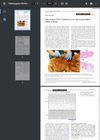 May 2024 in “Animal genetics”
 The researchers investigated a Maine Coon cat with suspected classical Ehlers-Danlos Syndrome and discovered a heterozygous deletion in the COL5A1 gene, underscoring the value of whole-genome sequencing for precise veterinary diagnostics.
 January 2022 in “Yonsei Medical Journal”
 This study found that oral spironolactone improved certain biomarkers in central serous chorioretinopathy patients, but recurrence, especially in older patients, was relatively common.
15 citations
,
July 1975 in “British journal of dermatology/British journal of dermatology, Supplement” This article discusses aspects of Graham-Little syndrome, including follicular keratosis with cicatricial alopecia, and offers no new clinical findings.
39 citations
,
January 2020 in “Scientific Reports” This study identified four circRNAs with significantly different expression levels in Liaoning cashmere goats, suggesting a potential role in regulating cashmere fineness.
1 citations
,
January 2004 in “Adelaide Research & Scholarship (AR&S) (University of Adelaide)” This study concludes that SPARC is likely a secondary response during the hair cycle's transitional phases, indicating tissue-remodeling processes similar to those in wound repair, rather than initiating these transitions.
2 citations
,
February 2022 in “Preprints.org” This study found that fermented red ginseng marc alleviated skin lesions, reduced inflammation, and demonstrated antioxidant effects in an AD-like mouse model, suggesting potential therapeutic applications for atopic dermatitis.
 February 2010 in “Journal of The American Academy of Dermatology”
 The document concludes that using gadolinium-based contrast agents during MRI can be linked to Nephrogenic Systemic Fibrosis in patients with severe kidney disease.