 33 citations
,
August 2018 in “Facial Plastic Surgery Clinics of North America”
33 citations
,
August 2018 in “Facial Plastic Surgery Clinics of North America” This review discusses various biologics for hair aging but reports no agent capable of reversing the natural aging process of hair.
 5 citations
,
June 2024 in “Archives of Dermatological Research”
5 citations
,
June 2024 in “Archives of Dermatological Research” This study found that fractional Er:YAG laser combined with platelet-rich plasma resulted in greater skin repigmentation in patients with localized stable vitiligo compared to microneedling with platelet-rich plasma, with fewer side effects reported in the laser group.
 January 2025 in “Plastic Surgery and Reconstructive Medicine”
 In this study, plasmatherapy was found to improve immune status indicators in patients with vitiligo, particularly benefiting those with segmental vitiligo by normalizing immune markers and reducing IL-6 levels, suggesting its potential as an adjunct treatment to slow depigmentation progression.
 14 citations
,
February 1999 in “The BMJ”
14 citations
,
February 1999 in “The BMJ” This review discusses various aspects of cosmetic surgery, including the importance of professional empathy, the influence of operator skill, and the utility of technological advancements, but it does not present new clinical results.
 240 citations
,
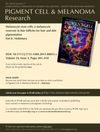
April 2011 in “Pigment Cell & Melanoma Research”
240 citations
,
April 2011 in “Pigment Cell & Melanoma Research” This review discusses the identification and characteristics of melanocyte stem cells, emphasizing their role in hair pigmentation, greying, and skin repigmentation, but reports no new research findings.
 88 citations
,
February 2010 in “JEADV. Journal of the European Academy of Dermatology and Venereology/Journal of the European Academy of Dermatology and Venereology”
88 citations
,
February 2010 in “JEADV. Journal of the European Academy of Dermatology and Venereology/Journal of the European Academy of Dermatology and Venereology” This study reported that vitiligo patients in Turkey had a high prevalence of associated autoimmune diseases and auditory problems, suggesting vitiligo may be part of a systemic autoimmune process.
 67 citations
,
August 2013 in “International Journal of Cosmetic Science”
67 citations
,
August 2013 in “International Journal of Cosmetic Science” This review discusses the role of oxidative stress in hair greying and suggests that understanding melanocyte susceptibility at different follicular locations may help develop therapies for preventing and reversing the process; it reports no new experimental results.
 53 citations
,
January 2009 in “Journal of Investigative Dermatology”
53 citations
,
January 2009 in “Journal of Investigative Dermatology” In this study, UVB irradiation of organ-cultured human anagen hair follicles in vitro reduced hair elongation and increased cell death, affecting hair growth and regulatory processes.
 40 citations
,
January 2009 in “Skin Pharmacology and Physiology”
40 citations
,
January 2009 in “Skin Pharmacology and Physiology” This review discusses the potential use of cultured primary fetal cells from a single organ donation to produce therapeutic products, emphasizing the need for process consistency and safety verification, but reports no clinical results.
 1 citations
,
April 2025 in “JOJ Dermatology & Cosmetics”
1 citations
,
April 2025 in “JOJ Dermatology & Cosmetics” In this study, researchers evaluated the efficacy of a collagen booster used alongside CO2 fractional laser treatment for skin aging, finding that the combination treatment affected the vascularization and healing process of the skin on a healthy adult's forearm.
 1 citations
,
December 2022 in “Middle East Journal of Science”
1 citations
,
December 2022 in “Middle East Journal of Science” This review covers hair dye formulations, their mechanisms, and potential applications, but reports no new findings; the authors highlight the process of oxidative dyeing and repairing damaged hair.
 44 citations
,
April 2017 in “Genes & development”
44 citations
,
April 2017 in “Genes & development” This study identified hair shaft progenitors in the matrix that regulate hair growth and pigmentation by creating a niche dependent on stem cell factor, implicating KROX20+ cells in these processes.
 12 citations
,
November 1945 in “Archives of dermatology”
12 citations
,
November 1945 in “Archives of dermatology” In this study, hair color changes in piebald rats after skin grafting suggest that such changes are more likely due to the surgical process than the new environment.
 15 citations
,
January 2019 in “Experimental Dermatology”
15 citations
,
January 2019 in “Experimental Dermatology” In this study, full-thickness wounding on Lanyu pigs led to scar formation and disrupted cell markers, while partial-thickness wounding allowed limited regeneration of rete ridges and papillary dermis.
 June 2025 in “Clinical Cosmetic and Investigational Dermatology”
 This study examined the factors contributing to gray hair, such as genetics and lifestyle, and found that while graying correlates with some health conditions, it is primarily a physiological process rather than a pathological one.
59 citations
,
March 2003 in “The Lancet” Imatinib can repigment grey hair, while SU11428 can cause temporary hair depigmentation.
 February 2026 in “Clinical Cosmetic and Investigational Dermatology”
 This study highlights how combining genetic and environmental risk assessments could advance early screening and personalized prevention for vitiligo, given its genetic complexity and environmental interactions.
177 citations
,
November 2002 in “British journal of dermatology/British journal of dermatology, Supplement” In this study, stable types of leucoderma such as segmental vitiligo and piebaldism showed 100% repigmentation after melanocyte transplantation, suggesting surgery as the preferred method for these conditions.
 2 citations
,
September 2022 in “Bioscientia medicina”
2 citations
,
September 2022 in “Bioscientia medicina” This literature review highlights the effectiveness of topical vitamin D (e.g., calcipotriol, calcitriol) in treating vitiligo, emphasizing its role in melanogenesis and as an immunomodulator, either alone or combined with topical corticosteroids, offering minimal side effects.
21 citations
,
December 2023 in “Journal of Investigative Dermatology” This study highlights multiple factors contributing to hair graying, such as oxidative damage, melanocyte changes, and genetic influences, and suggests that repigmentation may be temporarily reversible, offering potential targets for future treatments while urging caution when applying mouse model findings to humans.
20 citations
,
February 2023 in “Biology” This review highlights the possibility of safely altering hair color through innovative cosmetics by targeting key biological processes in hair follicles, using insights from mammalian pigmentation studies and drug-induced hair color changes as potential pathways.
This chapter reviews recent developments in vitiligo research, highlighting the role of melanocyte stem cell differentiation and oxidative stress in its management, but reports no new clinical results.
February 2025 in “Jurnal Kedokteran Brawijaya” This study evaluated the efficacy of various skin graft types for burn injury healing, finding that xenografts had the highest repigmentation rate (87.50%), while device-facilitated autologous skin cell transplantation showed outstanding efficacy in reepithelialization, highlighting its potential in clinical practice.
 December 2011 in “InTech eBooks”
 This review discusses the potential role of systemic corticosteroids in the treatment of progressive vitiligo, but reports no new clinical results and suggests further research is needed.
 March 2026 in “Preprints.org”
 In this study, plerixafor was found to enhance melanogenesis and promote repigmentation by engaging a β-arrestin–β-catenin–MITF signaling axis in melanocytes, and showed effectiveness in restoring depigmentation in a murine model without causing systemic toxicity.
March 2024 in “International journal of molecular sciences” In a mouse model study, transcutaneous auricular vagus nerve stimulation (taVNS) significantly reduced depigmentation in vitiligo, potentially through mechanisms that regulate oxidative stress and inflammation, indicating taVNS's promise as a therapeutic approach for this skin disorder.
 170 citations
,
September 2019 in “Evidence-based Complementary and Alternative Medicine”
170 citations
,
September 2019 in “Evidence-based Complementary and Alternative Medicine” This review discusses the use of 36 medicinal plant species for cutaneous wound healing and reports no new clinical results; the authors highlight the potential for these traditional practices to inform modern therapies.
 11 citations
,
July 2008 in “International Journal of Dermatology”
11 citations
,
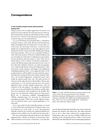
July 2008 in “International Journal of Dermatology” This article discusses a case of patchy alopecia areata that spares greying hairs but reports no new findings; it refers to existing literature for context.
 9 citations
,
December 2020 in “Dermatologic Therapy”
9 citations
,
December 2020 in “Dermatologic Therapy” This review found that oral and topical phosphodiesterase inhibitors and topical prostaglandin analogues are safe and effective treatments for various skin diseases, including psoriasis, atopic dermatitis, vitiligo, and alopecia.
 7 citations
,
August 2013 in “Experimental and Therapeutic Medicine”
7 citations
,
August 2013 in “Experimental and Therapeutic Medicine” In this study, the researchers optimized a method for culturing melanocyte precursors from hair follicles and found that 1,25-dihydroxyvitamin D3 significantly promotes their differentiation and melanin synthesis.