 37 citations
,
May 2007 in “International Journal of Pharmaceutics”
37 citations
,
May 2007 in “International Journal of Pharmaceutics” The study concluded that poly(propylene carbonate maleate) microspheres effectively encapsulated finasteride, achieving a biphasic release with prolonged drug release over 5-6 weeks in vitro.
 17 citations
,
June 2021 in “Molecules”
17 citations
,
June 2021 in “Molecules” This review summarizes the promising role of melatonin combined with nanosized carriers in drug delivery, suggesting enhanced effectiveness in treating various diseases compared to free melatonin.
 8 citations
,
September 2022 in “Biointerface Research in Applied Chemistry”
8 citations
,
September 2022 in “Biointerface Research in Applied Chemistry” This review examines the pharmacological potential of quinoline alkaloids from Cinchona bark for developing new drugs and cosmetics but reports no new findings.
 5 citations
,
November 1992 in “Current problems in dermatology”
5 citations
,
November 1992 in “Current problems in dermatology” This review discusses the role of glucocorticoids in treating severe inflammatory disorders and highlights their potential adverse effects, recommending dosage management to minimize these risks; no new clinical results are reported.
 4 citations
,
October 2025 in “International Journal of Medical Sciences”
4 citations
,
October 2025 in “International Journal of Medical Sciences” This review reported that tripeptides, such as GHK and KdPT, show promise in enhancing wound healing through multiple mechanisms, including promoting cell migration, collagen deposition, and angiogenesis, while offering antimicrobial and anti-inflammatory benefits for both acute and chronic wounds.
 3 citations
,
October 2024 in “World Journal of Advanced Research and Reviews”
3 citations
,
October 2024 in “World Journal of Advanced Research and Reviews” This review highlighted the potential of silver nanoparticles' antibacterial properties across biomedical, pharmaceutical, and dental applications, and emphasized plant-based biosynthesis methods as eco-friendly alternatives to conventional nanoparticle production despite existing toxicity concerns.
 1 citations
,
October 2025 in “Nano Research”
1 citations
,
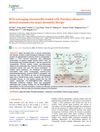
October 2025 in “Nano Research” In this study, researchers developed a dissolvable microneedle patch combining HA-TEMPO and Portulaca oleracea L.-derived nanoparticles, which effectively reduced oxidative stress and inflammation in an atopic dermatitis model while restoring immune balance, suggesting a promising treatment strategy.
 January 2025 in “Nanotechnology Reviews”
 This study reported a green synthesis method for copper oxide nanoparticles using pumpkin seed extract, achieving significant antibacterial activity against Bacillus subtilis and moderate cytotoxic effects against certain cancer cell lines, indicating potential biomedical applications for these eco-friendly nanomaterials.

This study explored the structure and function of lipocalin prostaglandin D synthase, revealing its dual role in substrate catalysis and as a lipophilic ligand carrier, potentially informing future drug delivery design.
 October 2012 in “Humana Press eBooks”
 This article discusses the historical and current uses of grape seeds in various industries but reports no new research findings.
 28 citations
,
March 2014 in “International Journal of Nanomedicine”
28 citations
,
March 2014 in “International Journal of Nanomedicine” This study developed lipid nanoparticles for delivering minoxidil and finasteride to the dermis and hair follicles, showing stability and a desired prolonged release, though with low skin penetration levels.
 23 citations
,
January 2018 in “Elsevier eBooks”
23 citations
,
January 2018 in “Elsevier eBooks” This chapter reviews formulation principles for creating cosmetic nanoemulsions and applications targeting skin and hair care, but does not present new experimental results.
 14 citations
,
January 2025 in “AAPS PharmSciTech”
14 citations
,
January 2025 in “AAPS PharmSciTech” This review highlights the promising potential of microemulsions and nanoemulsions in (trans)dermal drug delivery, noting a gap in understanding their distinct mechanisms and composition-related effects on skin permeability, while emphasizing the limited clarity on mesostructures and cosolvent impacts.
 10 citations
,
June 2018 in “Journal of visualized experiments”
10 citations
,
June 2018 in “Journal of visualized experiments” This study demonstrated that lactate dehydrogenase activity is notably high in quiescent hair follicle stem cells within mouse skin using a specific enzymatic activity assay.
 8 citations
,
October 2018 in “Applied sciences”
8 citations
,
October 2018 in “Applied sciences” This study found that alginate spheres maintain dermal papilla cells in a dormant state with increased trichogenecity, suggesting potential benefits for cell therapy in androgenic alopecia.
 6 citations
,
October 2017
6 citations
,
October 2017 This review summarizes the antioxidant and anticarcinogenic properties of Indian Gooseberry, its phytochemical composition, and its use in traditional Ayurvedic medicine, but reports no new clinical results.
 3 citations
,
December 2000 in “International Journal of Cosmetic Science”
3 citations
,
December 2000 in “International Journal of Cosmetic Science” This study established that a human epidermal model can be utilized to assess 5alpha-reductase activity and evaluate enzyme modulators, such as finasteride, for dermatological applications.
 1 citations
,
October 1996 in “Journal of Cutaneous Medicine and Surgery”
1 citations
,
October 1996 in “Journal of Cutaneous Medicine and Surgery” This review discusses the advancements needed for gene therapy to become commonly used in dermatology and reports no new clinical results.
 May 2026 in “International Journal of Research Publication and Reviews”
 The researchers reported that a polyherbal hair dye using Phyllanthus reticulatus fruit provided effective color, stability, and scalp compatibility without irritation, positioning it as a safe and eco-friendly alternative to synthetic dyes.
 April 2026 in “Frontiers in Bioengineering and Biotechnology”
 This study found that a cellulose membrane significantly shortened the healing time and reduced the ulcer area in patients with chronic venous leg ulcers compared to a standard antimicrobial dressing.
 March 2026 in “IP Indian Journal of Conservative and Endodontics”
 This review discusses the use of platelet-rich plasma in regenerative dentistry, highlighting its biological principles, clinical applications, and the challenges encountered in PRP-based strategies for oral tissue engineering, but reports no new results.
 January 2026 in “Microsystems & Nanoengineering”
 This study analyzed 853 articles to reveal that research on silica-based nanobiomaterials in regenerative medicine has rapidly increased, with distinct regional differences in impact and emerging focus areas in drug delivery and wound healing.
 February 2024 in “Journal of applied pharmaceutical research”
 This study formulated herbal hair oils using extracts such as Coconut and Amla, observing significant improvements in hair growth promotion, antioxidant, and antimicrobial properties in animal models, suggesting potential natural remedies for hair care with further research needed for human application.
 6 citations
,
January 2009 in “Elsevier eBooks”
6 citations
,
January 2009 in “Elsevier eBooks” This chapter discusses the structure and function of the skin, detailing its protective roles and the layers that comprise it, but reports no new research findings.
 1 citations
,
February 2004 in “Journal of The European Academy of Dermatology and Venereology”
1 citations
,
February 2004 in “Journal of The European Academy of Dermatology and Venereology” This paper reports a case of alopecia triangularis congenita in a 22-year-old woman, combined with androgenetic alopecia, and highlights successful treatment with internal and topical antiandrogens.
 31 citations
,
January 2017 in “Phytotherapy Research”
31 citations
,
January 2017 in “Phytotherapy Research” This review reports on the traditional and ethnopharmacological uses of Ziziphus jujuba Mills, noting its increasing global popularity for treating various ailments, but highlights that its acceptance into the European Pharmacopoeia remains unresolved due to scientific and regulatory challenges.
 42 citations
,
January 2014 in “Cold Spring Harbor Perspectives in Medicine”
42 citations
,
January 2014 in “Cold Spring Harbor Perspectives in Medicine” This abstract omits specific findings and does not provide new research results.
 43 citations
,
July 2019 in “Stem Cells International”
43 citations
,
July 2019 in “Stem Cells International” This review discusses advances and challenges in skin tissue engineering, focusing on developing 3D constructs for functional skin substitutes, and reports no new clinical results.
1 citations
,
July 2025 in “Chemosensors” This study developed a closed-loop system for emergency wound care that monitors infection in real-time using biomarkers and delivers amikacin-loaded liposomes for treatment, integrating a conductive hydrogel for environmental protection and antibacterial benefits.
 March 2026 in “Journal of Nanobiotechnology”
 This study developed a hydrogel microneedle system combining ginseng-derived exosomes and biomimetic nanoparticles to address oxidative stress, inflammation, and melanocyte deficiency in vitiligo, showing significant repigmentation in mice within 3 weeks by enhancing melanocyte protection and keratinocyte proliferation.