1 citations
,
January 2012 In this study, the researchers cloned and analyzed the CRABP I gene in Inner Mongolian cashmere goats, finding its highest mRNA expression at 90 days in embryo skin compared to later stages.
 76 citations
,
June 2018 in “EMBO Reports”
76 citations
,
June 2018 in “EMBO Reports” This study demonstrates that YAP and TAZ are essential for initiating basal and squamous cell carcinomas in mice, and suggests targeting these pathways could be beneficial for treating skin cancers.
1 citations
,
January 2015 in “China Animal Husbandry & Veterinary Medicine” This study identified four keratin genes associated with hair follicle development that were expressed more highly in super fine wool Xinji sheep compared to fine wool sheep.
 April 2026 in “Zenodo (CERN European Organization for Nuclear Research)”
 This study utilized computational approaches to screen natural compounds targeting a non-androgen pathway involving PIEZO1 and MLCK for treating androgenetic alopecia, identifying several potential candidates for further validation but making no clinical claims.
 November 2025 in “Frontiers in Pharmacology”
 In this study, XZYFD, a Traditional Chinese Medicine formulation, was found to improve androgenetic alopecia in a testosterone-induced mouse model by promoting hair regrowth, restoring follicular morphology, and modulating androgen metabolism, MAPK signaling, and lipid metabolism pathways, suggesting potential benefits for patients with metabolic dysfunction.

This study found that inhibiting AP-1 activity in mice can induce lineage transdifferentiation between squamous and sebaceous tumors, suggesting AP-1's role in maintaining tumor cell identity.
 April 2023 in “Journal of Investigative Dermatology”
 This study found that PX-12 inhibited the NLRP3 inflammasome and reduced psoriasis-like symptoms in a mouse model, suggesting its potential as a treatment for psoriasis.
 10 citations
,
May 2021 in “Expert Opinion on Drug Delivery”
10 citations
,
May 2021 in “Expert Opinion on Drug Delivery” This study found that CoQ10 formulated in transethosomes showed improved penetration and a better clinical response in treating androgenic alopecia compared to CoQ10 solution.
 1 citations
,
April 2016 in “Journal of The American Academy of Dermatology”
1 citations
,
April 2016 in “Journal of The American Academy of Dermatology” Ixekizumab helps improve life quality, physical ability, and work performance in patients with psoriatic arthritis who haven't used biologic drugs before.
 July 2026 in “Zenodo (CERN European Organization for Nuclear Research)”
 This study used a multi-layer in silico framework to evaluate Korean herbal compounds for androgenetic alopecia, identifying Biochanin A, Saponin Re, and Emodin as potential topical candidates with distinct safety and affinity profiles, although these findings remain purely computational without experimental validation.
 April 2023 in “Journal of Investigative Dermatology”
 This study found that inhibiting PI3 kinase in epidermal stem cells reduces YBX1 phosphorylation, thereby decreasing cellular senescence and enhancing wound healing and regeneration in adult-derived skin models.
84 citations
,
June 2024 in “BMC Public Health” This study observed that while TikTok offers the best flow for videos on laryngeal cancer, YouTube provides higher quality, but video quality overall needs professional enhancement and platform algorithm improvements.
 6 citations
,
February 2025 in “Scientific Reports”
6 citations
,
February 2025 in “Scientific Reports” This study found that MEGA PROTAC improved the prediction of ternary structures with higher maximum DockQ scores compared to the BOTCP method in 16 out of 22 test cases.
2 citations
,
December 2013 in “Journal of dermatology” This letter reports a homozygous missense mutation in the LIPH gene causing autosomal recessive hypotrichosis simplex in a Chinese patient.
 November 2025 in “Clinical Cosmetic and Investigational Dermatology”
 LIPH mutations cause woolly hair in some Chinese people.
 1 citations
,
March 1997 in “Journal of Chromatography B: Biomedical Sciences and Applications”
1 citations
,
March 1997 in “Journal of Chromatography B: Biomedical Sciences and Applications” This study discovered that the disposition of LY191704 enantiomers in rats and dogs is both stereoselective and species specific.
15 citations
,
July 2010 in “Journal of Allergy and Clinical Immunology” This study found that in mouse models, the novel NF-κB inhibitor DHMEQ improved symptoms of atopic dermatitis as effectively as tacrolimus or betamethasone.
23 citations
,
January 1996 in “Software Engineering and Knowledge Engineering” This study hypothesizes a possible association between certain endocrine abnormalities and 11q-syndrome, emphasizing the importance of early diagnosis and management to improve patient quality of life.
 June 2026 in “Zenodo (CERN European Organization for Nuclear Research)”
 This study used molecular docking to analyze the binding affinities of quercetin and kaempferol, plant-derived flavonoids, showing they have promising interaction profiles with JAK3 kinase and moderate binding with 5-alpha reductase type 2, suggesting potential as topical treatments for androgenetic alopecia.

In this study, researchers successfully cloned the KAP24.1 gene from sheep to analyze its expression in skin and hair follicles, finding that Mountain-type Hetian sheep showed the highest levels of expression and that androgen concentration significantly influenced KAP24.1 protein expression.
 25 citations
,
November 2022 in “British journal of dermatology/British journal of dermatology, Supplement”
25 citations
,
November 2022 in “British journal of dermatology/British journal of dermatology, Supplement” In this analysis, safety data from two clinical trials showed that baricitinib for severe alopecia areata had predictable side effects like infections and elevated CPK, with some serious adverse events noted at low incidence rates; no deaths were reported.

This study found a significant positive association between higher air quality index values and the incidence of alopecia areata, with a clear dose-response relationship observed among the participants.
 3 citations
,
January 2018 in “Biomedical dermatology”
3 citations
,
January 2018 in “Biomedical dermatology” This study found that epigallocatechin-3-gallate (EGCG) may reduce paclitaxel-induced apoptosis in human dermal papilla cells by regulating microRNA expression related to apoptosis and cell proliferation.
September 2024 in “Open Repository of the University of Porto (University of Porto)” In this report, a participant in a Portuguese pharmacy master's program detailed their six-month internship at Farmácia Queija Ferreira, highlighting their involvement in medication preparation, creating educational resources, and studying drug interactions, including serious cases involving diclofenac and brimonidine.
3 citations
,
October 2024 in “Frontiers in Pharmacology” This laboratory study found that PI extract, along with its metabolites Ang and Mac, inhibited cell proliferation and protein expression linked to pathways involved in BPH, suggesting potential for therapeutic use, although the Ang-Mac combination showed no significant effect on apoptosis through the p53 pathway.
 4 citations
,
February 2021 in “Plant journal”
4 citations
,
February 2021 in “Plant journal” This study found that the protein OsUEV1B is essential for maintaining phosphate balance in rice, with Pi deficiency leading to its inhibition and causing overaccumulation of phosphate in mutants.
 13 citations
,
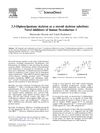
August 2007 in “Bioorganic & medicinal chemistry letters”
13 citations
,
August 2007 in “Bioorganic & medicinal chemistry letters” This study developed a new competitive 5alpha-reductase inhibitor with an IC(50) of 0.84 microM using a novel chemical structure.
July 2022 in “Institutional Repositories DataBase (IRDB)” 3D spheroid cells effectively test hair growth compounds like Minoxidil.
January 2026 in “International Journal of Dermatology” This article discusses the development of the Alopecia Areata Children's Quality of Life Index and highlights its potential importance for assessing the psychosocial burden in pediatric cases, without providing clinical results.
6 citations
,
January 2022 in “Database” This database provides detailed physiological parameters of porcine skin to enhance the MPML MechDermA Model, improving dermal absorption predictions for human studies in the Simcyp Simulator.