November 2022 in “bioRxiv (Cold Spring Harbor Laboratory)” This study found that prostaglandin E2 pretreatment may reduce radiotherapy-induced alopecia by enhancing hair follicle self-repair through transient G1 arrest, suggesting a potential preventive treatment.
 21 citations
,
January 2015 in “The Journal of Steroid Biochemistry and Molecular Biology”
21 citations
,
January 2015 in “The Journal of Steroid Biochemistry and Molecular Biology” In this study, researchers demonstrated that in a mouse model, the stimulation of mammary tumor growth due to progesterone is primarily caused by its metabolite, 5αP, not progesterone itself.
 August 2009 in “Australian Prescriber”
 This article discusses the newly approved drug dutasteride for managing benign prostatic hyperplasia, but reports no new research findings; the authors advise obtaining complete information before prescribing.
 6 citations
,
April 2004 in “Journal of Enzyme Inhibition and Medicinal Chemistry”
6 citations
,
April 2004 in “Journal of Enzyme Inhibition and Medicinal Chemistry” This study found that four new progesterone derivatives reduced prostate weight in gonadectomized hamsters, suggesting potent in vivo antiandrogenic effects similar to finasteride.
 November 2024 in “Postępy Biochemii”
 This article highlights the potential for latanoprost acid, a metabolite of the glaucoma medication latanoprost, to serve as an effective alternative to current treatments for androgenetic alopecia, such as minoxidil and finasteride, facilitating a faster development process for related drugs.
12 citations
,
March 2004 in “Der Urologe” This review of studies on prostate cancer chemoprevention in Europe reports no robust evidence supporting the effectiveness of chemopreventive agents, though vitamin E and selenium may potentially contribute to prevention efforts.
2 citations
,
August 2017 in “Drug and therapeutics bulletin” This article reviews various updates in dermatology, including drug safety alerts and treatment options, and reports no new clinical results.
3 citations
,
April 2021 in “Oncology Times” This study reports that sacituzumab govitecan achieved a 33.3% overall response rate in patients with metastatic triple-negative breast cancer who had prior treatments, with a median response duration of 7.7 months.
 June 2019 in “Reactions Weekly” 78 citations
,
October 2003 in “Cochrane library”
June 2019 in “Reactions Weekly” 78 citations
,
October 2003 in “Cochrane library” This review found that adding cyproterone acetate to estradiol showed a subjective improvement in hirsutism versus placebo, but comparisons with other therapies revealed no clinical differences.
 April 2018 in “Journal of Investigative Dermatology”
 This study suggests that weekly oral finasteride may be a promising alternative to isotretinoin for treating nodulocystic acne, showing substantial improvements with lower incidence of sexual dysfunction.
 27 citations
,
July 2009 in “Experimental and Clinical Endocrinology & Diabetes”
27 citations
,
July 2009 in “Experimental and Clinical Endocrinology & Diabetes” This study found that finasteride significantly improved hirsutism scores in women over 12 months and was well-tolerated with no serious side effects.
August 2011 in “SpringerReference” 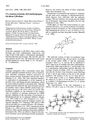 December 1998 in “Acta Crystallographica Section C-crystal Structure Communications”
 This study describes the molecular conformation and intermolecular interactions in the crystalline structure of the compound C24H31BrO4.
7 citations
,
January 2010 in “JAMA” This abstract highlights that preliminary results from the REDUCE trial indicate dutasteride may lower prostate cancer incidence by 23% in older men compared to a placebo.
24 citations
,
November 1978 in “JAMA” This study reports that valproic acid is effective in treating absence seizures and shows improvement in other types of seizures, though about 20% of patients experienced adverse effects.
July 2006 in “Inpharma Weekly”  August 1994 in “Drugs & Therapy Perspectives”
 The document concludes that H2-antagonists and proton pump inhibitors are highly effective for ulcers, eradicating Helicobacter pylori is important to prevent recurrence, and misoprostol helps with NSAID-related ulcers.
 January 2007 in “Inpharma Weekly”
 Dutasteride is more effective for male pattern baldness than finasteride, and black cohosh extract BNO 1055 is as effective as conjugated estrogens in treating postmenopausal symptoms, with added benefits in reducing sweating and mental symptoms.
 January 2025 in “Advances in Dermatology and Allergology”
 In this prospective study of 135 women with hirsutism, researchers reported that treatment approaches varied, with oral contraceptives, dexamethasone, and metformin widely used, and emphasized a holistic approach including lifestyle changes and mental health support to effectively manage the condition.
 14 citations
,
November 2008 in “Expert opinion on drug metabolism & toxicology”
14 citations
,
November 2008 in “Expert opinion on drug metabolism & toxicology” This article reviews the use of finasteride for treating benign prostatic hyperplasia and its chemopreventive potential for prostate cancer, but it calls for further discussion on its preventive use in high-risk groups.
1 citations
,
January 2005 in “The Journal of Urology” This article presents a therapeutic perspective on Proscar and Propecia for treating prostate conditions but reports no new research findings.
 30 citations
,
July 2001 in “BJUI”
30 citations
,
July 2001 in “BJUI” Combination therapy improves urinary flow and reduces residual urine, but needs better stent design.
33 citations
,
January 2008 in “Journal of Molecular Neuroscience” 74 citations
,
April 2002 in “PubMed” This study found that the oral contraceptive containing drospirenone (EE/DRSP) was as effective as EE/CPA in reducing acne lesions, sebum production, and hair growth in women with acne.
April 2009 in “The FASEB Journal” This review of the Motherisk Program's counseling experience found a scarcity of information on medication safety related to paternal exposure to drugs and chemicals during the peri-conception period, emphasizing the need for further research.
180 citations
,
June 2004 in “Journal of Pharmacology and Experimental Therapeutics” This study found that progesterone's antiseizure effects in mice occurred primarily through conversion to allopregnanolone, rather than through the progesterone receptor, as evidenced by results in PR knockout mice.
1 citations
,
April 2008 in “Progrès en Urologie” This article discusses the potential of finasteride as a chemopreventive agent for prostate cancer and highlights unresolved issues, but it reports no new research findings.
64 citations
,
January 2001 in “Pharmacotherapy The Journal of Human Pharmacology and Drug Therapy” This review discusses the diverse pharmacological activities of misoprostol across multiple health conditions but reports no new clinical data, highlighting potential applications beyond its traditional uses.
 October 2021 in “Meditsinskiy sovet = Medical Council”
 This study found that cyproterone acetate treatment improved quality of life and reduced anxiety and depressive symptoms in women with skin manifestations of hyperandrogenism.