 2 citations
,
January 2011 in “Andrologia”
2 citations
,
January 2011 in “Andrologia” This study concluded that 16β-methyl-17α-benzoyloxypregnen-4-en-3,20-dione may be a promising treatment for androgen-dependent diseases and epilepsy due to its antioxidant effects and impact on GABAergic and serotonergic metabolism in rats.
 March 2016 in “Reactions Weekly”
 Post-finasteride syndrome causes various symptoms in men using finasteride, with no known cure.
 15 citations
,
June 2018 in “Food Reviews International”
15 citations
,
June 2018 in “Food Reviews International” This review discusses the potential benefits of pumpkin seed oil for men's health, particularly in conditions such as benign prostatic hyperplasia, overactive bladder, and androgenic alopecia, but reports no new clinical results.
 October 2006 in “Aging Health”
 This study found that dutasteride significantly reduces the risk of acute urinary retention and surgical intervention in men with benign prostatic enlargement compared to placebo.
 139 citations
,
December 2020 in “Cell Stem Cell”
139 citations
,
December 2020 in “Cell Stem Cell” Male hormones affect COVID-19 severity and certain drugs targeting these hormones could help reduce the risk.
 January 2020 in “Figshare”
 In this study, men under 40 using finasteride for alopecia who experienced persistent sexual side effects and insomnia were reportedly at risk for suicide.
 4 citations
,
June 2017 in “Endocrine Reviews”
4 citations
,
June 2017 in “Endocrine Reviews” Dihydrotestosterone (DHT) mainly affects nearby cells, doesn't significantly change prostate hormonal environment or cancer risk, and doesn't play a main role in causing hair loss or acne. More research is needed on its effects on heart health, sexual function, and bone health.
 1 citations
,
May 2001 in “Pharmacology & Toxicology”
1 citations
,
May 2001 in “Pharmacology & Toxicology” This review discusses the preclinical findings on cyproterone acetate and suggests that while it has a low potential cancer risk for patients, its tumor effects in female rats may involve both genotoxic and mitogenic mechanisms.
This study concluded that pretreatment with finasteride or bicalutamide did not significantly affect the heat sensitivity of prostate cancer cells, although some cell lines showed increased viability at higher temperatures.
22 citations
,
January 2017 in “Journal of steroid biochemistry and molecular biology/The Journal of steroid biochemistry and molecular biology” This study developed and validated a mass spectrometric method to measure hydroxy-androgens in serum, which aids in understanding androgen synthesis in castration resistant prostate cancer.
 12 citations
,
April 1995 in “Journal of Medicinal Chemistry”
12 citations
,
April 1995 in “Journal of Medicinal Chemistry” In this study, 4-substituted N-(1,1-dimethylethyl)-3-oxo-4-androstene-17.beta.-carboxamides were synthesized and evaluated in vitro as potential 5 alpha-reductase inhibitors and antiandrogens.
2 citations
,
January 2023 in “PubMed” This review discusses the potential role of FGF5 as a therapeutic target in prostate cancer and other conditions but reports no new results, highlighting a need for further research on FGF5 inhibitors.
 March 2011 in “European Urology Supplements”
 Blood tests for tumor cells could improve prostate cancer diagnosis and treatment; hair loss severity linked to a gene affecting prostate conditions.
 17 citations
,
November 2012 in “Cancer Epidemiology, Biomarkers & Prevention”
17 citations
,
November 2012 in “Cancer Epidemiology, Biomarkers & Prevention” This study observed that men with vertex androgenetic alopecia at age 40 had a higher risk of early-onset prostate cancer, suggesting a potential link between the conditions.
 16 citations
,
April 2007 in “Journal of Obstetrics and Gynaecology Research”
16 citations
,
April 2007 in “Journal of Obstetrics and Gynaecology Research” In this study, serum PSA levels were higher in women with PCOS, suggesting it may serve as a marker for hyperandrogenism in this condition.
 February 2012 in “Expert Review of Endocrinology & Metabolism”
 This abstract reviews the unclear link between androgenic alopecia and prostate cancer, highlighting the need for further research to determine the mechanisms connecting these two conditions.

This study found that vertex pattern androgenetic alopecia was significantly associated with an increased risk of prostate cancer, whereas any pattern of the condition did not show a significant risk increase.
 March 2010 in “The Journal of Urology”
 This study found that men with early-onset androgenetic alopecia had larger prostate volumes and lower urinary flow rates compared to those without the condition, suggesting a potential link between AGA and urinary symptoms.
This study found that cell strains overexpressing the androgen receptor proliferated better in low or no DHT conditions and translocated AR more efficiently than control strains.
January 1978 in “Enlighten: Theses (The University of Glasgow)” This study investigated various compounds inhibiting testosterone 5alpha-reductase for potential treatment of benign prostatic hyperplasia, finding that heparin and progesterone demonstrated inhibitory effects under specific conditions.
 27 citations
,
January 1984 in “Pharmacology & Therapeutics”
27 citations
,
January 1984 in “Pharmacology & Therapeutics” This review discusses androgen manipulation strategies for conditions like benign prostatic hyperplasia and prostatic carcinoma but reports no new clinical results.
 September 2011 in “Urology”
 This study reports on biofeedback treatment for dysfunctional voiding in three adult cases, providing insights into this condition when diagnosed beyond childhood.
 2 citations
,
October 2001 in “Analytical Sciences”
2 citations
,
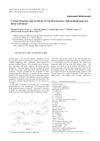
October 2001 in “Analytical Sciences” A new compound that could treat various androgen-related conditions was created and analyzed.
 25 citations
,
March 2000 in “Journal of Endocrinological Investigation”
25 citations
,
March 2000 in “Journal of Endocrinological Investigation” Testosterone therapy aims to treat hormone deficiencies and various conditions safely and effectively, but requires careful patient monitoring due to potential side effects.
September 2024 in “The Scientific Issues of Ternopil Volodymyr Hnatiuk National Pedagogical University Series pedagogy” This study reports that hyperuricemia is a widespread metabolic condition linked with several diseases, including gout and cardiovascular disease, and highlights the importance of lifestyle modifications, particularly in males, for managing this condition efficiently.
 54 citations
,
November 2001 in “Urology”
54 citations
,
November 2001 in “Urology” This review discusses the association between androgen receptor CAG repeat polymorphism and several health conditions, including Kennedy’s disease and urologic disorders, without reporting new clinical results.
April 2017 in “The Journal of urology/The journal of urology” This study found that urologist prescription practices for three common conditions led to nearly $410 million in excess Medicare Part D spending on higher cost and non-generic drugs in 2014.
14 citations
,
April 1978 in “International Journal of Dermatology” This article reviews the effects of antiandrogens on the skin and suggests their potential in treating conditions like acne and hirsutism, but reports no new clinical results.
 April 2022 in “Indian Journal of Forensic Medicine & Toxicology”
 This study found that PSA concentrations in peripheral blood are related to androgen levels, suggesting that PSA is a valuable marker for diagnosing hyperandrogenism in women.
March 2014 in “Annals of Internal Medicine” This review found that adding α1-blockers to 5α-reductase inhibitors may improve lower urinary tract symptoms in men with non-neurogenic conditions, based on existing evidence.