 65 citations
,
August 2007 in “Experimental Dermatology”
65 citations
,
August 2007 in “Experimental Dermatology” This study found that prostaglandin metabolism enzymes are present in human hair follicles, suggesting a potential role in hair growth and differentiation, with some expression differences between men and women.
 47 citations
,
September 2013 in “Aaps Pharmscitech”
47 citations
,
September 2013 in “Aaps Pharmscitech” This study found that liquid crystalline nanoparticles formulated with Cremophor surfactants significantly enhanced skin permeation of finasteride compared to lower surfactant concentrations.
 9 citations
,
November 2012 in “Biomolecules & therapeutics”
9 citations
,
November 2012 in “Biomolecules & therapeutics” This study found that diphlorethohydroxycarmalol significantly increased prostaglandin $E_2$ synthesis in HaCaT human keratinocytes by upregulating COX-1 and COX-2 expression, suggesting potential benefits from elevated $PGE_2$ production.
 June 2025 in “Pharmacon Jurnal Farmasi Indonesia”
 This systematic review found that mangkokan leaf formulations, especially ethosomal gel or phytosome lotion at 25% concentration, were most effective in stimulating hair growth and improving hair health through various biological mechanisms.
August 2026 in “Journal of Drug Delivery Science and Technology” July 2024 in “Journal of Investigative Dermatology” ATR04-484 ointment shows promise for treating skin issues from cancer therapies.
 4 citations
,
May 2023 in “Research Square (Research Square)”
4 citations
,
May 2023 in “Research Square (Research Square)” This study found that cephalanthine inhibited the growth of gastric cancer cells in vitro and in vivo by inducing oxidative stress and altering energy metabolism, suggesting its potential as a treatment for gastric cancer.
 April 2026 in “Antioxidants”
 In this study, broccoli sprout extract and sulforaphane were found to reduce cell viability, suppress growth, and induce apoptosis in breast cancer cells, and oral broccoli sprout extract inhibited tumor growth in animal models, suggesting it may be effective in managing breast cancer.
June 2025 in “Food Science & Nutrition” This study found that peimine treatment significantly improved wound healing and tissue regeneration in mice by enhancing wound closure, granulation tissue formation, and epidermal thickness, with effects linked to activation of the Notch1 signaling pathway.
December 2025 in “Molecules” This study developed a method using UHPLC-MS/MS and MSPE to detect trace amounts of sex hormones in cosmetics, finding progestins and estrogens in some products, and performed a preliminary safety evaluation for residual progesterone in hair loss prevention cosmetics.

This study investigated the phytochemicals in Phyla nodiflora leaf extracts and identified n-Hexadecanoic acid, stigmasterol, and beta-sitosterol as promising drug candidates for diabetes, alopecia, cancer, and anti-diuresis, advocating further research into these compounds.
 6 citations
,
October 1993 in “Endocrinology”
6 citations
,
October 1993 in “Endocrinology” In this study, researchers found that finasteride inhibits progesterone synthesis by blocking cholesterol side-chain cleavage in mouse-derived MA-10 Leydig cells, but this effect may not be evident in human or rat cells.
 April 2023 in “The journal of investigative dermatology/Journal of investigative dermatology”
 This study found that the natural estrogen Estetrol (E4) may promote hair follicle growth and prevent miniaturization, suggesting its potential as a treatment for hair loss disorders.
 9 citations
,
January 2017 in “Organic Process Research & Development”
9 citations
,
January 2017 in “Organic Process Research & Development” This article describes the efficient synthesis of (S)-N-(2-bromo-6-methoxypyridin-4-yl)-2-hydroxy-2,4-dimethylpentanamide, a novel topical antiandrogen, with high purity and enantiomeric excess but reports no pharmacological results.
 5 citations
,
September 2009 in “Journal of Complementary and Integrative Medicine”
5 citations
,
September 2009 in “Journal of Complementary and Integrative Medicine” This study found that the petroleum ether extract of Citrullus colocynthis fruit and an isolated steroidal compound may reduce prostatic hyperplasia in rats induced by testosterone, suggesting potential use in managing androgen-dependent conditions.
1 citations
,
April 2021 in “Journal of Cosmetic Dermatology” In this placebo-controlled clinical study, a cream containing 4% capryloyl glycine and 1% glycine soy‐fermented extract effectively inhibited ODC1 activity and improved hypertrichosis in 91.7% of Caucasian female patients on the forearms, whereas no improvement was observed with the placebo.
 12 citations
,
August 2021 in “International Journal of Biological Macromolecules”
12 citations
,
August 2021 in “International Journal of Biological Macromolecules” This study observed that Poria cocos polysaccharides and finasteride both reduced inflammation in chronic nonbacterial prostatitis in rats, but only Poria cocos polysaccharides reversed related changes in the gut microbiota.
 January 2007 in “Inpharma Weekly”
 Dutasteride is more effective for male pattern baldness than finasteride, and black cohosh extract BNO 1055 is as effective as conjugated estrogens in treating postmenopausal symptoms, with added benefits in reducing sweating and mental symptoms.
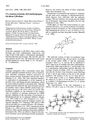 December 1998 in “Acta Crystallographica Section C-crystal Structure Communications”
 This study describes the molecular conformation and intermolecular interactions in the crystalline structure of the compound C24H31BrO4.
2 citations
,
January 2009 This article reviews the development of a topical hair growth agent using natural extracts and reports no new clinical results, emphasizing the need for further evaluation of its efficacy.
 13 citations
,
October 2013 in “The Journal of Dermatology”
13 citations
,
October 2013 in “The Journal of Dermatology” This study found that topical cepharanthine increased IGF-I production in human dermal papilla cells, suggesting it may stimulate hair growth and be a promising treatment option for androgenetic alopecia.
 1 citations
,
April 2016 in “Journal of Investigative Dermatology”
1 citations
,
April 2016 in “Journal of Investigative Dermatology” This study identified that blocking the PTGDR2 receptor in human hair follicles in vitro and in mice reversed the hair growth inhibition caused by PGD2, suggesting a potential approach for treating alopecia.
May 2022 in “Zenodo (CERN European Organization for Nuclear Research)” This article discusses the potential health benefits of pumpkin seed oil, highlighting its uses in heart wellness, skincare, bone health, hair growth, and more, but it reports no new clinical results.
January 2011 in “Zhongguo xin yao zazhi” This study developed a new method for synthesizing finasteride that eliminates the need for expensive and toxic chemicals, achieving high purity and a 24.2% yield.
 April 2025 in “Research Square (Research Square)”
 In this chicken embryo study, E40 hemp seed callus-derived exosomes counteracted DHT-induced inhibition of hair follicle development, suggesting potential for alopecia treatment and hair follicle regeneration.
 9 citations
,
August 2005 in “Experimental Dermatology”
9 citations
,
August 2005 in “Experimental Dermatology” In this study, the researchers report that a modified epimorphin-derived peptide shows potential for hair follicle regeneration, especially when used with 1% minoxidil in mice.
March 2022 in “Research Square (Research Square)” This study found that certain bioactive mushroom metabolites may inhibit the enzyme SRD5A2 more effectively than finasteride in computational models, suggesting potential for further research in treating androgenic alopecia.
 79 citations
,
March 1999 in “The journal of investigative dermatology/Journal of investigative dermatology”
79 citations
,
March 1999 in “The journal of investigative dermatology/Journal of investigative dermatology” This study found that procyanidin oligomers, particularly dimers and trimers, significantly promoted hair growth in mice and hair epithelial cell cultures, suggesting potential use as hair growth agents.
August 2011 in “SpringerReference”  April 2017 in “Journal of Investigative Dermatology”
 This study found that SM04755, a novel topical drug, inhibited inflammation, keratinocyte proliferation, and fibrosis in vitro and improved skin health in a mouse model of psoriasis, indicating potential as a topical psoriasis treatment.