26 citations
,
April 2024 in “Particle and Fibre Toxicology” In this study, researchers investigated the penetration and cellular responses to nanoplastics in human skin models with compromised barriers, finding that nanoplastics can penetrate the skin, accumulate in cells, and trigger inflammatory responses through specific signaling pathways.
September 2026 in “International Journal of Nanomedicine” This review discusses the potential of extracellular vesicles as a minimally invasive treatment for androgenetic alopecia, but emphasizes that most research is still in preclinical stages and more clinical trials are needed.
14 citations
,
March 2021 in “Actas Dermo-Sifiliográficas” This review discusses the JAK/STAT signaling pathway's role in immune-mediated skin diseases and examines the efficacy and safety of JAK inhibitors for treating vitiligo and alopecia areata, but reports no new clinical results.
 5 citations
,
September 2022 in “Research Square (Research Square)”
5 citations
,
September 2022 in “Research Square (Research Square)” This study identified CD201+ fibroblast progenitors in mouse skin that regulate wound healing through differentiation into specialized cell types, with retinoic acid and hypoxia influencing this process.
 January 2026 in “Materials Horizons”
 This source highlights the challenge in achieving scarless healing with skin appendage regeneration for wounds and notes that vitamin A derivatives show promise for promoting new follicle growth. However, specific results from this research are not reported in the abstract.
 39 citations
,
August 2022 in “Cell Death and Disease”
39 citations
,
August 2022 in “Cell Death and Disease” This study found that a dopamine-methacrylated hyaluronic acid hydrogel enhances the efficacy of adipose-derived stem cells in promoting skin regeneration, potentially involving the Notch signaling pathway.
 February 2025 in “Intisari Sains Medis”
 This article explores the potential mechanisms by which polydeoxyribonucleotide (PDRN) could improve skin quality, slow aging, and enhance skin regeneration, but reports no new clinical findings.
50 citations
,
November 2021 in “Viruses” This study observed that in vitro exposure to dihydrotestosterone worsened COVID-19 spike protein-induced endothelial injury, while spironolactone showed potential in reducing this effect, suggesting a rationale for further evaluation in treating COVID-19.
 April 2026 in “Frontiers in Immunology”
 This study concluded that the CXCL12–CXCR4 signaling pathway significantly contributes to hair loss in androgenetic alopecia and alopecia areata by promoting inflammation and fibrosis, whereas inhibiting this pathway can restore hair growth and follicle health.
December 1981 in “ビジネスコミュニケ-ション” In this study, TRPV1 signaling was found to play a critical, previously unrecognized role in human sebocyte biology, and targeting this pathway may offer a new approach for managing inflammatory sebaceous gland disorders like acne.
 September 2023 in “Medicine”
 This study found increased infiltration of specific immune cells, such as γδ T cells and CD8+ T cells, in the bald scalp of male androgenetic alopecia patients, and identified four key immune-related genes potentially involved in hair loss development through interferon-γ signaling pathways.
 7 citations
,
May 2020 in “Trends in molecular medicine”
7 citations
,
May 2020 in “Trends in molecular medicine” This study explored the immune environment of the hair follicle's bulge region and suggested that its unique signaling may prevent melanoma formation by lacking necessary proinflammatory signals for full oncogenic transformation, indicating potential strategies for melanoma prevention by replicating this immune-privileged environment.
4 citations
,
August 2024 in “International Journal of Molecular Sciences” This study found that a combination of natural compounds (escin, bromelain, ginkgo biloba, and sage miltiorrhiza) reduced platelet adhesion to activated endothelium in laboratory settings by inhibiting adhesion molecule transcription and reducing pro-inflammatory cytokines, potentially preventing initial steps of the coagulation cascade.
7 citations
,
January 2020 in “The journal of investigative dermatology/Journal of investigative dermatology” This study shows that NIPP1 deficiency in mouse epidermis leads to hyperproliferation, hair loss, and chronic skin inflammation, which can be partially alleviated by dexamethasone treatment.
July 2025 in “Pharmaceutics” This study found that Annexin A5 significantly reduced fibrosis and inflammation in both preventive and therapeutic contexts in a bleomycin-induced localized scleroderma mouse model, demonstrating its potential anti-fibrotic and anti-inflammatory effects for treating fibrotic diseases.
 March 2025 in “Ukrainian Journal of Dermatology Venerology Cosmetology”
 This review highlights the crucial role of the immune system in hair follicle regulation and its potential link to autoimmune disorders like alopecia areata. It suggests that understanding immune-mediated hair regeneration could lead to new treatments for this condition.
 April 2023 in “Journal of Investigative Dermatology”
 This study identified a new role for IL-4Ra-induced oxidative metabolism in wound macrophages, essential for balancing inflammatory response and promoting pro-fibrotic repair, suggesting a target for fibrosis prevention.
 4 citations
,
February 2018 in “Journal of Investigative Dermatology”
4 citations
,
February 2018 in “Journal of Investigative Dermatology” This study suggests that thermal imaging may aid in diagnosing cellulitis, potentially improving patient care, although its applicability to certain cases requires further investigation.
29 citations
,
December 2022 in “Journal of Nanobiotechnology” In this study, IFN-γ-stimulated iPSC-derived mesenchymal stem cell extracellular vesicles improved atopic dermatitis in mice by reducing Th2 cytokine activity, suppressing inflammation, and restoring skin barrier function, as evidenced by decreased itching and inflammatory markers.
 May 2025 in “Experimental Dermatology”
 This study found that specific TRPM5 modulators are unlikely to directly affect sebaceous glands, but safe TPPO analogues may provide moderate lipogenic and anti-inflammatory effects beneficial for dry skin conditions.
5 citations
,
March 2025 in “Pediatric Dermatology” This study found that alopecia areata is linked to genetic factors, specifically HLA haplotypes on chromosome 6, and involves immune privilege collapse at hair follicles which is mediated by the JAK-STAT pathway and pro-inflammatory cytokines like IFN-γ.
3 citations
,
September 2024 in “Animal Cells and Systems” In this study, researchers found that a specific Sargassum horneri extract processed via low-temperature pulverization improved burn wound healing in mice by enhancing re-epithelialization and reducing inflammation and oxidative stress, highlighting its potential as a therapeutic candidate.
July 2026 in “Clinical Case Reports” This single-patient case study reported promising results for severe, corticosteroid-resistant alopecia areata, with treatment using exosomes derived from mesenchymal stromal cells leading to almost complete hair regrowth in 12 weeks and favorable changes in inflammatory markers, suggesting potential for further investigation.
In this study, the combined treatment of ursolic acid and resveratrol was evaluated for its effects on skin tumor promotion in female FVB mice. The combination was applied topically before TPA treatment and was found to significantly inhibit TPA-induced epidermal hyperproliferation, signaling pathways, and skin inflammation more effectively than either compound alone. Key signaling pathways affected included EGFR, STAT3, and NF-κB, among others. The combination also increased tumor suppressor levels and reduced proinflammatory cytokine expression. Overall, the combined treatment resulted in a greater reduction in tumor multiplicity and size, highlighting its potential as a more effective strategy for inhibiting skin tumor promotion compared to individual treatments.
In this study, the combined treatment of ursolic acid and resveratrol was evaluated for its inhibitory effects on skin tumor promotion in female FVB mice. The combination was applied topically before TPA treatment and was found to significantly inhibit TPA-induced epidermal hyperproliferation, signaling pathways, and skin inflammation more effectively than either compound alone. Key signaling pathways affected included EGFR, STAT3, and NF-κB, among others. The combination also increased tumor suppressor levels and reduced proinflammatory cytokine expression. Overall, the combined treatment resulted in a greater reduction in tumor multiplicity and size, highlighting its potential as a more effective strategy for preventing skin tumor promotion compared to individual treatments.
 150 citations
,
October 2010 in “The American Journal of Pathology”
150 citations
,
October 2010 in “The American Journal of Pathology” This review discusses the pathogenesis and challenges in treating primary cicatricial alopecia, highlighting the need to understand immune protection collapse in hair follicle stem cells; it reports no new clinical results.
7 citations
,
March 2022 in “International Journal of Molecular Sciences” This study found that FGF21 suppresses inflammation induced by C. acnes in both human skin cells and mouse models, suggesting potential use in acne treatment.
 December 2023 in “The journal of investigative dermatology/Journal of investigative dermatology”
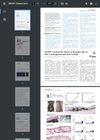
 In a mouse model study, researchers observed that the absence of MCPIP1 in myeloid cells decreased susceptibility to chemically induced skin papillomas but caused significant hair loss and skin pigmentation changes, suggesting a role for MCPIP1 in skin carcinogenesis and follicle integrity.
1 citations
,
April 2018 in “Journal of Investigative Dermatology” This study found that topical simvastatin induced remission and hair regrowth in a mouse model of alopecia areata, potentially by modulating T cell activity and reducing pro-inflammatory cytokine signaling.
 April 2026 in “Cellular and Molecular Immunology”
 In a conditional knockout mouse model, this study found that loss of the transcription elongation factor SPT6 in basal keratinocytes led to psoriasis-like skin inflammation and delayed wound healing, suggesting SPT6 plays a crucial role in maintaining epidermal immune quiescence by suppressing proinflammatory NF-κB signaling.