 9 citations
,
February 2022 in “Biomolecules”
9 citations
,
February 2022 in “Biomolecules” This review concludes that while many epidemiological studies suggest high alcohol intake is associated with an increased risk of prostate cancer, the evidence may be affected by confounding factors such as diet and lifestyle.
 11 citations
,
July 2020 in “International Journal of Ayurvedic Medicine”
11 citations
,
July 2020 in “International Journal of Ayurvedic Medicine” This study identified 26 bioactive compounds in the ethanol extract of Indigofera tinctoria leaves, which are linked to various therapeutic activities, supporting its traditional medicinal use in treating numerous health conditions.
 171 citations
,
October 1990 in “Alcoholism/Alcoholism, clinical and experimental research”
171 citations
,
October 1990 in “Alcoholism/Alcoholism, clinical and experimental research” The document concludes that the exact way alcohol causes harm to fetal development is unknown, but it significantly affects nutrient transport to the fetus and a safe level of alcohol during pregnancy is not determined.
 January 2023 in “International Journal of Molecular Sciences”
 This review discusses the biologically active compounds in Maxillariinae orchids, highlighting 62 semiochemicals with medical potential, but reports no new clinical findings.
 22 citations
,
October 2012 in “Journal of Investigative Dermatology”
22 citations
,
October 2012 in “Journal of Investigative Dermatology” This study found that C57BL/6 mice with a diet containing specific levels of vitamin A showed alterations in retinoid metabolism and increased frequency of cicatricial alopecias, suggesting dietary factors may play a role in this condition.
 January 2026 in “International Journal of Current Research and Review”
 This review of Adiantum capillus-veneris highlights its traditional medicinal uses, rich phytochemical profile, and broad range of pharmacological activities, but emphasizes the need for more research to validate and expand its therapeutic applications.
 1 citations
,
January 2009 in “Elsevier eBooks”
1 citations
,
January 2009 in “Elsevier eBooks” This chapter reviews techniques for treating pseudofolliculitis barbae and suggests that combining daily shaving with topical treatments like glycolic acid may effectively manage this condition without new clinical results reported.
 1 citations
,
May 2022 in “International Journal of Health Sciences (IJHS) (En línea)”
1 citations
,
May 2022 in “International Journal of Health Sciences (IJHS) (En línea)” This research reports the presence of various physicochemical constituents and nutrients in glycine max (soybean) milk and okara, highlighting its potential medicinal and nutritional benefits.
 January 2025 in “International journal of Indian medicine”
 This review discusses nine Ayurvedic medicinal herbs listed in the Dhanvantari Nighantu as beneficial for hair, detailing their properties like promoting hair growth, enhancing hair thickness, and maintaining dark hair color, alongside supporting research on these effects.
 December 2024 in “International Journal of Research in Ayurveda and Pharmacy”
 This review highlights the potential benefits of Sowbhagya Chundi Legiyam, a Siddha herbal formulation containing Zingiber officinale, for supporting women's health during the puerperal period, suggesting it may strengthen the uterus and prevent diseases due to improper postnatal care.
 February 2024 in “Oriental Journal of Chemistry/Oriental journal of chemistry”
 This review reports various ethnomedicinal uses, phytochemical components, and potential pharmacological effects of Eclipta alba, highlighting benefits like wound healing and neuroprotection, though it underscores the need for further mechanism-based studies and clinical trials.
 October 2023 in “International journal of research in Ayurveda and pharmacy”
 This review found that the ingredients of Keedari thailam, a traditional Siddha formulation used for alopecia areata, exhibit antimicrobial, anti-inflammatory, and other pharmacological activities, suggesting potential therapeutic benefits according to recent research and Siddha literature.
 August 2023 in “International journal of research in Ayurveda and pharmacy”
 This review discusses the potential role of Garudan kizhangu ennai, a polyherbal Siddha formulation, in managing alopecia areata and highlights its various pharmacological properties, although further clinical studies are needed to confirm its efficacy.
 February 2020 in “International research journal of pharmacy”
 This study suggests that a topical emulsion containing Camellia sinensis and Allium cepa extracts may show promise for treating alopecia areata in Wistar rats.
 18 citations
,
May 2018 in “International Journal of Molecular Sciences”
18 citations
,
May 2018 in “International Journal of Molecular Sciences” In this study, adipose-derived stem cells from superficial adipose tissue showed higher regenerative potential, and more macrophages were found in superficial than deep adipose tissue, potentially influenced by skin microbiota.
 3 citations
,
May 2024 in “Journal of Drug Delivery and Therapeutics”
3 citations
,
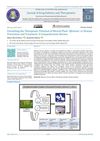
May 2024 in “Journal of Drug Delivery and Therapeutics” This review examines the therapeutic potential of Aftimoon (Cuscuta reflexa), focusing on its pharmacological properties and traditional uses in Unani medicine for various ailments, and highlighting its range of biological activities, including antioxidant and anti-inflammatory effects.
 19 citations
,
June 2006 in “Physiology & Behavior”
19 citations
,
June 2006 in “Physiology & Behavior” Finasteride slows down motherly behavior in first-time pregnant rats.
 6 citations
,
January 2007 in “Actas dermo-sifiliográficas/Actas dermo-sifiliográficas”
6 citations
,
January 2007 in “Actas dermo-sifiliográficas/Actas dermo-sifiliográficas” This study found that topical application of triiodothyronine (T3) can induce the transition of hair follicles from the telogen to the anagen phase in mice and stimulate hair shaft growth in vitro.
 6 citations
,
October 1993 in “Endocrinology”
6 citations
,
October 1993 in “Endocrinology” In this study, researchers found that finasteride inhibits progesterone synthesis by blocking cholesterol side-chain cleavage in mouse-derived MA-10 Leydig cells, but this effect may not be evident in human or rat cells.
 1 citations
,
June 2014 in “Toxicologie analytique et clinique/Annales de toxicologie analytique”
1 citations
,
June 2014 in “Toxicologie analytique et clinique/Annales de toxicologie analytique” This study suggests that chest, arm, leg, and beard hair samples may be viable alternatives to scalp hair for monitoring long-term alcohol intake, although body hair is more typically collected from men.
 October 2024 in “Media Farmasi”
 In this in vitro study, researchers found that a combination of soursop leaf extract and doxorubicin moderately enhanced the anti-cancer effect against MCF-7 breast cancer cells, but they did not report on reducing doxorubicin's side effects.
 March 2024 in “Journal of Applied and Natural Science”
 This study found that administering an alcoholic extract of Mentha spicata leaves significantly reduced testosterone levels and aggressive behavior in female rats with elevated testosterone, suggesting its potential protective role against such symptoms.
 9 citations
,
October 2008 in “Mutation research”
9 citations
,
October 2008 in “Mutation research” This article discusses the genomic and postgenomic changes in chronic degenerative diseases and cardiovascular and skin disease contexts, highlighting potential modulation through diet and pharmacological interventions without presenting new experimental results.
 October 2025 in “Journal of Drug Delivery and Therapeutics”
 In this review, the researchers compared the traditional use of Senna Makki in Unani medicine for various ailments to modern pharmacological evidence, endorsing its role as a laxative but indicating further research is needed for its efficacy in other therapeutic areas.
 January 2024 in “GeroScience”
 This review explores how radiation-induced hair graying can be used as a model to study the mechanisms behind hair graying, focusing on cellular senescence and potential therapeutic targets to address age-related changes. Results are not provided.
 658 citations
,
June 2003 in “Endocrine reviews”
658 citations
,
June 2003 in “Endocrine reviews” This review discusses the role of androgens in the progression of cardiovascular disease and explores novel therapeutic targets without reporting new clinical results.
 277 citations
,
July 2002 in “Molecular Endocrinology”
277 citations
,
July 2002 in “Molecular Endocrinology” In this study, homozygous VDR null mutant mice exhibited nonfunctional vitamin D receptors, leading to growth abnormalities and revealing the limited physiological importance of vitamin D pathways outside the classical receptor.
 190 citations
,
October 2002 in “The FASEB journal”
190 citations
,
October 2002 in “The FASEB journal” In this study, androgen did not affect keratinocyte growth in coculture with androgenetic alopecia-derived dermal papilla cells, but did significantly suppress keratinocyte growth when androgen receptor was overexpressed in the papilla cells.
 120 citations
,
October 2007 in “Clinical Interventions in Aging”
120 citations
,
October 2007 in “Clinical Interventions in Aging” This review discusses the effects of estrogens on skin aging and highlights the potential benefits of estrogen replacement therapy and selective estrogen receptor modulators for improving skin health in postmenopausal women, but reports no new clinical findings.
 115 citations
,
August 2008 in “The Journal of Clinical Endocrinology & Metabolism”
115 citations
,
August 2008 in “The Journal of Clinical Endocrinology & Metabolism” In this study, T3 and T4 were found to directly influence human hair follicles in vitro, enhancing keratinocyte proliferation, prolonging the hair growth phase, and affecting pigmentation.