2 citations
,
September 2024 in “Diagnostics” This study proposes a new mathematical model, the Harmonic Mean equation, for precisely quantifying nuclear pleomorphism in breast cancer grading, showing high performance with accuracy, recall, specificity, precision, and F1-score metrics.
 20 citations
,
July 1988 in “Clinics in dermatology”
20 citations
,
July 1988 in “Clinics in dermatology” This article reviews the current practices and interpretations of research data on permanent waving and hair straightening, but does not present any new research findings.
1 citations
,
October 2023 in “Journal of the Endocrine Society” In this study, researchers found that transgender men exhibited impaired autonomic modulation during sympathetic stimulation compared to cisgender women, potentially due to testosterone treatment affecting cardiac autonomic modulation.
January 2014 in “Food and Drug” This study established an accurate, reliable, and sensitive HPLC method to detect the illegal addition of minoxidil in herbal hair growth products.
 June 2025 in “American Journal of Environmental Science and Engineering”
 This study examined the environment and quality of carrots grown in Vietnam, finding that organically grown carrots had lower levels of harmful heavy metals than traditional methods, suggesting organic farming can yield safer, higher-quality carrots.
 July 2018 in “Journal of The American Academy of Dermatology”
 This article discusses current visualization methods for assessing hair restoration therapy responses, noting imprecision in triangulated measurements and patient dissatisfaction with visible tattoos.
10 citations
,
January 1985 in “PubMed” This study found that electron and proton microprobe analysis can reveal differences in element distribution within human hair and epidermis, although no significant water content differences were noted between atopic eczema and normal skin.
 119 citations
,
October 1992 in “Fundamental & Clinical Pharmacology”
119 citations
,
October 1992 in “Fundamental & Clinical Pharmacology” This review discusses the pharmacological properties and therapeutic potential of K+ channel opening compounds, noting their prospective use in treating cardiovascular and respiratory conditions, but reports no new results.
11 citations
,
November 1991 in “Journal of Neuropathology & Experimental Neurology” This study found that brindled mottled mice, a model of Kinky hair syndrome, exhibited abnormal development of catecholamine neurons, with increased TH-immunoreactive neurons and altered neurochemical profiles compared to controls.
November 2021 in “International Journal of Trichology” This study found that androgenetic alopecia patients had significantly lower serum levels of paraoxonase 1, which correlated with disease severity and suggests a role of oxidative stress in its pathogenesis.
 14 citations
,
October 1977 in “The Lancet” 6 citations
,
February 1989 in “PubMed”
14 citations
,
October 1977 in “The Lancet” 6 citations
,
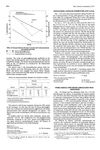
February 1989 in “PubMed” This study suggests that glycation of hair proteins in diabetic patients may serve as a useful indicator of long-term blood glucose trends and associations with diabetic complications.
1 citations
,
October 2020 This study found that hair samples effectively captured average estradiol levels over time in both humans and monkeys, using a validated double-extraction protocol.
March 2026 in “Drug Testing and Analysis” This study observed that the degradation product PTeCA significantly increased in hair treated with oxidative cosmetics, suggesting it could be a reliable marker for detecting such treatments, with a proposed PTCA cut-off value using PTeCA as the gold standard.
 October 2019 in “Turkderm”
 This study examined the demographics of patients diagnosed with pernio and compared their vitamin B12, folate, and ferritin levels with those of a control group.
 19 citations
,
December 2016 in “The journal of pharmacology and experimental therapeutics/The Journal of pharmacology and experimental therapeutics”
19 citations
,
December 2016 in “The journal of pharmacology and experimental therapeutics/The Journal of pharmacology and experimental therapeutics” This study found that multiple ion channel modulators, used here at clinical concentrations, increased intracellular calcium release in prostate and breast cancer cell lines.
 December 2025 in “Scientific Reports”
 In this laboratory study, α-mangostin was found to significantly reduce melanin content and downregulate pigmentation-related genes in cultured skin and B16F10 cells, suggesting potential application as a natural whitening agent in sunscreen development.
February 2023 in “American Journal of Biomedical and Life Sciences” The researchers reported that hair bio element median derivatives bioassay is an effective and reliable method for evaluating the nutritional status of various bio elements, offering a non-invasive approach for nutritional health surveillance and precision medicine.
 5 citations
,
January 2004 in “Biochimie”
5 citations
,
January 2004 in “Biochimie” This review discusses arsenic trioxide therapy in acute promyelocytic leukemia and introduces a novel method using hair analysis to monitor arsenic exposure and correlate it with treatment timing, but reports no new clinical results.
 November 2025 in “Biological Trace Element Research”
 This pilot study found no significant relationship between blood and hair mineral concentrations in generally healthy adults, though hair analysis may have potential for assessing long-term mineral trends.
 4 citations
,
March 2019 in “Journal of Pure and Applied Microbiology”
4 citations
,
March 2019 in “Journal of Pure and Applied Microbiology” This study investigated the anti-inflammatory effects of a 940nm diode laser in Wistar rats with carrageenan-induced arthritis and found that a 74J/cm² energy density significantly reduced edema and restored function, whereas 171J/cm² neared thermal exposure limits for the skin.
16 citations
,
October 2018 in “BMC Complementary and Alternative Medicine” In this animal study, the methanolic extract of Crataeva nurvala leaves was found to possess sedative and anxiolytic properties, potentially linked to GABAergic activity and certain neuroactive compounds.
January 2020 in “Asian Journal of Chemistry” This study demonstrated that FT-Raman spectroscopy is effective for identifying finasteride polymorphs in tablets and detecting the presence of alternative polymorphs down to about 15% concentration.
 September 2021 in “Rumphius Pattimura Biological Journal”
 This study reports varying levels of potassium and iron in honey samples, contributing to the understanding of mineral content in honey.
May 2005 in “Molecular Carcinogenesis” This study found that mrp/plf-mRNA expression in murine skin increases in response to different tumor promoters, suggesting its potential as a short-term biomarker for chemical carcinogenesis.
 1 citations
,
May 2016 in “Dermatologic Surgery”
1 citations
,
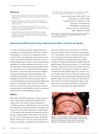
May 2016 in “Dermatologic Surgery” The document concludes that using a phototrichogram with a protractor and tapeline is a reliable and noninvasive way to measure hair loss.
 1 citations
,
June 2003 in “Obstetrical & Gynecological Survey”
1 citations
,
June 2003 in “Obstetrical & Gynecological Survey” This new method makes checking for female infertility less painful, less invasive, and doesn't use radiation.
21 citations
,
November 1969 in “Journal of Investigative Dermatology” In this study, researchers standardized the Koelle and Friedenwald technique as modified by Gomori to reliably demonstrate discrete enzyme localization around eyebrow hair follicles in humans.
 1 citations
,
December 2020 in “Journal of Chemical and Petroleum Engineering”
1 citations
,
December 2020 in “Journal of Chemical and Petroleum Engineering” The researchers in this experimental study developed a thermodynamic model using the Peng-Robinson equation of state to optimize gas antisolvent system conditions for controlling finasteride particle size, aiming to reduce experimental trials and precisely identify precipitation pressures across different temperatures.

This review examines the potential of Parquetina nigrescens for managing Polyendocrine Metabolic Ovarian Syndrome, emphasizing its pharmacological activities and highlighting its promise as an affordable complementary therapy.