91 citations
,
May 1972 in “Journal of Biological Chemistry” This research found that the transfer reaction catalyzed by human plasma and guinea pig hair follicle transglutaminases aligns with a ping-pong mechanism involving peptide-bound glutamine.
49 citations
,
July 2000 in “Journal of Histochemistry & Cytochemistry” This study found cell-specific variations in POMC mRNA and peptide expression in murine skin, suggesting that PC1 and PC2 convertases contribute to differential POMC processing.
35 citations
,
November 1989 in “Journal of steroid biochemistry/Journal of Steroid Biochemistry” This study found that epitestosterone acts as a weak antiandrogen by inhibiting receptor binding and 5α-reductase activity in animal models.
6 citations
,
June 2025 in “Nano Biomedicine and Engineering” This source reports on advances in stimulus-responsive nanoparticle-based PROTACs (nano-PROTACs), which aim to overcome existing challenges like poor cell permeability and systemic off-target effects by enabling controlled protein degradation through endogenous or exogenous stimuli, potentially enhancing therapeutic efficacy and reducing toxicity.
14 citations
,
August 2021 in “Molecular Genetics and Metabolism Reports” This case series highlights the real-world challenges and experiences of US healthcare providers using pegvaliase for phenylketonuria treatment, emphasizing patient education on adverse events and dietary changes, and tailored titration schedules, while reporting that most patients achieved treatment efficacy despite initial adverse events.
59 citations
,
September 2003 in “Journal of steroid biochemistry and molecular biology/The Journal of steroid biochemistry and molecular biology” This study suggests that epitestosterone may play a role in regulating androgen-dependent processes like prostate growth and body hair distribution by counteracting testosterone's actions.
 32 citations
,
November 2016 in “Journal of Dental Research”
32 citations
,
November 2016 in “Journal of Dental Research” This review explores the role of Panx3 in skeletal formation and discusses its potential in developing new therapies for conditions like osteoarthritis, without presenting new clinical findings.
March 2026 in “Bioengineering & Translational Medicine” This study reported that a modified version of Thymosin beta 4, called PEG-rTβ4, demonstrated potential as a treatment for acute myocardial infarction by improving cardiac function and reducing cell death via specific biochemical pathways, suggesting its promise in drug development efforts.
 2 citations
,
May 2021 in “bioRxiv (Cold Spring Harbor Laboratory)”
2 citations
,
May 2021 in “bioRxiv (Cold Spring Harbor Laboratory)” In this study, hydrophilic EG7 PTK-UR foams promoted better wound healing and tissue integration in a porcine model compared to more hydrophobic PTK-UR variants and a polyester-based alternative, while matching a collagen-based standard.
35 citations
,
July 2010 in “The FEBS journal” In this study, researchers identified a highly reactive, isozyme-specific sequence for TGase 3, contributing to understanding its distinct functional role and activity distribution in the mouse epidermis.
46 citations
,
May 2013 in “The journal of investigative dermatology/Journal of investigative dermatology” This review discusses the state-of-the-art knowledge on pseudoxanthoma elasticum, summarizing recent advancements in genetics, pathomechanisms, and potential treatments but reports no new clinical findings.
 137 citations
,
October 2009 in “The American journal of pathology”
137 citations
,
October 2009 in “The American journal of pathology” This study found that matriptase, a membrane serine protease, is crucial for maintaining multiple types of epithelial tissues in mice, with its absence leading to severe organ dysfunction and increased permeability.
13 citations
,
February 1951 in “Journal of animal science/Journal of animal science ... and ASAS reference compendium” This study found that daily supplementation with 10 to 20 mg of calcium pantothenate led to complete recovery and significant improvement in appetite and growth in young pigs with pantothenic acid deficiency.
9 citations
,
October 2025 in “MedComm” This review discusses the development and clinical progression of PROTAC technology for targeted protein degradation, highlighting its potential to address previously "undruggable" targets but reports no new clinical results.
 November 2020 in “The Royal Society of Chemistry eBooks”
 This book discusses the development and applications of peptide-based biomaterials for healthcare, but it reports no new research findings.
June 2025 in “Healthy-Mu Journal” The optimized Cinchonine gel effectively fights acne bacteria and is safe for twice-daily use.
 9 citations
,
August 2005 in “Experimental Dermatology”
9 citations
,
August 2005 in “Experimental Dermatology” In this study, the researchers report that a modified epimorphin-derived peptide shows potential for hair follicle regeneration, especially when used with 1% minoxidil in mice.
 June 2025 in “Turkish Journal of Dermatology”
 This study found that patients with acne vulgaris had significantly lower serum paraoxonase 1 (PON1) activity compared to healthy controls, suggesting that oxidative stress might play a role in the condition's development.
November 2019 in “British Journal of Dermatology” FOL-005 peptide may help treat excessive hair growth safely.
June 2025 in “Food Science & Nutrition” This study found that peimine treatment significantly improved wound healing and tissue regeneration in mice by enhancing wound closure, granulation tissue formation, and epidermal thickness, with effects linked to activation of the Notch1 signaling pathway.
 51 citations
,
January 2024 in “Nanoscale”
51 citations
,
January 2024 in “Nanoscale” This review highlights recent advancements in using nanotechnology to improve the function and delivery of PROTAC drugs, despite existing challenges like low solubility and poor permeability, aiming to enhance their potential in disease treatment.
 8 citations
,
September 2021 in “EMBO Molecular Medicine”
8 citations
,
September 2021 in “EMBO Molecular Medicine” This study found that a 5-mer peptide called P5 promotes hair growth by activating adiponectin receptor 1, suggesting its potential use as a topical treatment for alopecia.
 10 citations
,
July 2022 in “Journal of Medicinal Chemistry”
10 citations
,
July 2022 in “Journal of Medicinal Chemistry” This article discusses the potential for combining PROTACs with other therapeutic modalities in drug discovery and reports no clinical results.
September 2019 in “Journal of Investigative Dermatology” This study observed that PCE-DP may improve skin pigmentation by increasing epidermal turnover and inhibiting melanin uptake and inflammation in human epidermal keratinocytes.
1 citations
,
August 2025 in “Bioengineering” In this study, the combination of full-thickness skin column grafts and the TSN6 peptide improved wound healing quality in pigs by enhancing epidermal maturation compared to other treatments.
 2 citations
,
September 2022 in “Composites Part B: Engineering”
2 citations
,
September 2022 in “Composites Part B: Engineering” This study found that multifunctional peptide-based materials derived from Crassostrea gigas may promote scarless dermal wound healing without affecting intestinal flora through both topical and oral administration.
 5 citations
,
September 2011 in “Bioorganic & Medicinal Chemistry Letters”
5 citations
,
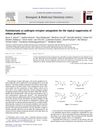
September 2011 in “Bioorganic & Medicinal Chemistry Letters” This study identified pantolactam based compounds as effective topical antagonists of the androgen receptor, reducing sebum components in a hamster model.
 June 2024 in “Journal of medical pharmaceutical and allied sciences”
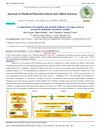
 In this study, researchers observed that Pectin from Nagpuri oranges significantly increased colony counts of probiotic bacteria like L. acidophilus and L. plantarum both in vitro and in vivo, suggesting potential use as a prebiotic or synbiotic in nutraceutical formulations.
This study introduced ElixirSeeker2, a computational framework for designing anti-aging peptides, and found that some newly identified peptides significantly delayed cellular senescence and enhanced cellular and locomotor functions in aged Caenorhabditis elegans.
 114 citations
,
October 2009 in “Gastroenterology”
114 citations
,
October 2009 in “Gastroenterology” This review discusses zinc's role as an essential trace element in human nutrition, particularly its importance in total parenteral nutrition, and reports no new clinical results.