April 2011 in “Cancer Research” In this study, ginsenoside 20(S)-protopanaxadiol-aglycone (PPD) was shown to downregulate androgen receptor expression and inhibit tumor growth in prostate cancer cells.
 3 citations
,
July 2018 in “Elsevier eBooks”
3 citations
,
July 2018 in “Elsevier eBooks” This case report describes an elderly man with erosive pustular dermatosis of the scalp, who improved with potent topical corticosteroids followed by maintenance with topical tacrolimus.
11 citations
,
December 2013 in “Clinical and experimental dermatology” This study reports a case of a child with congenital skin fragility, alopecia, and cardiomyopathy due to compound heterozygous mutations in the DSP gene causing desmoplakin deficiency.
18 citations
,
January 2021 in “Theranostics” This study found that actively targeted AN2728-loaded nanocarriers reduced inflammation and improved skin condition in a mouse model of psoriasiform inflammation compared to free drug and non-targeted nanoparticles.
In this study, Paljeong-san pharmacopuncture reduced dihydrotestosterone levels and inhibited prostate tissue proliferation in a rat model of benign prostatic hyperplasia.
 25 citations
,
October 2015 in “Dermatology”
25 citations
,
October 2015 in “Dermatology” This study observed that dapsone may be effective for treating pustular psoriasis, as four out of five patients showed improvement after previously failing other treatments.
64 citations
,
October 2018 in “Thérapie” This report describes the enhancement of the French SNIIRAM/SNDS healthcare database through external data linkages, highlighting its potential use in medical research despite complexities in the integration process.
 2 citations
,
June 2022 in “Northern Clinics of Istanbul”
2 citations
,
June 2022 in “Northern Clinics of Istanbul” This study found no significant difference in the prevalence of PCOS between women with and without PSD, although some clinical and blood parameters did differ.
 April 2018 in “The Journal of Urology”
 In this study, men with pre-diabetes seeking treatment for erectile dysfunction had worse hormonal and metabolic profiles and a higher risk of severe erectile dysfunction compared to those without pre-diabetes.
March 2016 in “Journal of Pharmacological Sciences” This discussion reviews the shift in pharmaceutical strategy towards evidence-based and structure-guided drug development, highlighting ongoing challenges and efforts in computer-aided drug design without presenting new clinical results.
This study found that PRP injections may safely improve penile curvature and PDQ scores in men with stable-phase Peyronie's Disease, although the curvature reduction observed was not enough to determine long-term clinical significance.
 February 2025 in “Intisari Sains Medis”
 This article explores the potential mechanisms by which polydeoxyribonucleotide (PDRN) could improve skin quality, slow aging, and enhance skin regeneration, but reports no new clinical findings.
 April 2016 in “The Journal of Sexual Medicine”
 This study analyzed 3,295 cases from the FDA Adverse Event Reporting System to describe demographics and reporting trends of post-finasteride syndrome, finding that most reports came from patients rather than health professionals.
3 citations
,
June 2025 in “Gyemyeong uidae haksulji” This review suggests that PDRN shows promise as a safe and versatile regenerative agent for wound healing and other dermatological applications, based on its dual mechanisms and clinical evidence of efficacy.
 May 2025 in “The Journal of Rheumatology”
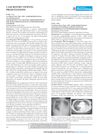
 This case report describes a 47-year-old woman with dilated cardiomyopathy as the first sign of primary antiphospholipid syndrome, highlighting the need for APS screening in similar patient presentations.
 August 2023 in “The journal of investigative dermatology/Journal of investigative dermatology”
 In this study, researchers found that skin diseases like atopic dermatitis, acne, and psoriasis are associated with increased odds of alcohol use disorder, with psychiatric conditions such as anxiety and depression partially mediating this relationship, accounting for up to 80% of the risk.

This study evaluated the effect of intralesional injections of lyophilized Platelet Derived Growth Factors in 42 patients with Peyronie's disease and found significant reductions in penile curvature and plaque size, along with improvements in Peyronie's Disease Questionnaire scores, suggesting a potential treatment role.
 April 2019 in “Journal of Investigative Dermatology”
 This study found that DPP4 is significantly involved in matrix deposition and fibrosis in human skin fibroblasts, although the exact functions of DPP4 remain unclear.
 April 2025 in “Dermatology Practical & Conceptual”
 This study found that erosive pustular dermatosis of the scalp is often misdiagnosed as squamous cell carcinoma, highlighting the importance of biopsy for accurate diagnosis.
 2 citations
,
April 2012 in “Science-business Exchange”
2 citations
,
April 2012 in “Science-business Exchange” Blocking a protein called prostaglandin D2 might help treat hair loss.
 40 citations
,
April 2018 in “Endocrine”
40 citations
,
April 2018 in “Endocrine” This review discusses post-SSRI sexual dysfunction and post-finasteride syndrome, highlighting unknowns about their true incidence and underlying causes, and reports no new clinical results.
69 citations
,
October 2014 in “Stem Cells” This study found that PDGF-D acts as a potent mitogenic factor in adipose-derived stem cells, enhancing their proliferation, migration, and growth factor expression, suggesting its use as a preconditioning agent for ASC transplantation.
 28 citations
,
December 2011 in “Biocatalysis and biotransformation”
28 citations
,
December 2011 in “Biocatalysis and biotransformation” This study found that a peptide treatment using Protein disulphide isomerase improved the mechanical and thermal properties of over-bleached hair by promoting deeper peptide penetration and attachment.
 April 2025 in “Dermatology Practical & Conceptual”
 This study found that erosive pustular dermatosis of the scalp is frequently misdiagnosed as squamous cell carcinoma, highlighting the need for careful differentiation to avoid unnecessary treatments.
July 2024 in “International Journal of Molecular Sciences” This study explored the effects of DPP, a 15-PGDH inhibitor, on human follicle dermal papilla cells damaged by dihydrotestosterone and observed that DPP enhanced wound healing, reduced reactive oxygen species, and increased hair growth in ex vivo human hair follicle cultures.
 March 1998 in “Journal of dermatological science”
 Diphencyprone initially increases mouse hair growth, then slows it, possibly due to changes in specific protein levels.
 October 2023 in “Journal of the European Academy of Dermatology and Venereology”
 In this study, a Delphi survey among 441 European dermatology patients identified psychological impacts as the most significant issues affecting their lives, underscoring the need for psychological support in managing dermatological diseases.
 205 citations
,
March 2012 in “Science Translational Medicine”
205 citations
,
March 2012 in “Science Translational Medicine” PGD2 stops hair growth and is higher in bald men with AGA.
 April 2017 in “Journal of Investigative Dermatology”
 In laboratory tests and mouse models, this study found that the novel IPC analog SIG-1451 may offer potent anti-inflammatory effects for treating allergic skin inflammation, potentially outperforming some current therapies in specific inflammatory phases.
January 2026 in “National Science Review” Sunlight-powered therapy can effectively and painlessly heal diabetic wounds.