 April 2021 in “International journal of reproduction, contraception, obstetrics and gynecology”
 This study found that women newly diagnosed with PCOS may have a higher prevalence and likelihood of periodontitis compared to those receiving medical treatment.
 January 2020 in “Journal of Cutaneous and Aesthetic Surgery”
 The conference improved skills and knowledge in skin and aesthetic surgery.
 January 2009 in “Elsevier eBooks”
 This chapter reviews botanical treatments for polycystic ovary syndrome, discussing potential benefits but presenting no new clinical results; it emphasizes the use of botanicals for managing symptoms like anovulation, insulin resistance, and inflammation.

This paper addresses diagnostic criteria and treatment options for polycystic ovary syndrome, emphasizing lifestyle changes and combination oral contraceptives as primary management strategies, but it reports no new clinical results.
 1 citations
,
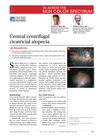
April 2022 in “The Journal of Family Practice”
1 citations
,
April 2022 in “The Journal of Family Practice” This report describes early and late stages of central centrifugal cicatricial alopecia in two Black women, highlighting progression from a small to a large central patch of hair loss.
 1 citations
,
May 2016 in “The Nurse Practitioner”
1 citations
,
May 2016 in “The Nurse Practitioner” This article reviews current guidelines for diagnosing, treating, and providing holistic care for women with polycystic ovary syndrome, without presenting new clinical findings.
 April 2024 in “Skin health and disease”
 In this pilot study, participants with lymphocytic primary cicatricial alopecia who applied 6% topical gabapentin solution twice daily for 12 weeks experienced significant symptom reduction, though there was no noticeable change in nerve fibre density or neuropeptide expression.
 373 citations
,
September 2009 in “Obstetrics & Gynecology”
373 citations
,
September 2009 in “Obstetrics & Gynecology” This review examines the best available evidence for diagnosing and managing PCOS but reports no new clinical results.
 February 2020 in “Research Square (Research Square)”
 This study reported that health-related quality of life was significantly lower in adult Mediterranean women with PCOS and the anovulatory phenotype compared to controls at a tertiary hospital.
 December 2001 in “Fertility and Sterility”
 The book provides a clear overview of PCOD and is recommended for medical trainees and clinicians, but may lack depth for advanced researchers.
35 citations
,
May 2002 in “Journal of the European Academy of Dermatology and Venereology” This review highlights that current diagnostic and treatment methods for chronic pelvic pain syndrome lack robust evidence, suggesting a need for further research.
 25 citations
,
October 1976 in “The BMJ”
25 citations
,
October 1976 in “The BMJ” A woman showed neurological symptoms from psittacosis linked to bird exposure, improving after antibiotic treatment.
 43 citations
,
October 2019 in “Pediatric Research”
43 citations
,
October 2019 in “Pediatric Research” This review discusses the International Evidence-Based PCOS Guidelines, which aim to improve diagnosis and management of PCOS and its associated comorbidities, noting the importance of early intervention and healthy lifestyle changes; it reports no new results.
97 citations
,
December 2017 in “Frontiers in Cell and Developmental Biology” This review discusses the potential of mesenchymal stem cells from human periapical cysts for regenerative medicine, highlighting their easy accessibility and valuable regenerative properties, but reports no new clinical findings.
 3 citations
,
September 2024 in “Journal of Pre-Clinical and Clinical Research”
3 citations
,
September 2024 in “Journal of Pre-Clinical and Clinical Research” This study reviews the current understanding of psychiatric disorders in women with PCOS, finding links to the gut-brain axis, neurotransmitter and neuroendocrine dysfunction, and suggests the need for routine mental health screening in these patients.
13 citations
,
November 2021 in “Frontiers in Molecular Biosciences” This review discusses the mechanisms of platinum-induced peripheral neuropathy related to reactive oxygen species and explores potential antioxidant therapies and nanotechnology approaches, but reports no new clinical results.
 1 citations
,
January 2023 in “Deleted Journal”
1 citations
,
January 2023 in “Deleted Journal” This article discusses the symptoms, pathophysiology, diagnosis, and treatment options for polycystic ovary syndrome, highlighting early diagnosis benefits, but it reports no new findings.
1 citations
,
July 2024 in “Quality in Sport” This review discusses the impact of lifestyle interventions on managing polycystic ovary syndrome and concludes that such modifications can significantly improve clinical outcomes and the health profile of patients, but reports no new results.
August 2025 in “Journal of Association of Clinical Endocrinologist and Diabetologist of Bangladesh” This article reviews the challenges in diagnosing and treating adolescent PCOS and suggests that the SPIOMET therapy could be promising, though further studies are needed.
 2 citations
,
April 2021 in “Reproductive health of woman”
2 citations
,
April 2021 in “Reproductive health of woman” This study found that among women with PCOS, the most common clinical symptoms were menstrual dysfunction, infertility, acne, and hirsutism, with the non-androgenic phenotype being the most frequently identified.
January 2003 in “Seminars in Reproductive Medicine” This review discusses updated recommendations and recent studies on PCOS management but reports no new clinical results, questioning whether the 2018 global guideline will change practice.
 308 citations
,
December 2018 in “PLOS Genetics”
308 citations
,
December 2018 in “PLOS Genetics” This study identified three novel genetic loci associated with PCOS and found similar genetic architecture across different diagnostic criteria, with evidence suggesting genetic links between PCOS and various metabolic and psychological traits.

This review discusses the complexities of managing polycystic ovarian syndrome in females, examining its various phenotypes and treatment options, but it does not present new clinical findings.

This article discusses the challenges in diagnosing and treating polycystic ovary syndrome in adolescents, emphasizing the importance of lifestyle changes and a systematic therapeutic approach but reports no new clinical findings.
 December 2022 in “BioScientific review”
 This review discusses the complex pathophysiology, diagnosis, and management of Polycystic Ovary Syndrome and reports no new results, underscoring the need for comprehensive treatment plans.
1 citations
,
October 2024 in “BMC Infectious Diseases” This study found that post-COVID-19 syndrome incidence varied significantly by gender and identified ALP levels as a potential biomarker for its detection, challenging current diagnostic criteria.
December 2021 in “Morphologia” This article reviews the characteristics and therapeutic potential of neural crest cells from various sources, including embryonic and mature stem cells, but reports no new experimental results.
 1 citations
,
April 2018 in “Journal of Investigative Dermatology”
1 citations
,
April 2018 in “Journal of Investigative Dermatology” This study found that Polycomb repressive complex 1 is crucial for skin development and stem cell specification, influencing gene activity beyond its known repressor functions.
 1 citations
,
June 2012 in “Springer eBooks”
1 citations
,
June 2012 in “Springer eBooks” This article discusses the potential of acupuncture as a complementary or alternative therapy for PCOS, highlighting experimental evidence of its positive effects on reproductive and metabolic function, but reports no new clinical results.
 2 citations
,
February 2021 in “International Journal of Environmental Research and Public Health”
2 citations
,
February 2021 in “International Journal of Environmental Research and Public Health” This study found that patients with polycystic ovary syndrome reported lower dispositional optimism than controls, which may have implications for illness prognosis.