2 citations
,
April 2023 in “American Journal of Dermatopathology” This study suggests that central centrifugal cicatricial alopecia may involve a CD4-predominant T-cell process with potential PD1/PDL1 pathway involvement, indicated by increased caspase 3 expression and loss of PDL1.
5 citations
,
September 2019 in “Journal of Biomedical Optics” This study determined in-vivo skin damage thresholds for 1319-nm laser exposure in pigs, and the findings may enhance understanding of thermal damage mechanisms and inform laser safety standards.
This study presents the G4 transgenic mouse model, which suggests a direct link between polycystic ovary syndrome and the Gm10800 gene, offering a valuable tool for understanding the disease and testing treatments.
 2 citations
,
August 2022 in “BMC veterinary research”
2 citations
,
August 2022 in “BMC veterinary research” This study confirmed the biological characteristics and multipotent differentiation potential of primary and secondary hair follicle stem cells from Arbas Cashmere goats, contributing to the understanding of adult stem cell types and characteristics.
 August 2024 in “Dermatology and Therapy”
 This report describes a case where a 44-year-old male treated with vorasidenib for diffuse low-grade gliomas developed unexpected hair growth, including in areas of severe hair loss, after one month, highlighting a previously undocumented side effect.
 November 2023 in “The journal of investigative dermatology/Journal of investigative dermatology”
 This study suggests that hemoglobin α expression in the epidermis is induced by oxidative stress and may function as an antioxidant, contributing to skin barrier function.
 16 citations
,
September 2018 in “Journal of Molecular Liquids”
16 citations
,
September 2018 in “Journal of Molecular Liquids” This study investigated a nanostructured system using PS-b-PAA diblock copolymer for incorporating the hydrophobic photosensitizer ClAlPc, finding it effective in causing cellular damage in Caco-2 cells under light while demonstrating no cytotoxicity without light, suggesting its potential use in photodynamic therapy.
 23 citations
,
December 2013 in “British Journal of Dermatology”
23 citations
,
December 2013 in “British Journal of Dermatology” This study identified a new PNPLA1 mutation in a Spanish family with autosomal recessive congenital ichthyosis.
May 2024 in “International journal of medicine and psychology.” This study found that elderly patients with acute coronary syndrome had higher PRU rates, and ticagrelor showed greater antiplatelet efficacy compared to clopidogrel in this population.
1 citations
,
August 2024 in “Journal of Pharmacy & Pharmaceutical Sciences” This study found that forming inclusion complexes of DPCP with HPβCD using the 3D ground mixture method enhances its anti-inflammatory activity at lower doses compared to complexes with β-CD.
 3 citations
,
June 2022 in “European journal of human genetics”
3 citations
,
June 2022 in “European journal of human genetics” This study reports the first cases of recessive KRT17-related pachyonychia congenita involving all ectodermal derivatives in seven members of two consanguineous Pakistani families.
 11 citations
,
August 2017 in “Journal of Chromatographic Science”
11 citations
,
August 2017 in “Journal of Chromatographic Science” This study established a rapid and accurate ultra-performance liquid chromatographic method for chemical fingerprinting and analyzing Platycladi cacumen, effectively distinguishing batches based on geographical and climatic conditions.
 1 citations
,
November 2023 in “Rice”
1 citations
,
November 2023 in “Rice” This study found that PRX102, a peroxidase with a unique polar localization pattern, plays a role in root hair growth by aiding the transport of materials to the tips of growing root hairs.
 2 citations
,
September 2022
2 citations
,
September 2022 In this study, researchers found that a PER3 gene SNP may be pathogenic for a new subtype of dyschromatosis universalis hereditaria, especially when combined with a SASH1 mutation.
 April 2018 in “The journal of investigative dermatology/Journal of investigative dermatology”
 This phase 2a trial evaluated Samcyprone for common wart treatment and found that while a sensitization reaction is necessary for therapeutic response, its level does not predict wart clearance.
33 citations
,
May 2017 in “Journal of Clinical Oncology” This phase I study reported that ETC-159, targeting Wnt signalling, showed tolerable safety profiles at doses that inhibit its pathway, though bone turnover markers increased, warranting early and regular monitoring. No tumor responses were observed, but two patients achieved stable disease for several cycles.
 13 citations
,
August 2007 in “Bioorganic & medicinal chemistry letters”
13 citations
,
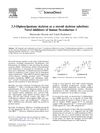
August 2007 in “Bioorganic & medicinal chemistry letters” This study developed a new competitive 5alpha-reductase inhibitor with an IC(50) of 0.84 microM using a novel chemical structure.
 37 citations
,
February 2009 in “Bioorganic & Medicinal Chemistry”
37 citations
,
February 2009 in “Bioorganic & Medicinal Chemistry” This study suggests that true binary and ternary inclusion complexes were formed between finasteride and 2-hydroxypropyl-ß-cyclodextrin, with or without the addition of specific polymers.
11 citations
,
September 2024 in “Journal of Advanced Research” This study found that PC 3DP models are reliable preclinical tools that could potentially customize treatment strategies and predict patient prognoses by correlating drug sensitivity profiles with clinical outcomes, though larger patient cohort validation is needed to confirm clinical utility.
 2 citations
,
August 2023 in “Human Reproduction”
2 citations
,
August 2023 in “Human Reproduction” This update of the 2023 International Guideline for PCOS offers refined diagnostic criteria and management recommendations, emphasizing evidence-based care, but notes that research quality remains low to moderate.
14 citations
,
March 2022 in “Plant Cell & Environment” In this study, the authors reported that AtRXR3, a phosphorus-inducible DUF506 protein, modulates root hair growth under phosphorus stress by interacting with calmodulin and influencing calcium oscillations.
 March 1998 in “Journal of dermatological science”
 Diphencyprone initially increases mouse hair growth, then slows it, possibly due to changes in specific protein levels.
 42 citations
,
February 1998 in “The Journal of Steroid Biochemistry and Molecular Biology”
42 citations
,
February 1998 in “The Journal of Steroid Biochemistry and Molecular Biology” This study found that PNU 157706 is a highly potent inhibitor of human 5α-reductase enzymes, showing a stronger and longer-lasting antiprostatic effect in rats compared to finasteride.
November 2025 in “Journal of Investigative Dermatology” This study identified nine pathogenic variants in the PADI3 gene and variants in the S100A3 and TCHH genes in patients with central centrifugal cicatricial alopecia, suggesting a broader genetic basis for the disease and potential targets for genetic testing and therapies.
 November 2025 in “PubMed”
 This study identified nine pathogenic variants in the PADI3 gene, and variants in the S100A3 and TCHH genes, which may disrupt protein function and contribute to central centrifugal cicatricial alopecia.
November 2025 in “Journal of Investigative Dermatology” PCFCL may have unrecognized subtypes and needs more research.
 January 1999 in “American Journal of Medical Genetics Part A”
 This case report describes a rare occurrence of ectodermal dysplasia features in a 14-year-old with MBTPS1 gene variants, expanding the known spectrum of related disorders.
477 citations
,
March 2004 in “Proceedings of the National Academy of Sciences” This study reports that the DMI3 gene, essential for nodule formation in legume-rhizobial symbiosis, encodes a calcium/calmodulin-dependent protein kinase, highlighting its role in multiple plant symbioses.
April 2020 in “Journal of the Endocrine Society” This case report describes a 34-year-old woman with pituitary stalk interruption syndrome, highlighting the need for long-term follow-up due to potential progression from isolated hormonal deficiencies to pan-hypopituitarism.
38 citations
,
January 2017 in “PPAR Research” This review discusses the role of PPAR-γ in the pathogenesis of primary cicatricial alopecia, including its involvement in lichen planopilaris and treatment trials using PPAR-agonists, and reports no new clinical results.