 24 citations
,
February 2022 in “Reviews in Endocrine and Metabolic Disorders”
24 citations
,
February 2022 in “Reviews in Endocrine and Metabolic Disorders” This review reports that women with polycystic ovary syndrome are at 28%–50% higher risk of SARS-CoV-2 infection, with increased rates of COVID-19-related hospitalization, morbidity, and mortality.
 24 citations
,
November 2016 in “Molecular Medicine Reports”
24 citations
,
November 2016 in “Molecular Medicine Reports” This study found that women with acne resistant to conventional treatments had significantly higher levels of testosterone, DHEA‑S, prolactin, and LH, suggesting potential underlying hormonal disorders.
 21 citations
,
February 2016 in “Reproductive Biomedicine Online”
21 citations
,
February 2016 in “Reproductive Biomedicine Online” This review examines how genetic variants associated with polycystic ovary syndrome affect reproductive success differently in men and women, supporting the theory that intralocus sexual conflict may explain its persistence.
 16 citations
,
February 2018 in “BMC Genomics”
16 citations
,
February 2018 in “BMC Genomics” This paper reviews genome-based personalized medicine developments using Web services for analyzing SNPs in reproductive potential but reports no new clinical findings.
 16 citations
,
December 2017 in “Journal of Pediatric and Adolescent Gynecology”
16 citations
,
December 2017 in “Journal of Pediatric and Adolescent Gynecology” In this study, the researchers found that the choice of diagnostic criteria significantly affects the rate of PCOS diagnosis in adolescents.
 16 citations
,
August 2014 in “International Journal of Women's Health”
16 citations
,
August 2014 in “International Journal of Women's Health” The estradiol valerate/dienogest oral contraceptive helps with heavy periods, may improve acne and symptoms in PCOS, and doesn't affect sexual function.
 16 citations
,
April 2007 in “Journal of Obstetrics and Gynaecology Research”
16 citations
,
April 2007 in “Journal of Obstetrics and Gynaecology Research” In this study, serum PSA levels were higher in women with PCOS, suggesting it may serve as a marker for hyperandrogenism in this condition.
 12 citations
,
January 2019 in “Journal of Endocrinology”
12 citations
,
January 2019 in “Journal of Endocrinology” In this study, baicalin from Scutellaria baicalensis decreased androgen levels in both cells and PCOS model rats by inhibiting key gene expression, suggesting it may be a potential treatment for hyperandrogenism in PCOS.
10 citations
,
March 2024 in “Endocrine Reviews” In this retrospective review, the author discusses key discoveries in understanding androgen excess disorders like PCOS, focusing on genetic and molecular insights gained from 1965 to 2015.
 10 citations
,
November 2018 in “Physiological Research”
10 citations
,
November 2018 in “Physiological Research” This review examines the methods and challenges in androgen laboratory diagnostics, discussing their advantages, limitations, and evolution; it presents no new experimental results.
 10 citations
,
February 2007 in “Current Opinion in Endocrinology, Diabetes and Obesity”
10 citations
,
February 2007 in “Current Opinion in Endocrinology, Diabetes and Obesity” This review discusses the early developmental origin of premature adrenarche and polycystic ovary syndrome and highlights potential utero-based mechanisms, reporting no new clinical findings.
 9 citations
,
January 2015 in “Springer eBooks”
9 citations
,
January 2015 in “Springer eBooks” This article reviews the diagnostic criteria and management strategies for polycystic ovary syndrome but reports no new clinical findings; it highlights associated health risks and recommended treatments.
 9 citations
,
July 2009 in “Journal Of Endocrinology, Metabolism And Diabetes Of South Africa”
9 citations
,
July 2009 in “Journal Of Endocrinology, Metabolism And Diabetes Of South Africa” The document concludes that managing PCOS involves treating symptoms and reducing long-term metabolic risks, with lifestyle changes being important.
 8 citations
,
June 2016 in “Journal of Cosmetic Dermatology”
8 citations
,
June 2016 in “Journal of Cosmetic Dermatology” The study concluded that serum AMH is a useful tool for diagnosing polycystic ovarian morphology in women with persistent acne, potentially replacing transvaginal ultrasound, though it does not correlate with hyperandrogenemia.
 7 citations
,
January 2024 in “Medicinska istrazivanja”
7 citations
,
January 2024 in “Medicinska istrazivanja” This review outlines the complexities and varied manifestations of polycystic ovary syndrome, highlighting challenges in diagnosis and management but reports no new clinical findings.
 6 citations
,
July 2016 in “Gynecological Endocrinology”
6 citations
,
July 2016 in “Gynecological Endocrinology” This study found that women with PCOS have higher total PSA levels than controls, and the total PSA level correlates positively with testosterone and free androgen index.
5 citations
,
August 2022 in “International Journal of Women s Health” Women with hyperandrogenism, especially those with PCOS, are more likely to have psychiatric disorders.
 5 citations
,
October 2013 in “Endocrine”
5 citations
,
October 2013 in “Endocrine” This case report describes three instances where occult ovarian Leydig cell tumors were suspected based on severe hyperandrogenism symptoms, despite negative imaging findings, highlighting that elevated testosterone levels are a crucial diagnostic marker.
 4 citations
,
October 2024 in “Cureus”
4 citations
,
October 2024 in “Cureus” This review discusses the association between polycystic ovarian syndrome and hypertension, highlighting evidence of metabolic factors influencing this potential link and stressing the need for further research in this area.
 4 citations
,
March 2013 in “Neuropsychiatric Disease and Treatment”
4 citations
,
March 2013 in “Neuropsychiatric Disease and Treatment” This case report describes a rare instance of a patient with anorexia nervosa who was subsequently diagnosed with Cushing's syndrome, highlighting diagnostic challenges due to overlapping symptoms.
 2 citations
,
January 2017 in “Cambridge University Press eBooks”
2 citations
,
January 2017 in “Cambridge University Press eBooks” Manage PCOS in primary care with weight loss, psychological support, medication, and monitoring for health risks.
 2 citations
,
June 2009 in “The Nurse practitioner”
2 citations
,
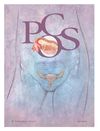
June 2009 in “The Nurse practitioner” This article highlights that many women with PCOS are unaware of their condition and its increased risks for type 2 diabetes and cardiovascular disease, and it offers no new clinical findings.
 2 citations
,
September 2004 in “Fertility and sterility”
2 citations
,
September 2004 in “Fertility and sterility” This review discusses the cosmetic and health implications of hirsutism and highlights its potential link to serious underlying disorders, but it presents no new clinical findings.
 1 citations
,
June 2019 in “Innovare journal of medical sciences”
1 citations
,
June 2019 in “Innovare journal of medical sciences” This review examines the use of natural remedies, including various herbs, for treating polycystic ovary syndrome, but reports no new clinical results.
 1 citations
,
February 2018 in “InTech eBooks”
1 citations
,
February 2018 in “InTech eBooks” This paper discusses the need for comprehensive evaluation and management of lean polycystic ovary syndrome patients due to their unique risks, but reports no new results.
 1 citations
,
January 2018 in “Journal of Gynecologic Surgery”
1 citations
,
January 2018 in “Journal of Gynecologic Surgery” This article reports two cases where ovarian hyperthecosis caused hyperandrogenism in postmenopausal women, confirmed by imaging and resolved after bilateral oophorectomy.
 1 citations
,
May 2016 in “The Nurse Practitioner”
1 citations
,
May 2016 in “The Nurse Practitioner” This article reviews current guidelines for diagnosing, treating, and providing holistic care for women with polycystic ovary syndrome, without presenting new clinical findings.
 April 2026 in “JOJ Dermatology & Cosmetics”
 This review highlights that effective management of PCOS-related dermatological issues, such as hirsutism and acne, requires a multidisciplinary approach involving hormonal therapies, metabolic interventions, and lifestyle changes.
March 2026 in “JCEM Case Reports” In this case report, a 71-year-old woman with severe hyperandrogenism and virilization revealed a bilateral ovarian steroid cell tumor, confirmed after adnexectomy, resulting in normalized testosterone levels and improved hirsutism post-surgery.
 November 2025 in “Frontiers in Endocrinology”
 This review examines the potential of apigenin and ellagic acid as adjunct or alternative treatments for PCOS, but reports no new clinical results and highlights the need for further trials to confirm their efficacy and optimize dosing and delivery.