 January 2025 in “Iraqi Journal of Science”
 This study found that variations in the genes PDCD4, miR-21, and miR-449b may significantly influence breast cancer progression, with higher PDCD4 serum levels linked to increased breastfeeding.
2 citations
,
May 2023 in “Biology” This study developed and characterized new mouse models of Pemphigus that mimic different forms of the disease, but treatment with Methyl-Prednisolone showed only partial effectiveness.
 1 citations
,
December 2019 in “Archives of the Balkan Medical Union”
1 citations
,
December 2019 in “Archives of the Balkan Medical Union” In this study, injecting platelet-rich plasma into the muscular layer of the intestinal wall in rabbits significantly reduced adhesion development compared to soaking methods, suggesting an improvement in anastomosis regeneration.
 April 2019 in “Journal of Investigative Dermatology”
 This study observed that people with autoimmune blistering skin disorders report higher food intolerance rates, particularly avoiding alcohol, citrus, and spicy foods, and suggests potential dietary influences on symptom management.
 5 citations
,
September 2013 in “The Journal of Dermatology”
5 citations
,
September 2013 in “The Journal of Dermatology” Researchers found a new mutation in the HR gene causing hair loss and skin bumps in a Pakistani family.
 6 citations
,
February 2023 in “Journal of nanobiotechnology”
6 citations
,
February 2023 in “Journal of nanobiotechnology” In this study, HA-P5, a nanoparticle derived from peptide and polysaccharide conjugation, effectively reduced acne lesions and sebum production by inhibiting specific receptors in cells, without triggering unfavorable reactions compared to a commercial inhibitor, highlighting HA-P5's potential as a novel acne treatment.
September 2024 in “Dokumentenrepositorium der RUB (Ruhr University Bochum)” This study found that patients with higher baseline monocyte counts (\(\geq\) 925/\(\mu\)l) were significantly more likely to see treatment failure with adalimumab for hidradenitis suppurativa.
September 2023 in “Journal of the American Academy of Dermatology” January 2025 in “Mansoura Medical Journal” This research observed that some hypothyroid patients on adequate levothyroxine therapy continue to experience symptoms like poor concentration and hair loss, with findings suggesting an elevated anti-TPO level increases the likelihood of such symptoms, despite normal TSH levels.
 February 2006 in “Journal of The American Academy of Dermatology”
 This study found that Malassezia globosa, a scalp-associated fungus linked to dandruff, grows with saturated but not unsaturated fatty acids, potentially causing unsaturated fatty acid accumulation on the scalp and triggering dandruff-like flaking in susceptible individuals.
This chapter reviews fungal skin diseases in pigs, including urticarial and autoimmune conditions, but does not report new clinical findings.
17 citations
,
January 2015 in “Dermatology online journal” This report describes a patient experiencing hair repigmentation linked to adalimumab therapy, a TNF inhibitor, a phenomenon not previously associated with this class of drugs.
 2 citations
,
December 2016 in “Experimental cell research”
2 citations
,
December 2016 in “Experimental cell research” This study reveals that CSPG4-positive basal cell keratinocytes show distinct global gene expression from CSPG4-negative cells, despite similar colony-forming efficiency.
8 citations
,
January 2011 in “International journal of trichology” This report discusses the accurate diagnosis of atrichia with papular lesions, emphasizing its distinction from alopecia universalis to prevent unnecessary steroid treatment, and presents a case matching APL diagnostic criteria.
 1 citations
,
June 2022 in “Curēus”
1 citations
,
June 2022 in “Curēus” This case study highlights the unique occurrence of Papillon-Lefévre syndrome in two siblings from a consanguineous family, emphasizing the potential role of genetic factors in the disease's development.
26 citations
,
September 2009 in “Clinical genetics” This study identified four novel and one recurrent mutation in the AIRE gene among Arab families with APS1, suggesting these contribute to the disorder.
3 citations
,
October 2024 in “Frontiers in Pharmacology” This laboratory study found that PI extract, along with its metabolites Ang and Mac, inhibited cell proliferation and protein expression linked to pathways involved in BPH, suggesting potential for therapeutic use, although the Ang-Mac combination showed no significant effect on apoptosis through the p53 pathway.
 12 citations
,
June 2010 in “Journal of dermatology”
12 citations
,
June 2010 in “Journal of dermatology” This study found that hyperpigmentation following contact immunotherapy for severe alopecia areata may indicate poor treatment responsiveness and aligns with characteristics of pigmented contact dermatitis.
4 citations
,
January 2023 in “bioRxiv (Cold Spring Harbor Laboratory)” This study identified the genes for pyochelin siderophore biosynthesis as a novel target regulated by the heme-responsive PrrH sRNA in Pseudomonas aeruginosa.
 August 2024 in “Frontiers in Pharmacology”
 This review discusses the potential of therapeutic antibodies as an alternative treatment for androgenetic alopecia, highlighting the initial development stages and the need for further validation and optimization of targets like the prolactin receptor and Interleukin-6 receptor.
3 citations
,
October 2024 in “International Journal of Molecular Sciences” This study found that non-activated platelet-rich plasma from acetylsalicylic acid-treated patients increased inflammatory cytokines, affecting platelet activation and possibly influencing outcomes in PRP therapies.

This case report describes perifollicular melanocyte regeneration in the affected skin of a patient with bullous pemphigoid, highlighting an underreported aspect of the condition in skin of color patients, and emphasizing the need for increased awareness and earlier diagnosis in this demographic.
 182 citations
,
November 2017 in “Molecular Aspects of Medicine”
182 citations
,
November 2017 in “Molecular Aspects of Medicine” This review discusses various therapeutic strategies targeting platelet-derived growth factor signaling in diseases like cancer and atherosclerosis, and evaluates existing treatments without presenting new clinical data.
 120 citations
,
August 2008 in “The journal of investigative dermatology/Journal of investigative dermatology”
120 citations
,
August 2008 in “The journal of investigative dermatology/Journal of investigative dermatology” This study found that C8/144B antibody exclusively binds to the hair follicle bulge and not the epidermal stratum basale, with cytokeratin 19 serving as a key marker of certain basal keratinocytes that decrease with age.
 June 2021 in “Working paper of public health”
 This study reports that autoantibodies persisted in most COVID-19 patients hospitalized six months earlier, with some patients developing new autoantibody positivity, indicating potential progression to autoimmune conditions.
 10 citations
,
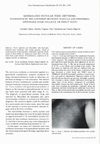
May 1978 in “Acta Dermato Venereologica”
10 citations
,
May 1978 in “Acta Dermato Venereologica” In this study, seven patients with generalized toxic erythema developed sterile pustules localized to hair follicles or sweat ducts, with most having a history of medication, solvent exposure, or infection.
Results are not reported in this abstract, which notes that while Janus kinase inhibitors like baricitinib show therapeutic benefits for alopecia areata, the mechanisms and reliable predictors of response remain unclear.
September 2023 in “Journal of the American Academy of Dermatology” In this study of pediatric melanocytic lesions, researchers at Massachusetts General Hospital observed no concurrent BAP1 loss and BRAFV600E positivity, characteristics of adult BIMT, suggesting that these tumors may develop at a later age rather than in childhood.
 January 2018 in “Springer eBooks”
 PDE inhibitors, especially PDE4 inhibitors like apremilast, are effective for certain inflammatory skin conditions but have side effects and can be costly.
April 2012 in “The FASEB Journal” In this study, researchers observed that knocking down the LPA 4 receptor in zebrafish embryos led to vascular and lymph vessel development abnormalities, including edema and decreased heartbeats.