 1 citations
,
January 2025 in “RSC Advances”
1 citations
,
January 2025 in “RSC Advances” The researchers evaluated scientific data on the usage and pharmaceutical applications of ascorbic acid derivatives, such as ascorbyl-6-palmitate and ascorbyl-2-glucoside, highlighting their development into stable delivery platforms to overcome ascorbic acid's instability and formulation challenges.
 January 2026 in “Journal of Emerging Technologies and Innovative Research”
 This study reported that zinc oxide nanoparticles synthesized using Tridax procumbens leaf extract demonstrated significant antibacterial and anticancer activity, showing potential for applications in biomedical and pharmaceutical fields.
 November 2023 in “Global journal of medical research”
 This study highlights the importance of understanding the rheological properties of hyaluronic acid fillers, including viscosity, cross-linking, and concentration, to optimize their use in addressing facial aging by maximizing clinical effects.
 22 citations
,
April 2006 in “Journal of The American Academy of Dermatology”
22 citations
,
April 2006 in “Journal of The American Academy of Dermatology” This review discusses the diagnosis and treatment of iron deficiency, its potential link to hair loss, and emphasizes the importance for dermatologists to understand these aspects; it reports no new findings.
 May 2024 in “Pakistan Journal of Health Sciences”
 This study found that people with chronic telogen effluvium had lower hair and serum iron levels and higher serum copper levels compared to healthy controls.
 April 2019 in “National Journal of Research in Ayurved Science”
 This source reports that triphala, an Ayurvedic herbal preparation made from three fruits, is widely used as a safe and effective laxative and colon cleanser, with potential anti-cancer properties and additional health benefits like improving digestion and detoxifying the body.
 14 citations
,
January 2020 in “Biomaterials Science”
14 citations
,
January 2020 in “Biomaterials Science” Created microspheres show potential for safe and effective use in prostate artery embolization.
 1 citations
,
March 2023 in “International Journal of Health and Pharmaceutical Medicine”
1 citations
,
March 2023 in “International Journal of Health and Pharmaceutical Medicine” This review summarizes the link between acne pathogenesis and skin barrier dysfunction, noting that more severe acne correlates with greater skin barrier damage, but reports no new clinical results.
 September 2025 in “BULLETIN OF STOMATOLOGY AND MAXILLOFACIAL SURGERY”
 In this review, researchers explored the complex mechanisms behind chemotherapy-induced side effects like nausea, fatigue, and hair loss, and discussed potential strategies using natural agents to manage these toxicities, improving understanding for targeted adjunct therapies.
 December 2023 in “Journal of ayurveda and integrated medical sciences”
 In this case study, a 17-year-old male with patchy hair loss (Indralupta) experienced significant symptom relief after treatment with Pracchanna Karma and Maricha Lepa, suggesting the therapy was effective and economical within a short duration.
 May 2022 in “International Journal for Research in Applied Science and Engineering Technology”
 In this study, researchers explored the causes and treatment strategies for diffuse telogen effluvium, focusing on 60 patients with the condition linked to iron deficiency anemia, comparing the effectiveness of ferrous salts alone versus combined with Quilib lotion.
 January 2021 in “Medical Research Archives”
 This study observed that 25-hydroxyvitamin D3 restored rickets symptoms in genetically modified rats, suggesting its direct action through vitamin D receptor pathways.
 January 2019 in “ARC journal of pharmaceutical sciences”
 This review traces the historical understanding and treatment of acne across ancient Egyptian, Greek, and Roman civilizations, but provides no new clinical findings.
 August 2025 in “International Journal for Research in Applied Science and Engineering Technology”
 In this study, rice water was reviewed as a cosmetic ingredient, highlighting its safety, stability, and possible benefits such as anti-inflammatory and anti-aging effects, as well as improvements in hair growth and skin hydration.
 January 2025 in “Medical Research Archives”
 This review discusses the crucial role of sex hormones in maintaining and influencing skin health, suggesting ongoing research into hormonal treatments for skin conditions due to life stage changes.
 January 2024 in “Academic Journal of Medicine & Health Sciences”
 This study highlights a novel herbal tea blend that may improve hair health and provide anti-aging benefits, though its efficacy requires further scientific validation.
 October 2025 in “International Journal For Multidisciplinary Research”
 This study describes a case where a patient with Vitamin B12 deficiency symptoms achieved increased serum B12 levels and symptom relief through treatment with Amyron syrup and Amlycure DS capsules, rather than traditional B12 supplements.
 1 citations
,
May 2025 in “International Journal of Applied Pharmaceutics”
1 citations
,
May 2025 in “International Journal of Applied Pharmaceutics” This study formulated a nanogel with Bangkal bark extract that showed moderate antibacterial activity against Propionibacterium acnes, with the F3 formulation (8% extract) achieving the highest inhibition zone of 8 mm, suggesting potential as a natural acne treatment.
 January 2026 in “Biomaterials Science”
 This research outlines the characteristics and potential applications of a GMP-compliant sodium polyphosphate formulation (Na-polyP-GMP) in cellular energy storage and ATP-dependent processes like skin regeneration and wound healing.
 January 2026 in “International journal of Indian medicine”
 This review discusses the use of Bibhitaki Taila Nasya and Shiroabhyanga in Ayurvedic treatment for hair fall, reporting no new clinical results.
This review highlights new treatment options for alopecia, including JAK inhibitors and Wnt pathway-targeting therapies, which may offer better efficacy and safety than traditional treatments like minoxidil and finasteride, but notes the need for more research on long-term effects and patient-specific responses.
 January 2015 in “Journal of Nutrition and Health”
 This study found that fish oil supplementation in male Wistar albino rats helped maintain hair shaft structure and improved amino acid composition, while reducing harmful protein compounds associated with diabetes and hypercholesterolemia.
 4 citations
,
March 2006 in “Journal of renal nutrition”
4 citations
,
March 2006 in “Journal of renal nutrition” This study found that hemodialysis patients taking water-soluble vitamins had a 16% lower mortality risk compared to those not taking any, but the specific supplementation needed remains unclear.
 1 citations
,
March 2024 in “International Journal of Applied Pharmaceutics”
1 citations
,
March 2024 in “International Journal of Applied Pharmaceutics” This study found that varying the concentration of propylene glycol in rice water shampoo gel affects physical properties such as viscosity and foam height, without impacting organoleptic qualities or pH stability.
 January 2025 in “Medical Research Archives”
 In this review, researchers reported that anorexia nervosa leads to widespread medical complications across all body systems, particularly at low body weights, and these complications are primarily treated through nutritional rehabilitation with a multidisciplinary team approach.
 March 2022 in “International journal of biology, pharmacy and allied sciences”
 This case study describes the successful management of alopecia areata in an 18-year-old female patient using Shaman Aushadhi.
 76 citations
,
January 2019 in “Nanoscale”
76 citations
,
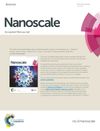
January 2019 in “Nanoscale” Created material boosts hair growth and kills bacteria for wound healing.
 82 citations
,
August 2017 in “Cell Reports”
82 citations
,
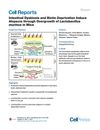
August 2017 in “Cell Reports” This study found that antibiotic-induced gut dysbiosis, particularly overgrowth of Lactobacillus murinus, can lead to hair loss in mice by depleting biotin.
 14 citations
,
January 2024 in “Theranostics”
14 citations
,
January 2024 in “Theranostics” In this study involving a mouse model, researchers reported that intranasal delivery of protein-based CRISPR/dCas9 nanoparticles targeting the gene *Sirt1* reduced cerebral edema and increased survival following ischemic stroke, with no significant toxicity observed.
 5 citations
,
August 2018
5 citations
,
August 2018 This paper highlights the growing scientific interest in plant extracts for cosmetics due to their potential benefits, including antioxidant, antimicrobial, and protective properties, while emphasizing the need for quality and safety assessment to mitigate possible adverse reactions.