 September 2025 in “Digital Commons - RU (Rockefeller University)”
 This study found that when NFIB was removed in adult mouse hair follicle stem cells, it did not affect their maintenance but unexpectedly led to increased proliferation and differentiation of nearby melanocyte stem cells.
July 2025 in “Journal of Investigative Dermatology” Wnt signaling helps regenerate hair follicles in wounds by reducing skin cell sensitivity to mechanical stress.
March 2025 in “Molecules” This study found that Kyoh®, a flavonol-rich extract from rocket leaves, may promote hair growth by enhancing the expression of hair growth-related genes in laboratory conditions.
 February 2025 in “Science Advances”
 This study demonstrates that Wnt signaling plays a crucial mechanoregulatory role in skin regeneration by influencing cellular responses to substrate rigidity, which promotes hair follicle regeneration in the wound-induced hair neogenesis model.
 February 2025 in “Journal of Forensic Sciences”
 The study found that sonication washing of hair roots with fewer than 50 visible nuclei could reduce the number of nuclei available for DNA extraction and STR typing, suggesting that for laboratories focused on nuDNA analysis, a gentler washing method might be adequate.
 December 2024 in “Cell Communication and Signaling”
 This study found that subcutaneous adipose tissue-derived extracellular vesicles (AT-EVs) protect skin from photodamage by enhancing fibroblast proliferation and reducing oxidative stress compared to those from adipose-derived stem cells.
July 2024 in “Journal of Investigative Dermatology” Taxane chemotherapy can cause permanent hair loss by damaging hair follicles and altering their DNA.
 November 2023 in “Advanced Science”
 A specific hair protein variant increases the spread of breast cancer and is linked to worse survival rates.
 July 2023 in “British journal of dermatology/British journal of dermatology, Supplement”
 In this study, researchers analyzed skin tumors from patients with CYLD cutaneous syndrome and found that loss of CYLD function is linked to changes in cellular signaling pathways, particularly NF-κB signaling, and leads to increased secretion of specific extracellular matrix proteins.
 November 2022 in “The journal of investigative dermatology/Journal of investigative dermatology”
 This study suggests that varicella-zoster virus infection in skin cells may play a role in segmental vitiligo's progression and depigmentation.
 November 2022 in “Journal of Investigative Dermatology”
 This study found that Cyclosporin A may prolong the anagen phase of hair growth in cultured dermal papilla cells by decreasing TGF-β2 expression, similar to its mechanism in immunosuppression.
 November 2022 in “Gigascience”
 This study identified a 582-bp deletion upstream of LHX2 in cashmere goats, likely linked to hair follicle development and cashmere production, providing insights into genetic factors in cashmere trait selection.
October 2022 in “Faculty of 1000 Research Ltd” This review discusses the roles of various growth factors and cytokines in skin regeneration, highlighting their potential for future therapeutic development, and reports no new experimental findings.
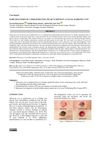 March 2022 in “Folia Medica Indonesiana”
 This case report described a facial hairline tumor initially diagnosed as a sebaceous cyst but ultimately confirmed as a rare Proliferating Pilar Tumor with focal malignancies upon histopathological examination.
 October 2021 in “Acta Scientific Medical Sciences”
 This case report describes an isolated DHEA-S secreting adrenocortical carcinoma in a 52-year-old woman who presented without typical hyperandrogenic symptoms.
 September 2020 in “bioRxiv (Cold Spring Harbor Laboratory)”
 This study found that zebrafish and stickleback fish use similar genetic programs for tooth regeneration, despite differences in their dental structures.
 August 2019 in “Journal of The American Academy of Dermatology”
 This study found that bleach baths using 0.005% hypochlorite directly affected serine protease expression in skin cells and reduced skin pH in patients with atopic dermatitis, suggesting potential therapeutic benefits.
January 2019 in “Durham e-Theses (Durham University)” This study found that JNK plays a dominant role in hair follicle matrix density-dependent proliferation and differentiation, suggesting that collagen bundling affects keratinocyte dynamics.
 January 2018 in “Stem cell biology and regenerative medicine”
 This review discusses the interplay between signaling/transcription factor-mediated and epigenetic mechanisms in skin development and regeneration, highlighting the need for further exploration of epigenome reorganization in these processes.
January 2017 in “대한미용학회지” This study observed that hair follicle cuticular cells undergoing keratinization were significantly thicker than those in a normal hair shaft, due to incomplete loss of cytosol.
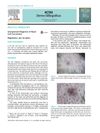 May 2015 in “Actas Dermo-Sifiliográficas”
 A young man was unexpectedly diagnosed with basal cell carcinoma after a scalp examination and confocal microscopy.
 May 2015 in “Journal of the American Academy of Dermatology”
 Certain drugs and supplements may contribute to hair loss in the frontal hairline in older women.
 August 2013 in “Fertility and Sterility”
 This study found that women with PCOS have higher follicular fluid levels of testosterone and IL-6, despite similar NEFA levels to non-PCOS women, suggesting increased lipotoxicity impact on androgenesis in PCOS.
January 2011 in “Zhongguo nongye Kexue” This study successfully established a transgenic sheep fibroblast cell line expressing the spider dragline silk protein gene, laying groundwork for developing transgenic sheep with this capability in hair follicles.

PTHrP is important for bone formation and may be targeted for osteoporosis treatment and longevity therapies.
January 2010 in “China Animal Husbandry & Veterinary Medicine” This study suggests that RORα, RORβ, and RORγ mRNA expression in cashmere goat skin is related to different stages of hair follicle development, indicating a possible role in cycled cashmere growth.
This article reviews the role of the hairless protein in hair cycling and gene regulation, noting the need for further understanding of its JmjC domain and subcellular localization roles.
January 2008 in “OhioLink ETD Center (Ohio Library and Information Network)” This study found evidence of structurally and functionally distinct AR-SARM protein complexes, which may contribute to understanding how SARMs achieve tissue-selective effects.
November 2007 in “Data Archiving and Networked Services (DANS)” This thesis reviews the molecular mechanisms of androgen receptor functions, including receptor structure and interaction with other proteins, and reports no new experimental findings.
August 1989 in “Proceedings ... annual meeting, Electron Microscopy Society of America/Proceedings, annual meeting, Electron Microscopy Society of America” This microscopy study examined the non-keratinous regions of human hair fibers, revealing detailed morphology that could help understand how external influences affect hair structure.