 68 citations
,
January 2022 in “International Journal of Molecular Sciences”
68 citations
,
January 2022 in “International Journal of Molecular Sciences” This review summarizes factors involved in polycystic ovary syndrome pathogenesis and management, highlights commonly prescribed and repurposed medications, and calls for well-designed clinical trials to evaluate these treatments further.
75 citations
,
September 2016 in “EMBO journal” This study found that PRC2 plays a crucial role in maintaining intestinal homeostasis by supporting progenitor cell proliferation and limiting secretory lineage differentiation.
16 citations
,
January 2023 in “Gynecological Endocrinology” In this study, researchers found that unexplained liver damage in PCOS patients may involve iron metabolism and the miR-761-hepcidin/GPX4 axis, suggesting potential therapeutic targets.
43 citations
,
October 2005 in “Molecular and cellular endocrinology” This review discusses how the CRH/POMC systems may regulate human hair follicle pigmentation and highlights the concept of "self-similarity" in melanocortin systems at both local and systemic levels, without presenting new experimental results.
1 citations
,
August 2025 in “Frontiers in Pharmacology” This review discusses advancements in using dissolving microneedle systems for transdermal delivery of traditional Chinese medicine, highlighting potential benefits for simplifying application, enhancing safety, and increasing efficacy, and underscores its possible impact on modernizing traditional medicine practices.
 6 citations
,
May 2023 in “European journal of pharmaceutical sciences”
6 citations
,
May 2023 in “European journal of pharmaceutical sciences” This study found that niosomes significantly enhanced the skin deposition of retinoic acid while reducing its permeation, outperforming other tested nanoformulations.
 25 citations
,
April 2012 in “Acta Biomaterialia”
25 citations
,
April 2012 in “Acta Biomaterialia” This study observed that NSPC predominantly differentiated into neurons when exposed to serum fractions with molecules under 100 kDa, particularly with biomaterial and fibronectin, in the presence of basic fibroblast growth factor.
 July 2026 in “Zenodo (CERN European Organization for Nuclear Research)”
 This review covers the diagnosis, complications, and management strategies for Polycystic Ovarian Disease, reporting no new clinical results and highlighting the potential of personalized medicine.
December 2013 in “Pump Industry Analyst” This study found that using particle-based antigen delivery in combination with cyanoacrylate skin surface stripping is an effective needle-free method for targeting HIV-1 p24 protein to skin cells, enhancing transcutaneous vaccination potential.
 19 citations
,
August 2014 in “Journal of Ethnopharmacology”
19 citations
,
August 2014 in “Journal of Ethnopharmacology” The study created a test that found hormonal and toxic effects in plant and fungal extracts using prostate cancer cells.
8 citations
,
June 2024 in “Pharmaceutics” This study found that using elastic nano-liposomes to deliver palmitoylethanolamide improved its transdermal delivery and enhanced its skincare effects, with minimal cytotoxicity and no allergic reactions observed.
61 citations
,
September 2011 in “Pain” This study observed that N-palmitoylethanolamine (PEA) may relieve pain by enhancing de novo neurosteroid synthesis, evidenced by increased allopregnanolone levels and protein expression in pain models, dependent on PPAR-α.
 13 citations
,
March 2019 in “Medicina Clínica (english Edition)”
13 citations
,
March 2019 in “Medicina Clínica (english Edition)” This paper reviews the complexities of diagnosing and managing polycystic ovary syndrome, emphasizing the importance of individualized treatment to address symptoms due to hyperandrogenism, ovarian dysfunction, and metabolic issues, but reports no new results.
1 citations
,
September 2025 in “International Journal of Molecular Sciences” This study found that primary stem cells from concentrated growth factor can differentiate into adipogenic, endothelial, and neuronal lineages in vitro, suggesting potential for use in regenerative therapies.
 April 2025 in “Biomacromolecules”
 This study developed microneedles loaded with Platycladus orientalis leaf extract to treat androgenic alopecia, finding that they can effectively deliver active ingredients into the dermis, promote hair follicle growth by removing free radicals, and activate the Wnt/β-catenin pathway.
21 citations
,
October 2025 in “Advanced Materials” This study found that a newly created biomimetic microneedle platform effectively expedited wound repair in diabetic animal models by reducing inflammation, enhancing angiogenesis, and promoting skin regeneration through targeted drug delivery and immune response modification.
55 citations
,
August 2024 in “Heliyon” This review article highlights recent progress and challenges in stem cell transplantation for regenerative medicine, emphasizing its potential in tissue repair for conditions like bone and cartilage injuries, neurological disorders, and blood diseases, while stressing the importance of overcoming current obstacles for future advancements.
 January 2026 in “Nanoscale Advances”
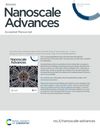
 In this study, a biocompatible zinc oxide nanocomposite loaded with the anticancer drug 9-Br-Nos demonstrated effective drug delivery and cytotoxicity against lung cancer cells in vitro, while also proving non-toxic to healthy cells, suggesting its potential for targeted lung cancer treatment.
This study found that a machine-learning-driven strategy helped develop microneedles with high hardness and rapid dissolution, effectively promoting hair regrowth in androgenetic alopecia mice by activating the Wnt/β-catenin pathway, surpassing minoxidil's effects without biosafety risks.
 150 citations
,
November 2007 in “The Journal of Clinical Endocrinology and Metabolism”
150 citations
,
November 2007 in “The Journal of Clinical Endocrinology and Metabolism” This study determined that nonclassical congenital adrenal hyperplasia has a 2.2% prevalence among hyperandrogenic women in Spain, with basal serum 17-hydroxyprogesterone showing excellent diagnostic performance.
3 citations
,
April 2019 in “Stem cells international” This study found that CRABP1, Nestin, and Ephrin B2 are expressed in both the tumor stroma and invasive front of skin adnexal tumors and basal cell carcinomas.

In this study, researchers found that while most genetic variants analyzed were not associated with PCOS in Polish women, the INSR rs1799817 polymorphism may be linked to acne, a symptom of the disorder.
14 citations
,
May 2008 in “Journal of Visualized Experiments” This article details a protocol for isolating and culturing embryonic neural crest stem cells from the whisker follicles of adult mice.
 145 citations
,
March 2010 in “Fertility and Sterility”
145 citations
,
March 2010 in “Fertility and Sterility” This study reported that ovulatory PCOS is a milder form of the condition compared to classic PCOS phenotypes, which share similar clinical and hormone characteristics.
 2 citations
,
August 2013 in “British Journal of Dermatology”
2 citations
,
August 2013 in “British Journal of Dermatology” This case report observed a dramatic improvement in a 15-year-old girl's pachyonychia congenita symptoms during chemotherapy for Ewing sarcoma, suggesting chemotherapy's potential role in managing hyperkeratotic conditions.
January 2026 in “JCEM Case Reports” This case report presents a rare instance of recurrent ACTH-independent Cushing’s syndrome due to PBMAH, coinciding with the development of a pheochromocytoma, highlighting the need for thorough reevaluation in similar recurring cases.

This article discusses the issues with the name "polycystic ovary syndrome" and proposes a new naming system to better reflect the condition's complex hormonal and metabolic abnormalities.
 4 citations
,
February 2022 in “International Journal of Dermatology”
4 citations
,
February 2022 in “International Journal of Dermatology” This study observed that porocarcinoma exhibited a relatively low rate of local recurrence, nodal metastases, and mortality over a follow-up period exceeding five years.
2 citations
,
January 2025 in “International Journal of Molecular Sciences” This study found that chitosan nanoparticles containing Cordyceps militaris effectively reduced lung damage in mice exposed to fine particulate matter (PM2.5) by decreasing oxidative stress and preserving lung barrier integrity, suggesting potential as a therapeutic candidate for PM2.5-induced lung diseases.
 121 citations
,
April 2008 in “European Journal of Obstetrics & Gynecology and Reproductive Biology”
121 citations
,
April 2008 in “European Journal of Obstetrics & Gynecology and Reproductive Biology” In this study, the prevalence of polycystic ovary syndrome in southern China was found to be 2.2%, with affected women showing distinct metabolic and hormonal characteristics compared to others.