72 citations
,
November 2000 in “Archives of Dermatology” This study found that excision with primary closure is an effective surgical treatment for extensive acne keloidalis nuchae, with good cosmetic results and minimal recurrence observed among patients.
219 citations
,
July 1995 in “PubMed” This study found that recombinant keratinocyte growth factor (rKGF) stimulated hair growth and provided a protective effect against alopecia in murine models, suggesting its role in hair follicle development and regeneration.
 March 2026 in “Zenodo (CERN European Organization for Nuclear Research)”
 This abstract describes a hair treatment series promising complete restoration of hair in cases of baldness and permanent hair removal, supported by theoretical formulations but without clinical result reports.
 30 citations
,
June 2012 in “Current Opinion in Endocrinology, Diabetes and Obesity”
30 citations
,
June 2012 in “Current Opinion in Endocrinology, Diabetes and Obesity” This review discusses the pathophysiology, genetics, and management of nonclassic congenital adrenal hyperplasia, noting subfertility and hormonal issues without providing new clinical results.
 November 2024 in “TẠP CHÍ KHOA HỌC TRƯỜNG ĐẠI HỌC QUỐC TẾ HỒNG BÀNG”
 This study investigated the botanical characteristics and preliminary phytochemical components of Nepenthes kampotiana, revealing its morphological structure, including pitcher-like leaves for trapping prey, and identifying chemical groups such as essential oils, triterpenoids, flavonoids, and tannins.
149 citations
,
July 2000 in “Molecular and Cellular Biology” This study found that MK6a-deficient mice showed delayed reepithelialization after superficial wounding but not after full-thickness skin wounds, suggesting MK6a plays a role in activating follicular keratinocytes post-wounding.
3 citations
,
August 2018 in “Journal of Structural Biology” KAP8.1 protein is crucial for hair structure and interacts with keratin 85.
 February 2025 in “Journal of Investigative Dermatology”
 DMG-Na may help reduce hair loss and improve hair growth, but more research is needed.
This study tested a novel cryo-carboxy dispensing device for treating androgenetic alopecia in six volunteers and found an unexpectedly rapid and positive response, with significant hair regrowth observed by day 90, prompting early conclusion of the trial.
 September 2024 in “Journal of the American Academy of Dermatology”
 This study evaluated microneedling's effect on hair loss, finding a minor reduction in SALT scores for androgenetic alopecia patients, but no significant change for fibrosing or alopecia areata groups. Further skin biopsy analyses are pending to explore other changes beyond SALT scores.
 August 2024 in “Advanced Healthcare Materials”
 In this study, water-soluble recombinant keratins, specifically RK81, were developed and used in microneedles to investigate their effect on hair growth, discovering that more than 40% of the hair follicles responded, demonstrating the potential for hair growth promotion.
 April 2024 in “Dermatovenerologiâ, kosmetologiâ”
 This material provides comprehensive information about actinic keratosis, highlighting its potential outcomes, risk factors, clinical features, diagnosis, and treatment considerations for medical specialists.
This review examines the potential of alpha-ketoglutaric acid as an anti-aging agent and for treating age-related diseases, emphasizing its metabolic, immune, and cosmetic benefits but reports no new clinical trials.
5 citations
,
January 2021 in “Indian Journal of Pharmacology” This case study reports generalized keratosis pilaris as a rare cutaneous side effect of nilotinib in a 40-year-old woman with chronic myeloid leukemia, highlighting the need for awareness among physicians.
26 citations
,
October 1999 in “Archives of Dermatology” This discussion suggests that acquired progressive kinking of hair in androgen-dependent scalp areas may indicate the early stages of androgenetic alopecia with a poor prognosis, but it offers no new clinical findings.
9 citations
,
August 2014 in “The Journal of Korean Medicine Ophthalmology and Otolaryngology and Dermatology” This case study found that pharmacopuncture and needle-embedding therapy improved hair loss and physical condition in a woman with androgenetic alopecia, but further clinical studies are needed.
September 2023 in “Journal of the American Academy of Dermatology” This study found that in participants with notalgia paresthetica, 8 weeks of treatment with difelikefalin significantly improved itch intensity and increased the rate of strict complete response compared to placebo, starting as early as week 3.
This study identified that α-ketobutyrate (α-KB) extends lifespan and improves health markers in Caenorhabditis elegans and aged mice by modulating pyruvate metabolism and activating AMPK pathways, with potential implications for human anti-aging treatments.
 November 2023 in “Cell Proliferation”
 This study found that adipose-derived stem cells with DKK1 knocked out using CRISPR/Cas9 promoted hair growth in an alopecia areata model more effectively than untreated stem cells, suggesting DKK1 is a potential therapeutic target for this condition.
 1 citations
,
June 2018 in “International Journal of Dermatology”
1 citations
,
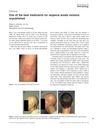
June 2018 in “International Journal of Dermatology” DNCB is highly effective for treating alopecia areata with minimal long-term side effects.
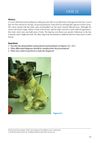 May 2019 in “Small Animal Dermatology”
 This chapter discusses a case of sebaceous adenitis in a Japanese Akita, providing educational material for students and practitioners but reports no new research findings.
 33 citations
,
August 1985 in “Archives of Dermatology”
33 citations
,
August 1985 in “Archives of Dermatology” This study suggests that acquired progressive kinking of hair, which typically appears at or after puberty, may be androgen dependent and could progress to male pattern baldness.
84 citations
,
May 2008 in “Biological Chemistry” This review discusses the roles of human tissue kallikreins in skin physiology and pathology and reports no new findings, emphasizing their potential involvement in various skin functions and conditions.
12 citations
,
May 2010 in “Journal of Clinical Oncology” This study found that MK-5108 is well tolerated at high doses as monotherapy in cancer patients, showing stable disease and some antitumor activity, particularly in combination with docetaxel.
 May 2025 in “Journal of Inflammation Research”
 This study found that NK and CD8+ T cell infiltration may drive inflammation in androgenetic alopecia, suggesting that targeting IL-15 signaling could offer a new therapeutic approach for hair regeneration.
 October 2023 in “Applied materials today”
 In this study, researchers developed a novel TA-encapsulated microneedle applicator that successfully promoted hair growth and reduced inflammation in a C3H/HeJ mouse model of alopecia areata, potentially offering an improved alternative to existing treatments.

In this study, researchers found that NKB placental mRNA expression was higher in women with PCOS, particularly in pregnancies with female offspring, and that NKB expression varied with fetal gender, suggesting a role in PCOS-related placental dysfunction.
 4 citations
,
October 2021 in “Scientific Reports”
4 citations
,
October 2021 in “Scientific Reports” This study found that NKIRAS2 expression affects skin tumor suppression and HRAS-driven transformation in mice, indicating its role in carcinogenesis depends on expression level and cellular context.
14 citations
,
December 2017 in “Journal of Investigative Dermatology Symposium Proceedings” This review discusses unconventional therapies for managing alopecia areata, highlighting antihistamines, cryotherapy, and low-dose naltrexone, but reports no new clinical results and emphasizes the need for further research.
1 citations
,
March 1991 in “PubMed” This case report describes two instances of naevoid bundle hair on the scalp, where multiple hairs group from separate follicles into a single sheath and show abnormal reactivity to keratin antibodies.