3 citations
,
May 2018 in “Psychiatry and Clinical Psychopharmacology” In this report, an 18-year-old female with trichotillomania was successfully treated using the glutamate modulator n-acetylcysteine.
 January 2024 in “Frontiers in Bioengineering and Biotechnology”
 In this mouse study, researchers found that nanoparticles loaded with umbilical cord-derived stem cell membranes and minoxidil enhanced hair growth by improving drug solubility and transdermal delivery, increasing VEGF, IGF-1, MKI67, and CTNNB protein levels in skin tissue compared to regular minoxidil.
 January 2025 in “Lasers in Surgery and Medicine”
 This study found that combining fractional CO2 laser with topical minoxidil 5% solution significantly improved hair growth in alopecia areata patients compared to minoxidil alone, with minimal side effects.
83 citations
,
March 1995 in “PLANT PHYSIOLOGY” This study found that the Nod factor from Rhizobium meliloti, particularly at concentrations of 10-8 and 10-7 M, induced specific membrane depolarization and root-hair deformation in Medicago sativa, depending on the stage of cell differentiation.
2 citations
,
April 2019 in “DOAJ (DOAJ: Directory of Open Access Journals)” This study found that lotion containing ethanolic extract of Phyllanthus niruri and 1% menthol enhanced hair growth in white Wistar rats more than a formula without menthol, although not significantly.
July 2026 in “Biochimica et Biophysica Acta (BBA) - Gene Regulatory Mechanisms” 8 citations
,
February 2022 in “Dermatologic Therapy” This study found that both fractional CO2 laser and cryotherapy were effective and safe treatments for alopecia areata, with the CO2 laser showing somewhat better results.
28 citations
,
August 2013 in “Hypertension” The authors concluded that diazoxide reduces undesirable side effects compared to minoxidil while increasing elastic fiber content and decreasing cell number in the aorta, suggesting potential suitability for treating vascular conditions with low arterial elastin and hypertension.
 8 citations
,
April 2017 in “International Journal of Dermatology”
8 citations
,
April 2017 in “International Journal of Dermatology” This study found that applying 5% topical minoxidil twice daily significantly increased nail growth rate in healthy participants compared to untreated nails, with effects observable from the first week.
28 citations
,
January 2009 in “Cellular & Molecular Biology Letters” This study concluded that finasteride-induced DHT deficiency intensified constitutive iNOS expression in rat testicular and epididymal cells, suggesting a complex regulatory relationship needing further investigation.
 March 2025 in “Scientific Reports”
 This study evaluated a menthol-based microemulsion for transdermal delivery of finasteride and silodosin, finding that it enhanced skin permeation and flux compared to aqueous solutions, suggesting a promising method for managing benign prostatic hyperplasia.
 6 citations
,
January 2016 in “Journal of Clinical and Diagnostic Research”
6 citations
,
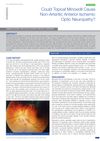
January 2016 in “Journal of Clinical and Diagnostic Research” This case report describes a non-arteritic anterior ischemic optic neuropathy that resolved after discontinuing topical 5% minoxidil treatment.
 9 citations
,
January 2018 in “Plastic and Reconstructive Surgery – Global Open”
9 citations
,
January 2018 in “Plastic and Reconstructive Surgery – Global Open” Using PDRN injections and RF treatments improved revision nose surgery results without major side effects.
 4 citations
,
January 2019 in “Dermatology Online Journal”
4 citations
,
January 2019 in “Dermatology Online Journal” This article discusses the potential of low-dose naltrexone as an adjuvant therapy for trichodynia in alopecias, noting its anti-inflammatory properties and need for further research.
 18 citations
,
January 2007 in “Pharmaceutical Biology”
18 citations
,
January 2007 in “Pharmaceutical Biology” This study found that petroleum ether extracts of Citrullus colocynthis reduced hair growth initiation time and advanced more hair follicles to the anagen phase in albino rats compared to untreated controls and minoxidil.
December 2015 in “OPAL (Open@LaTrobe) (La Trobe University)” This study found that minoxidil sulfate enhanced hair growth in CRF-OE mice, with increased hair growth scores observed at 2 and 4 weeks after treatment.
 9 citations
,
February 2022 in “European Journal of Pharmaceutics and Biopharmaceutics”
9 citations
,
February 2022 in “European Journal of Pharmaceutics and Biopharmaceutics” This study suggests that a nanostructured lipid carrier formulation delivering minoxidil and latanoprost may enhance effectiveness and tolerability in treating alopecia by targeting hair follicles.
March 2026 in “ACS Applied Materials & Interfaces” This study described a novel three-dimensional-printed microneedle system designed for improved transdermal delivery of minoxidil to treat hair loss, demonstrating effective hair regrowth and safety in a mouse model while allowing sustainable needle base recovery.
 60 citations
,
November 2020 in “International Journal of Medical Sciences”
60 citations
,
November 2020 in “International Journal of Medical Sciences” This review highlights the potential of near-infrared light therapy to improve metabolic, antioxidant, and cognitive functions without adverse effects, and supports its use for visual and neurological conditions through molecular and cellular mechanisms, as reported in this source.
February 1978 in “PubMed” This article reviews hair loss associated with oral contraceptive use and suggests that while diffuse effluvium is usually harmless, androgenetic alopecia caused by certain contraceptive types requires a change in medication; no new clinical results are reported.
 19 citations
,
July 2020 in “Journal of drug delivery science and technology”
19 citations
,
July 2020 in “Journal of drug delivery science and technology” This study found that nano-sized minoxidil formulations significantly increased skin penetration and follicular drug delivery for alopecia areata treatment, compared to conventional ethanol-based solutions, and demonstrated effective controlled release over six hours.
 41 citations
,
October 2012 in “Australian and New Zealand Journal of Psychiatry”
41 citations
,
October 2012 in “Australian and New Zealand Journal of Psychiatry” Negative expectations can cause adverse effects in patients even without active treatment, and managing this nocebo effect involves better communication and patient-clinician relationships.
 May 2023 in “International Journal of Trichology”
 In this study, 70% of female androgenetic alopecia patients who did not respond to standard minoxidil experienced clinical improvement after switching to a propylene glycol-free, witch hazel-based 5% minoxidil sulfate solution, with the treatment also being well-tolerated.
January 2026 in “New Journal of Chemistry” This study synthesized calcium citrate nanoparticles to improve the solubility and reduce the irritation of minoxidil solutions for treating androgenetic alopecia.
 February 2024 in “Molecules/Molecules online/Molecules annual”
 In this study, NMN was found to reverse hair follicle atrophy, thinning, and sparsity in mice induced by DHT, and significantly decreased DHT-induced inflammation and oxidative stress in cultured human dermal papilla cells, enhancing hair growth-related markers.
January 2020 in “ScholarWorks (Central Washington University)” This study suggests that NAG-1 overexpression may prevent some metabolic dysfunctions linked to polycystic ovary syndrome in a mouse model.
 May 2019 in “Pakistan Journal of Pharmaceutical Sciences”
 This study investigated the effects of 10600nm CO2 dot laser and Nd: YAG laser on Wistar rats' skin, finding that CO2 laser treatment resulted in higher positive expression of MMP-1 and TIMP-1 compared to Nd: YAG laser, with statistically significant differences noted.
50 citations
,
March 2004 in “Trends in Plant Science” This paper discusses how NADPH oxidase and phospholipase D are important for root hair growth, with reactive oxygen species from NADPH oxidase activating calcium ion channels in root hairs.
34 citations
,
April 1982 in “BMJ” 42 citations
,
August 1972 in “Archives of Disease in Childhood” This study observed that infants exposed to diazoxide in utero exhibited abnormal hair growth and, in some cases, impaired glucose tolerance, particularly those born to diabetic mothers.