 4 citations
,
January 2018 in “Cosmetics”
4 citations
,
January 2018 in “Cosmetics” This review discusses the potential use of spin traps in cosmetic products to limit reactive oxygen species generated by pollution, emphasizing the need for further research due to toxicity and regulatory concerns.
 3 citations
,
May 2018 in “InTech eBooks”
3 citations
,
May 2018 in “InTech eBooks” This review discusses the evaluation of animal models for hair research and regeneration, highlighting their importance and limitations, and calls for improved approaches to advance understanding of human hair diseases.
 2 citations
,
June 2025 in “International Journal of Nanomedicine”
2 citations
,
June 2025 in “International Journal of Nanomedicine” This review examines emerging biomaterial strategies designed to support both neural regeneration and cutaneous wound healing, emphasizing their potential to improve sensory function through mechanisms like axonal regrowth and vascular network formation, while noting the need for standardized assessments and clinically translatable designs.
 2 citations
,
February 2023 in “Research Square (Research Square)”
2 citations
,
February 2023 in “Research Square (Research Square)” In this study, a newly engineered scaffold, PADM-MX-Ag-Si@Dox, demonstrated potential as a multifunctional biomaterial for postoperative melanoma treatment by controlling drug release, enhancing wound healing, and enabling real-time tumor surveillance through temperature, pH, and electrical stimuli.
 2 citations
,
November 2018 in “International Journal of Cosmetic Science”
2 citations
,
November 2018 in “International Journal of Cosmetic Science” This study proposes a simple fluorescence method to evaluate hair damage and protection, suggesting that emissive properties of hair can aid in substantiating cosmetic claims.

This study found that γδ T cells play a role in regulating stromal behavior, influencing the composition and vascularity of fibrotic tissues during the foreign body response.
 1 citations
,
December 2025 in “Scientific Reports”
1 citations
,
December 2025 in “Scientific Reports” In this study, researchers developed a predictive model for the onset of alopecia areata by analyzing six datasets to identify key feature genes and employing various machine learning algorithms, ultimately finding the XGBoost model most effective for clinical application.
 1 citations
,
January 2025 in “BIO Integration”
1 citations
,
January 2025 in “BIO Integration” This review highlights that the combination of ultrasound and microneedles can enhance transdermal drug delivery by using physical and energy-driven mechanisms to improve drug penetration into deeper skin layers, with implications for precision medicine and chronic disease treatments.
 1 citations
,
January 2018 in “Recent clinical techniques, results, and research in wounds”
1 citations
,
January 2018 in “Recent clinical techniques, results, and research in wounds” This review discusses the similarities between wound healing and embryonic development, focusing on signaling pathways and their potential for developing new wound healing strategies, and reports no new clinical results.
 1 citations
,
November 2014 in “Journal of Biomedical Optics”
1 citations
,
November 2014 in “Journal of Biomedical Optics” This study introduced a noninvasive spectroscopy method to assess hair follicle stages in mice by measuring skin diffuse reflectance and melanin dynamics, offering a potential tool for hair regeneration research.
 1 citations
,
January 2026 in “Frontiers in Cell and Developmental Biology”
1 citations
,
January 2026 in “Frontiers in Cell and Developmental Biology” This study reviews the transformative role of artificial intelligence in biomaterial design, highlighting its ability to reduce costs through virtual screening, enhance material performance, and predict biological interactions to advance personalized and precision medicine.
 1 citations
,
October 2025 in “International Journal of Nanomedicine”
1 citations
,
October 2025 in “International Journal of Nanomedicine” This review explores the potential for using exosomes in treating autoimmune skin diseases and promoting skin regeneration, highlighting current applications, delivery methods, and ongoing clinical trials while also identifying challenges and future research directions within dermatology.
 1 citations
,
September 2022 in “Sudan Journal of Medical Sciences”
1 citations
,
September 2022 in “Sudan Journal of Medical Sciences” This molecular docking study reported that danoprevir, remdesivir, and saridegib exhibit stronger binding affinities to the main protease of SARS-CoV-2 than the control, suggesting their potential as inhibitors of the virus's replication process.
 1 citations
,
January 2022 in “Journal of experimental and clinical medicine”
1 citations
,
January 2022 in “Journal of experimental and clinical medicine” This review examines the relationship between glycation, insulin resistance, and PCOS, discussing various treatments and highlighting M. oleifera and S. platensis as potential therapeutic agents, but reports no new clinical results.
 June 2026 in “Frontiers in Cell and Developmental Biology”
 In this study, researchers used single-cell RNA sequencing to map the hair follicle microenvironment in fine-wool sheep, identifying specific cell types and gene expressions that influence wool fiber diameter, with dermal papilla cells playing a significant role in hair follicle development.
 April 2026 in “International Journal of Nanomedicine”
 This review explores quercetin's potential in multifunctional theranostic systems, highlighting its bioactivity and the challenges of improving its clinical application through innovative strategies like nanoencapsulation, while noting that research in this area is underdeveloped.
 March 2026 in “Tissue Engineering and Regenerative Medicine”
 In this review, the authors discuss recent advancements in underwater adhesion technologies, specifically highlighting mussel-inspired catechol-based adhesives, which offer strong underwater bonding through various interfacial interactions and the influence of dopamine-modified polymeric tissue adhesives.
 January 2026 in “Microsystems & Nanoengineering”
 This study analyzed 853 articles to reveal that research on silica-based nanobiomaterials in regenerative medicine has rapidly increased, with distinct regional differences in impact and emerging focus areas in drug delivery and wound healing.
 January 2026 in “Nano-Micro Letters”
 This review discusses the principles, materials, and applications of melt electrowriting-based 4D printing for creating biomimetic scaffolds, but reports no new clinical results; it highlights recent advancements and remaining challenges in the field.
 January 2026 in “International Journal of Applied Pharmaceutics”
 This review discusses the integration of nanoparticles with microneedles to improve drug delivery through enhanced stability, bioavailability, and controlled release, noting ongoing challenges with stability, scalability, and safety.
 January 2026 in “Nanoscale Advances”
 This review provides an overview of microneedle-assisted photomedicine, detailing diagnostic and therapeutic strategies, design principles, and challenges for translating this approach to skin disease management.
 January 2026 in “Journal of Surgery and Research”
 In this study, researchers observed that in a limb ischemia model, vascular transplants preserved for 3 days had better recovery from ischemia-reperfusion injury compared to those preserved for 7 days, with less tissue edema and necrosis.
 November 2025 in “Nanoscale Advances”
 This review highlights the potential of inorganic nanoparticle-based scaffolds as innovative tools for advanced wound care, emphasizing their ability to provide antimicrobial action and regenerative support, while also discussing fabrication strategies and challenges in optimizing their clinical application.
 November 2025 in “Communications Materials”
 This research demonstrated that transforming pomelo peel into expanded sponges and carbonized aerogels can accelerate hemostasis and enhance healing in diabetic wounds while eradicating bacterial biofilms, offering an eco-friendly solution for wound care from agricultural waste.
 September 2025 in “Medical Materials Research”
 This review explores the recent developments and diverse applications of microneedles in drug delivery and diagnostic platforms but reports no new clinical results.
 September 2025 in “Editora Pasteur eBooks”
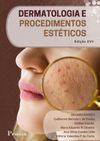
 This abstract discusses the broad scope of dermatology and aesthetic procedures, highlighting their significant multidisciplinary evolution within the health sciences, but it does not report specific study results.
 September 2025 in “Drug Design Development and Therapy”
 This study suggests that while platelet-rich products show promise in treating dermatological conditions like chronic wounds and skin aging, there is still a need for standardized methodologies and extensive trials to confirm their long-term clinical benefits.
This study reviews the pharmacological potential of Bacopa monniera, highlighting its extensive therapeutic effects such as antioxidant, anti-inflammatory, and memory enhancement properties, which are primarily attributed to its diverse bioactive compounds.

This study utilized polarized light microscopy to examine hair shafts in ten children with rare genetic disorders, such as Netherton syndrome and ectodermal dysplasia, providing valuable diagnostic insights into hair thickness, composition, and structural irregularities associated with these conditions.
 January 2025 in “International Journal of Pharmacognosy and Pharmaceutical Research”
 This study found that hydroalcoholic extracts of Bacopa monnieri demonstrated significant antimitotic activity in an Allium cepa model, suggesting potential comparable effects to the standard drug methotrexate.