21 citations
,
January 1999 in “Molecular and Cellular Biochemistry” Niacin deficiency makes rats more sensitive to cancer-causing chemicals.
8 citations
,
April 2018 in “Journal of the European Academy of Dermatology and Venereology” This letter discusses azathioprine-induced alopecia and leukopenia potentially linked to NUDT15 polymorphisms, reporting no new clinical results.
 October 2020 in “System Dynamics Review”
 This study models the pathways of nandrolone and its metabolites in the body and suggests methods to counteract finasteride's role in enabling PED users to cheat drug tests.
September 2023 in “Journal of the American Academy of Dermatology” This study found that in participants with notalgia paresthetica, 8 weeks of treatment with difelikefalin significantly improved itch intensity and increased the rate of strict complete response compared to placebo, starting as early as week 3.
 April 1974 in “Pediatric Research”
 This study found that hair from mice with the Naked trait mutation has significantly lower levels of glycine and tyrosine, suggesting a deficiency in a specific protein fraction.
 April 2018 in “Journal of Investigative Dermatology”
 The study found that, unlike in actinic keratosis and squamous cell carcinoma, basal cell carcinoma tissues showed higher expression of nidogen1 and Col4 in both basement membranes and surrounding stroma compared to normal skin.
 October 2021 in “Journal of Investigative Dermatology”
 This study found that inhibiting DPP4 during a critical period post-wounding increases hair follicle regeneration and Wnt signaling in large skin wounds.
October 2025 in “Indian Journal of Paediatric Dermatology” In this case report, a 6-year-old boy with Netherton syndrome was diagnosed using trichoscopy, which revealed characteristic hair shaft abnormalities such as bamboo, golf tee, and matchstick hairs.
 30 citations
,
June 2016 in “Journal of Human Genetics”
30 citations
,
June 2016 in “Journal of Human Genetics” This study found pathogenic mutations in genes EDA, EDA1R, and EDARADD in 101 out of 124 hypohidrotic ectodermal dysplasia patients, revealing 23 novel mutations and indicating genetic variability.
 March 2005 in “Journal of The American Academy of Dermatology”
 Mycophenolate mofetil improved skin condition in a man with nephrogenic fibrosing dermopathy.
This article reviews the history and characteristics of the rare nude phenotype SCID, primarily distinguished by severe T cell immunodeficiency and notable skin and hair abnormalities, but reports no new clinical findings.
11 citations
,
July 2010 in “European Journal of Dermatology” In this study, researchers confirmed linkage of a form of hair-nail ectodermal dysplasia to chromosome 12 in a Pakistani family, suggesting a possible non-coding mutation in KRTHB5 or a mutation in an unknown gene.
This research found that nod factor can induce root hair reorientation and gene expression in Medicago truncatula with as little as a single molecule, implicating heterotrimeric G-protein signaling in this process.
June 2023 in “bioRxiv (Cold Spring Harbor Laboratory)” In this study, researchers used a reporter mouse model to identify and characterize distinct subtypes of dopaminergic neurons in the gut's enteric nervous system, revealing novel populations with potential implications for understanding their roles and vulnerabilities in disease.
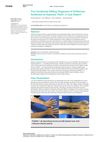
This study presents a rare instance of Netherton syndrome diagnosed incidentally in siblings of consanguineous parents, initially misdiagnosed as other skin conditions, emphasizing the need for careful evaluation in chronic skin cases to prevent misdiagnosis.
July 2024 in “Journal of Investigative Dermatology” This study found that systemic treatment with DS77754007, a KLK5 inhibitor, improved skin symptoms in a mouse model of Netherton Syndrome more effectively than certain antibody treatments, suggesting KLK5 inhibition as a promising therapeutic approach for this condition.
 1 citations
,
October 2021 in “Clinical, Cosmetic and Investigational Dermatology”
1 citations
,
October 2021 in “Clinical, Cosmetic and Investigational Dermatology” In this study on cultured human dermal papilla cells, researchers found that niacinamide may enhance hair growth by reducing oxidative stress-induced cell senescence and delaying catagen entry, suggesting potential applications against hair loss.
This article describes the "naked" mouse mutation, which results in hair loss and is linked to chromosome 15, noting similarities and differences with human ectodermal dysplasia, but provides no new experimental findings.
 July 2022 in “Journal of Investigative Dermatology”
 This study found that Dkk4-knockout mice exhibited disrupted hair follicle patterning, including a lack of the first wave of hair follicles in the lateral back skin.
 April 2023 in “Journal of Investigative Dermatology”
 This study demonstrated that a combination of four types of honey significantly improved hair integrity, porosity, and surface roughness after exposure to UV-A and pollution stress.
1 citations
,
November 2003 in “SKINmed Dermatology for the Clinician” This case report describes a 17-year-old patient diagnosed with Netherton syndrome, characterized by pruritic dry skin, short brittle hair, and elevated IgE levels, treated with antihistamines and emollients.
7 citations
,
January 2020 in “The journal of investigative dermatology/Journal of investigative dermatology” This study shows that NIPP1 deficiency in mouse epidermis leads to hyperproliferation, hair loss, and chronic skin inflammation, which can be partially alleviated by dexamethasone treatment.
75 citations
,
January 2004 in “Molecular and Cellular Biology” In this study, EDA-A2 transgenic mice exhibited multifocal myodegeneration dependent on XEDAR, suggesting a potential role for XEDAR in skeletal muscle homeostasis.
 October 2021 in “Journal of Investigative Dermatology”
 This study reported that Dkk4-knockout mice showed disrupted hair follicle patterning, suggesting a WNT-DKK axis may influence regional specificities in hair follicle induction related to androgenetic alopecia.
March 2026 in “World Rabbit Science” This study found that overexpression and knockdown of DKK4 influence genes involved in hair follicle growth and development in Angora rabbits and identified specific SNPs in DKK4 associated with wool quality, notably showing that the TT/GG haplotype combination relates to higher fibre diameters.
 30 citations
,
June 2014 in “Seminars in Immunology”
30 citations
,
June 2014 in “Seminars in Immunology” This review discusses recent advances in understanding the Eda pathway's role in developmental biology, and highlights ongoing trials and areas for further research, including Eda's potential involvement in cell processes and disease.
 23 citations
,
November 2001 in “Archives of Dermatology”
23 citations
,
November 2001 in “Archives of Dermatology” This review discusses recent advances in the genetic understanding of inherited hair and nail disorders and reports no new clinical results.
3 citations
,
March 2024 in “Journal of the American Academy of Dermatology” Low-dose naltrexone helps improve symptoms and stabilize frontal fibrosing alopecia and lichen planopilaris.
 1 citations
,
January 1970
1 citations
,
January 1970 This review discusses the structure, expression, regulation, and potential functions of the nuclear receptor coactivator NcoA4 in cancerous and non-cancerous pathologies, but reports no new results.
 July 2023 in “International Journal of Molecular Sciences”
 This study found that N,N-dimethylglycine sodium salt promoted proliferation and migration of cultured human epidermal keratinocytes and had anti-inflammatory and antioxidant effects in vitro.