 57 citations
,
March 2024 in “Nano-Micro Letters”
57 citations
,
March 2024 in “Nano-Micro Letters” In this study, researchers created a core-shell nanozyme, CeO2@ZIF-8/Au, which autonomously regulates ROS levels to efficiently eliminate bacteria, reduce inflammation, and promote wound healing by balancing ROS generation and scavenging in response to environmental conditions.
 February 2026 in “Biomedicines”
 This review highlights advancements in nanotechnology-based treatments for androgenetic alopecia, noting that these strategies could improve targeting and modulation of hair follicle environments compared to traditional therapies like minoxidil and finasteride, but also emphasizes challenges around safety, manufacturing, and regulation.
 July 2026 in “Journal of Nanobiotechnology”
 This study describes a multifunctional hydrogel system designed to treat androgenetic alopecia by integrating nanozymes for reactive oxygen species clearance and melanin nano photothermal agents to enhance hair follicle health, suggesting potential for multi-target precision therapy and improved hair growth.

This study developed a directional pressure-pump hydrogel delivery platform that enhances wound healing in diabetic mechanically dynamic wounds by targeting antibacterial agents and nanozymes directly to the lesion site, disrupting biofilms, mitigating tissue damage, and supporting proper skin closure and vascular remodeling in animal models.
 January 2024 in “Pharmacy information”
 New treatments using stem cells and other methods show promise for promoting hair growth in androgenetic alopecia.
48 citations
,
February 2025 in “Advanced Materials” This study found that a glucose-activated hydrogel significantly improved chronic diabetic wound healing by regulating blood glucose and enhancing the wound microenvironment, achieving a threefold increase in recovery rate compared to commercial dressings.
 April 2026 in “Journal of Pharmaceutical Investigation”
 This review discusses recent advancements in nanotechnology for treating hypertrophic scarring and atopic dermatitis, highlighting the potential of nanotherapeutic platforms in enhancing therapeutic effects by modulating the skin's microenvironment.
January 2026 in “Materials Today Bio” This study demonstrated that a multifunctional hydrogel containing Prussian blue nanozymes and an ultrasound-responsive nitric oxide donor improved healing in diabetic wounds by reducing oxidative stress, promoting angiogenesis, and enhancing tissue repair in animal models.
April 2025 in “OPAL (Open@LaTrobe) (La Trobe University)” This study developed a dissolvable microneedle system loaded with nanozymes and minoxidil that enhanced hair regeneration in androgenetic alopecia mouse models by improving blood flow, reducing reactive oxygen species, and increasing cell proliferation compared to minoxidil alone.
March 2026 in “ACS Applied Materials & Interfaces” This study introduced an innovative nanozyme system called MCP@G, which was shown to improve diabetic wound healing in rats by alleviating mitochondrial oxidative stress, enhancing fibroblast migration, and promoting blood vessel and hair follicle regeneration, offering a promising approach for treating challenging diabetic wounds.
2 citations
,
June 2024 in “Advanced Healthcare Materials” In this study, researchers highlighted the integration of computational technology with nanozyme research, enabling atomic-level kinetic analysis and improved design and synthesis of nanozymes, while enhancing detection methods through automated, accurate, and reproducible analyses.
 March 2025 in “Journal of Controlled Release”
 This study found that a biocomposite microneedle system, which includes selenium nanozyme and hypoxic extracellular vesicles, enhanced hair density and follicle diameter in androgenetic alopecia mice by fighting inflammation, promoting blood vessel growth, reducing reactive oxygen species, and counteracting androgen effects.
August 2026 in “ChemRxiv” This review explores the convergence of functional biomaterials, biosensing, and AI technologies in bioengineering, highlighting applications in cancer modeling and regenerative medicine, while addressing challenges like biofouling and dataset integration.
 January 2024 in “Journal of chemical health risks”
 In this study, gold nanoparticles-embedded ceria nanoparticles with enhanced antioxidant activities effectively reduced inflammation and colon injury in a colitis mouse model, suggesting their potential as a nano-therapeutic for inflammatory bowel disease.
1 citations
,
July 2025 in “Advanced Materials” This study reports on a zinc-coordinated tri-enzyme nanogel system (Zn@nGSC) that mimics natural enzymatic processes to enhance enzymatic activity and cascade efficiency, showing potential in wound healing, hyperglycemia treatment, and antibacterial effects in a murine model of post-pancreatectomy.
November 2025 in “ACS Nano” This study reported the development of a pH-responsive microreactor that effectively targets infections by eradicating over 99.9% of MRSA and reprogramming the immune response to promote healing, achieving complete infection clearance and tissue regeneration in a 7-day period.
 67 citations
,
January 2022 in “Theranostics”
67 citations
,
January 2022 in “Theranostics” This review highlights how advanced nanocarrier and microneedle-based transdermal drug delivery strategies can potentially improve the treatment of skin diseases by enhancing site-specific drug delivery, increasing skin penetration, and reducing systemic toxicity compared to conventional methods.
 48 citations
,
February 2025 in “Nano-Micro Letters”
48 citations
,
February 2025 in “Nano-Micro Letters” This review summarizes the application of microneedles in treating various skin diseases and highlights challenges like low drug loading, noting no new clinical results are reported.
 41 citations
,
October 2024 in “Nature Communications”
41 citations
,
October 2024 in “Nature Communications” In this study, researchers developed a wearable red and blue LED patch and a sprayable fibrin gel to treat infected wounds at home, demonstrating effective infection control and enhanced wound healing in diabetic mice and minipigs.
 37 citations
,
December 2024 in “Theranostics”
37 citations
,
December 2024 in “Theranostics” In this study, a newly developed nanoparticle-loaded hydrogel wound dressing demonstrated significant antibacterial, antioxidant, anti-inflammatory, and proangiogenic activities, effectively reducing pain and promoting healing in a murine burn wound model while preventing infection by *Staphylococcus aureus*.
 21 citations
,
November 2020 in “Chemical Engineering Journal”
21 citations
,
November 2020 in “Chemical Engineering Journal” In this study, an injectable hydrogel incorporating antibacterial agents was shown to effectively heal wounds and promote hair follicle and capillary regeneration, offering a promising approach for skin tissue engineering.
 16 citations
,
January 2023 in “Molecular Biomedicine”
16 citations
,
January 2023 in “Molecular Biomedicine” This study demonstrated that customized microneedle arrays can precisely induce targeted hair regeneration and improve hair quality in mice, potentially offering a personalized treatment approach for hair loss.
 12 citations
,
April 2025 in “Discover Pharmaceutical Sciences”
12 citations
,
April 2025 in “Discover Pharmaceutical Sciences” This review examines microneedle patches for drug delivery, detailing their designs, materials, manufacturing methods, and potential advantages, but reports no new clinical results.
 9 citations
,
August 2024 in “Tissue Engineering and Regenerative Medicine”
9 citations
,
August 2024 in “Tissue Engineering and Regenerative Medicine” In this study, researchers suggest that strategic early intervention during fetal wound healing could lead to significantly improved long-term skin regeneration outcomes.
 5 citations
,
October 2025 in “International Journal of Nanomedicine”
5 citations
,
October 2025 in “International Journal of Nanomedicine” This review discusses the role of traditional Chinese medicine and bioactive materials in chronic wound healing and reports no new clinical results.
 5 citations
,
February 2024 in “Frontiers in bioengineering and biotechnology”
5 citations
,
February 2024 in “Frontiers in bioengineering and biotechnology” This research review outlines the challenges of diabetic wounds, such as diabetic foot ulcers, and examines the potential of electrospinning nanofiber scaffolds to improve healing by promoting tissue formation, allowing drug release, and enhancing specific wound healing properties.
 2 citations
,
January 2024 in “Pakistan Veterinary Journal”
2 citations
,
January 2024 in “Pakistan Veterinary Journal” This review highlights the potential of hydrogels in veterinary medicine, emphasizing their advantages over traditional wound dressings and their promising applications in drug delivery and tissue engineering, despite currently limited use in this field.
 1 citations
,
October 2025 in “Nano Research”
1 citations
,
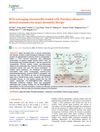
October 2025 in “Nano Research” In this study, researchers developed a dissolvable microneedle patch combining HA-TEMPO and Portulaca oleracea L.-derived nanoparticles, which effectively reduced oxidative stress and inflammation in an atopic dermatitis model while restoring immune balance, suggesting a promising treatment strategy.
 July 2026 in “International Journal of Drug Delivery Technology”
 This review highlights novel drug delivery systems for alopecia that enhance localization in the pilosebaceous unit, reduce systemic exposure, and support sustained drug release, with a focus on optimized follicular carriers ranging from 100-300 nm for improved drug residence compared to conventional methods.
 June 2026 in “International Journal of Drug Delivery Technology”
 In this review, researchers discussed various novel drug delivery systems, including lipid nanocarriers and polymeric nanoparticles, that may enhance treatment for alopecia by improving drug localization in hair follicles and reducing systemic exposure, potentially offering better outcomes than conventional treatments.