37 citations
,
February 2005 in “Journal of Investigative Dermatology” This research suggests that defects in keratinocyte differentiation due to putrescine accumulation in SSAT transgenic mice lead to skin changes and hair loss, and reducing putrescine can promote hair regrowth.
59 citations
,
July 2023 in “PLoS ONE” This study reveals a high prevalence of multiple sclerosis in Africa, indicating an epidemiological shift in the region and underscoring the need for early prevention and treatment strategies.
 November 2022 in “CARDIOMETRY”
 This article discusses the potential benefits of GcMAF and oral MAF, developed by "Saisei Mirai", for cancer and other conditions, but reports no new clinical results.
 1 citations
,
April 2022 in “Rheumatology”
1 citations
,
April 2022 in “Rheumatology” This case study describes a 4-year-old boy with juvenile dermatomyositis whose severe subcutaneous edema resisted conventional treatment, necessitating aggressive immunosuppression for disease control.
 29 citations
,
December 2017 in “Molecular therapy”
29 citations
,
December 2017 in “Molecular therapy” This study found that enzyme replacement therapy in mice with a severe form of classical homocystinuria improved metabolic patterns and alleviated many clinical symptoms.
1 citations
,
January 2025 in “Regenerative Biomaterials” In this study, researchers found that exosomes derived from Pinctada martensii mucus can effectively inhibit melanin production in melanoma cells and zebrafish without adverse effects, potentially offering a promising therapeutic strategy for treating pigmentary disorders by modulating the NF-κB signaling pathway.
April 2025 in “Molecular Biology Reports” In this study, researchers found that DNMT1-mediated methylation of SRD5A2 in urethral epithelial cells from hypospadias-afflicted rats upregulates proteins associated with cell cycle and mitochondrial function, suggesting SRD5A2 as a potential therapeutic target for hypospadias due to its role in modulating cellular functions.
 September 2024 in “Health of Man”
 This study reports that hyperuricemia, the second most common metabolic disease after diabetes, is linked to numerous health issues, especially in males, and recommends lifestyle modifications as an effective management strategy, highlighting the lack of consensus on uric acid thresholds necessitating drug therapy.
14 citations
,
March 2014 in “Experimental and Molecular Pathology” This study found that sulfur mustard affects hair follicles and sebaceous glands in the skin by causing cellular damage, inflammation, and disrupting wound healing processes in hairless mice.
32 citations
,
September 2003 in “European journal of oral sciences” This study found that individuals with ectodermal dysplasias often have a reduced secretion rate of submandibular saliva and altered protein concentrations, suggesting routine salivary tests may be beneficial in this population.
 2 citations
,
September 2022
2 citations
,
September 2022 In this study, researchers found that a PER3 gene SNP may be pathogenic for a new subtype of dyschromatosis universalis hereditaria, especially when combined with a SASH1 mutation.
44 citations
,
September 2011 in “Journal of Pediatric Gastroenterology and Nutrition” This study reported four new cases of NISCH syndrome in a Moroccan family, confirming genetic variability in liver disease severity and suggesting potential benefits from early UDCA therapy.
 11 citations
,
May 2010 in “Journal of the South African Veterinary Association”
11 citations
,
May 2010 in “Journal of the South African Veterinary Association” This case report describes how a treatment with mycophenolate mofetil and prednisone may be effective in managing autoimmune subepidermal blistering dermatosis in dogs while allowing for steroid reduction.
 2 citations
,
March 2015 in “Dermatologic Therapy”
2 citations
,
March 2015 in “Dermatologic Therapy” Using too much minoxidil foam can cause a rare movement disorder with facial twitching, but symptoms go away when the correct dose is used.
February 2026 in “UiTM Institutional Repositories (Universiti Teknologi MARA)” This study found that cis-urocanic acid can engage in non-enzymatic reactions with reactive sulphur species, forming new metabolites, and suggests sulphide donors may protect against UVB-related toxicity.
2 citations
,
June 2017 in “Journal of Evidence Based Medicine and Healthcare” This study found diverse clinical presentations in patients with newly detected connective tissue disease, highlighting the diagnostic and prognostic importance of cutaneous features.
 45 citations
,
August 2011 in “Journal of Microencapsulation”
45 citations
,
August 2011 in “Journal of Microencapsulation” This study found that chitosan microparticles containing minoxidil sulphate sustained its release and may hold potential for targeted topical treatment of alopecia.
8 citations
,
April 2018 in “Journal of the European Academy of Dermatology and Venereology” This letter discusses azathioprine-induced alopecia and leukopenia potentially linked to NUDT15 polymorphisms, reporting no new clinical results.
 39 citations
,
November 1987 in “Clinica Chimica Acta”
39 citations
,
November 1987 in “Clinica Chimica Acta” Human platelets change minoxidil to minoxidil sulfate, helping blood vessels widen.
30 citations
,
October 2010 in “Biochemical and biophysical research communications” This study found that the Gsdma3 gene is necessary for normal hair follicle differentiation in mice, with its mutation leading to progressive hair loss and defects in hair structure.
6 citations
,
October 2011 in “ISRN Ophthalmology” This study found that increased serum testosterone and dehydroepiandrosterone sulphate levels may serve as diagnostic markers for seborrheic meibomian gland dysfunction in both genders.
 November 2023 in “Journal of plant nutrition and soil science”
 This study observed that maize plants, including a root hairless mutant variety, did not exhibit typical root growth or compensatory foraging behavior under severe boron deficiency in soil, indicating atypical responses compared to other plants.
December 2024 in “Pediatrics in Review” This case report concluded that undiagnosed Menkes disease, an X-linked disorder causing copper deficiency, contributed to a 7-month-old's illness and death, complicating his presentation with viral septic shock and methamphetamine exposure.
49 citations
,
July 1994 in “British journal of dermatology/British journal of dermatology, Supplement” This study observed that 13 out of 38 children with methylmalonic and propionic acidaemia exhibited specific cutaneous manifestations, suggesting these conditions may include skin symptoms more often than previously thought.
 39 citations
,
November 2015 in “Nanomedicine”
39 citations
,
November 2015 in “Nanomedicine” This study found that the developed Finasteride-loaded SMEDDS improved the relative bioavailability of the drug compared to a commercial tablet, offering a promising oral delivery system for glucosteroid analogs.
June 2022 in “Annals of Indian Academy of Neurology” This case report describes a rare association where herpes zoster infection may have triggered the first attack of NMOSD with systemic vasculitis in a patient, suggesting potential overlaps in immunopathogenesis.
 5 citations
,
December 2016 in “Journal of skin and stem cell”
5 citations
,
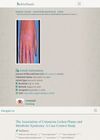
December 2016 in “Journal of skin and stem cell” This study found that patients with cutaneous lichen planus had a higher risk of metabolic syndrome, dyslipidemia, diabetes mellitus, and hypertension compared to controls.
 1 citations
,
September 2024 in “Acta Scientiarum Polonorum Hortorum Cultus”
1 citations
,
September 2024 in “Acta Scientiarum Polonorum Hortorum Cultus” This study found that spraying melon plants with 0.1 mg·L–1 molybdenum significantly improved growth, photosynthetic characteristics, carbohydrate metabolism, and fruit quality under high-temperature stress, boosting fruit weight by 27.9% and yield per plant by 20.1% compared to untreated controls.
3 citations
,
January 2021 in “Oxidative Medicine and Cellular Longevity” In this study, Nrf-2-expressing hair follicle mesenchymal stem cells showed the most significant therapeutic effect in a rat model of ulcerative colitis, suggesting a new potential treatment for the disease.
16 citations
,
June 1992 in “PubMed” In this case report, high-dose intravenous methylprednisone followed by oral prednisolone improved painful muscle cramps in a young man unresponsive to other treatments, suggesting an autoimmune mechanism may be involved.